The 50-year learning opportunity: a look at the legacy of Mossom Creek Hatchery
It would be a tremendous learning opportunity.
Driving along Ioco Road to his job at Centennial Secondary, teacher Rod MacVicar recalled the moment his mind drifted to the barren stream winding through the woods toward the inlet.
What if they could form a school club dedicated to the waterway’s rehabilitation? What if salmon could remember and return to that stream? What if they could bring life to a lifeless creek?
Local news that matters to you
No one covers the Tri-Cities like we do. But we need your help to keep our community journalism sustainable.
If they could, it would be a tremendous learning opportunity.
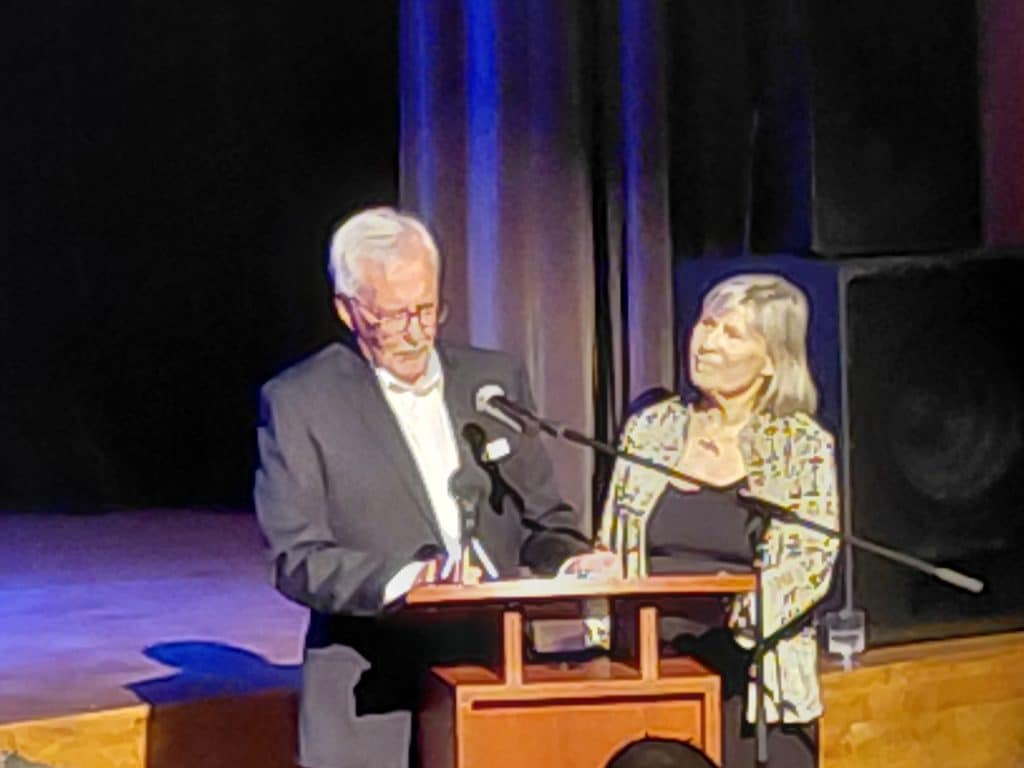
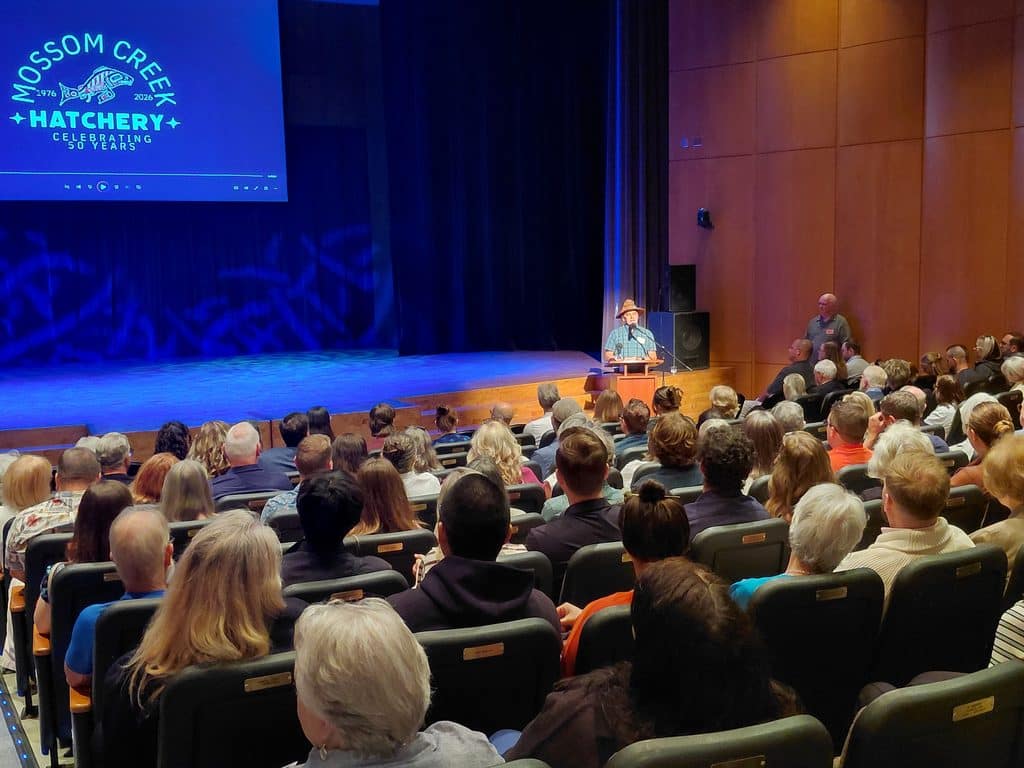
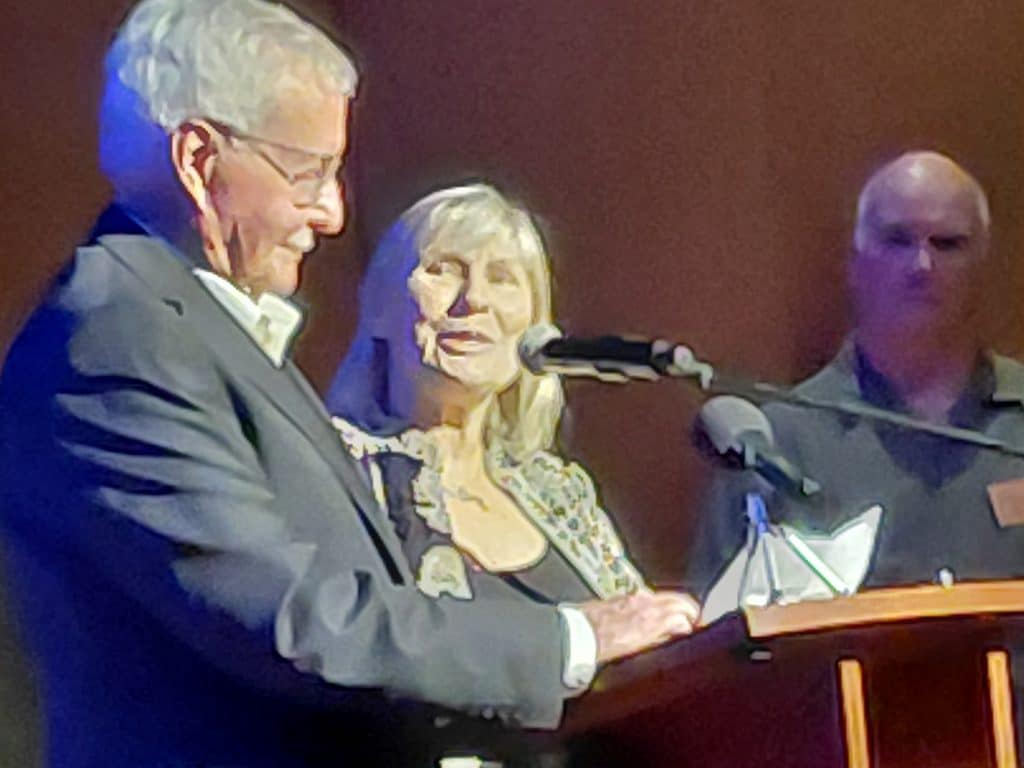
A half-century after that historic commute, MacVicar and fellow teacher Ruth Foster were lauded Saturday evening at Inlet Theatre for the founding of the Mossom Creek Hatchery and Education Centre.
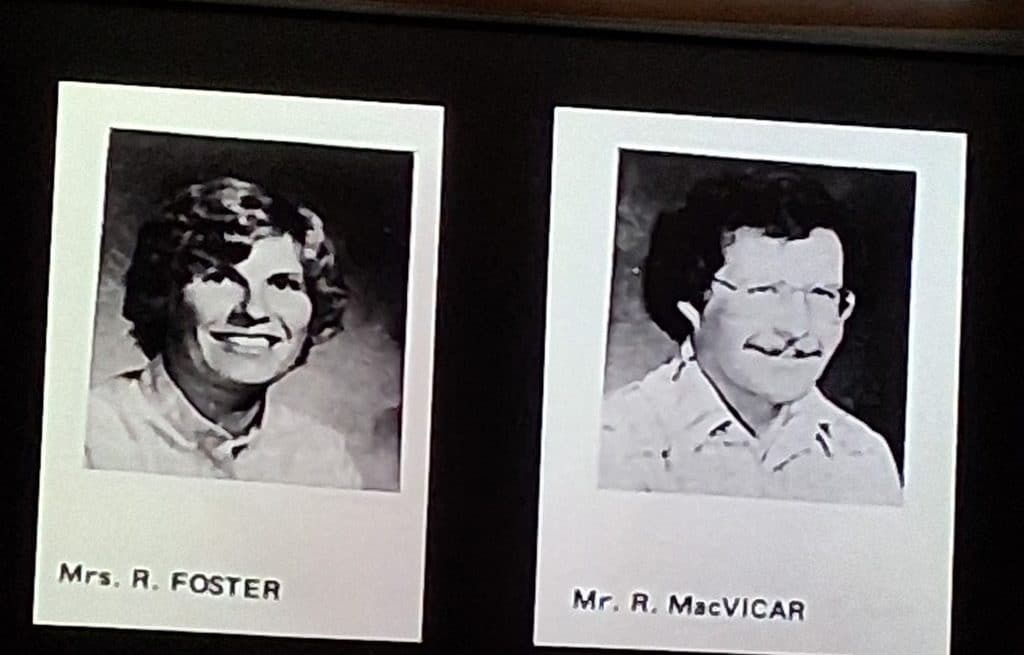
“It all started with two people 50 years ago: Rod and Ruth,” said environmentalist and former MLA Fin Donnelly. “They are extraordinary individuals, inextricably linked.”
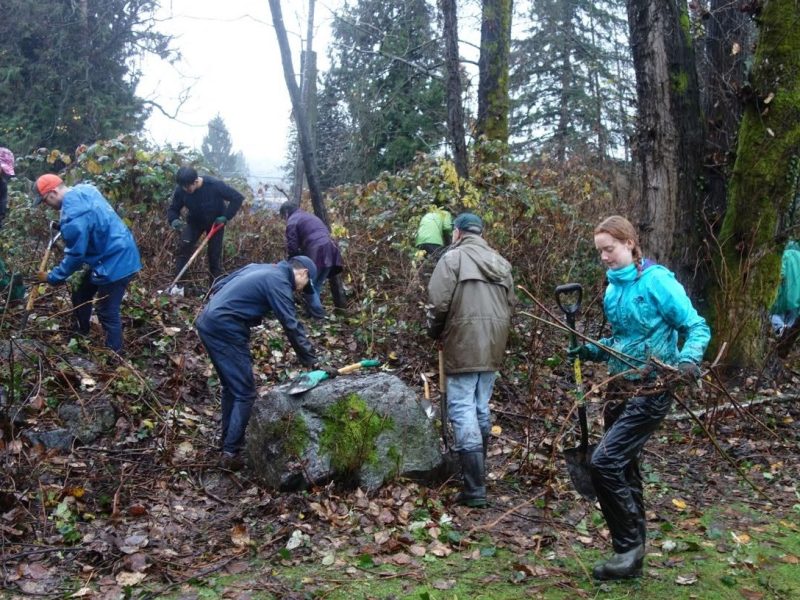
The story of Mossom Creek Hatchery is about students, volunteers, environmentalists, river rats, and practical visionaries who managed to hold onto their dreams even when hip-deep in cold water.
During a slideshow that recounted much of the Mossom story, Foster recalled early volunteers using kitchen strainers to scoop up chum fry before taking them to a sea pen so the fish could get used to saltwater, a practice that boosted the survival rate significantly.
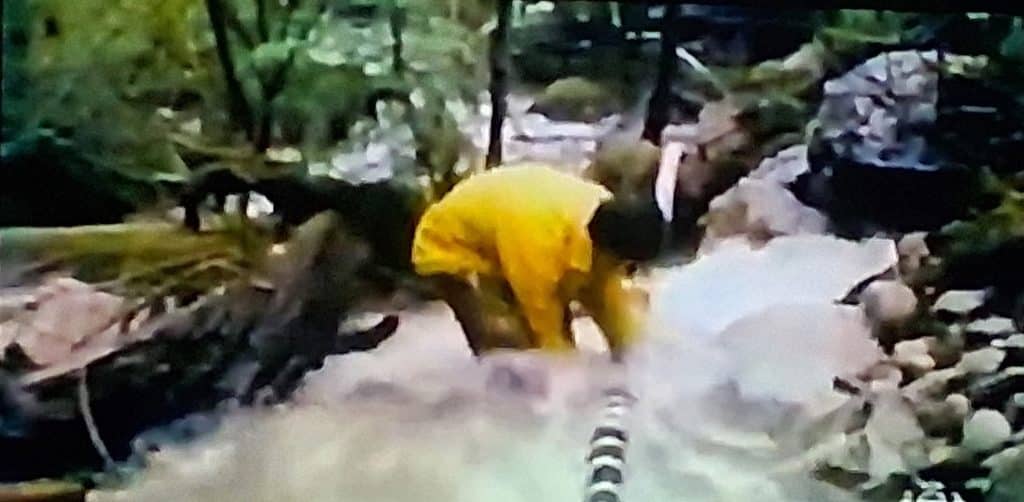
There were also the students who worked long hours doing construction work, “without the safety precautions that would be mandatory today,” she noted.
Foster recalled an early setback when mud and debris from a development site rolled into the creek. The incident turned into a legal battle that involved both Centennial teachers and student volunteers being served subpoenas.
The school principal wasn’t pleased, Foster noted. She differed.
“We saw this subpoena delivery as a terrific learning opportunity,” she said.
They lost the case due to a lack of evidence but the Centennial secondary streamkeepers persevered and kept on seizing each learning opportunity, whether it involved a field trip to Vancouver Island or the bones of a whale.
After getting a word of a dying orca near Powell River, MacVicar said he immediately thought the skeleton of the northern resident would be an amazing teaching tool.
“This was really worth preserving because . . . it was one of the orcas known where they knew the date of birth,” he said.
However, the preservation effort was soon jeopardized when the whale’s bones turned rancid.
To keep the bones out of smelling range, MacVicar put the skeleton on the roof of the sea pen shed where it would be in the sunlight and the path of an ocean breeze.
His plan went swimmingly until a key piece went missing.
“My skull was gone,” MacVicar recalled.
He began an investigation, his suspicion settling on, “a rather notorious motorcycle group.”
After jotting down licence plate numbers, he decided to ask the motorcyclists for information while offering some misinformation of his own.
The whale died of a disease that was incredibly toxic, he told them, apologizing for forgetting to put a biohazard label on the bones.
MacVicar handed out his phone number and sure enough, he got a call from the new owner of the skull who, quite coincidentally had recently developed a severe rash.
How far would MacVicar go for science? Would he meet this skull thief, pretend to be a medical professional, and examine the man’s rash before advising him to consult a doctor?
“I got the skull back,” MacVicar said. The skull is in the fisheries building at UBC today, he added.
The memories on display Saturday are just a fraction of Mossom’s legacy.
“There’s so many that I couldn’t fit in there,” Foster said.
Port Moody Mayor Meghan Lahti emphasized the hatchery’s impact.
“Every student who learns here, every volunteer who contributes their time, and every salmon that returns to these waters is part of that legacy,” she said.
The hatchery was recognized by Fisheries and Oceans Canada at the event for their work and commitment to education.
Burrard Inlet Marine Enhancement Society president Kevin Ryan also surprised Foster and MacVicar with a scholarship honouring the duo and longtime volunteer Brian Henke.
BIMES established a $2,000 annual post-secondary scholarship for one or two Mossom volunteers as the Brian Henke Scholarship and Foster/MacVicar Environmental Award.
It should create even more learning opportunities.
Author