Port Moody looks to combat invasive species with new strategy
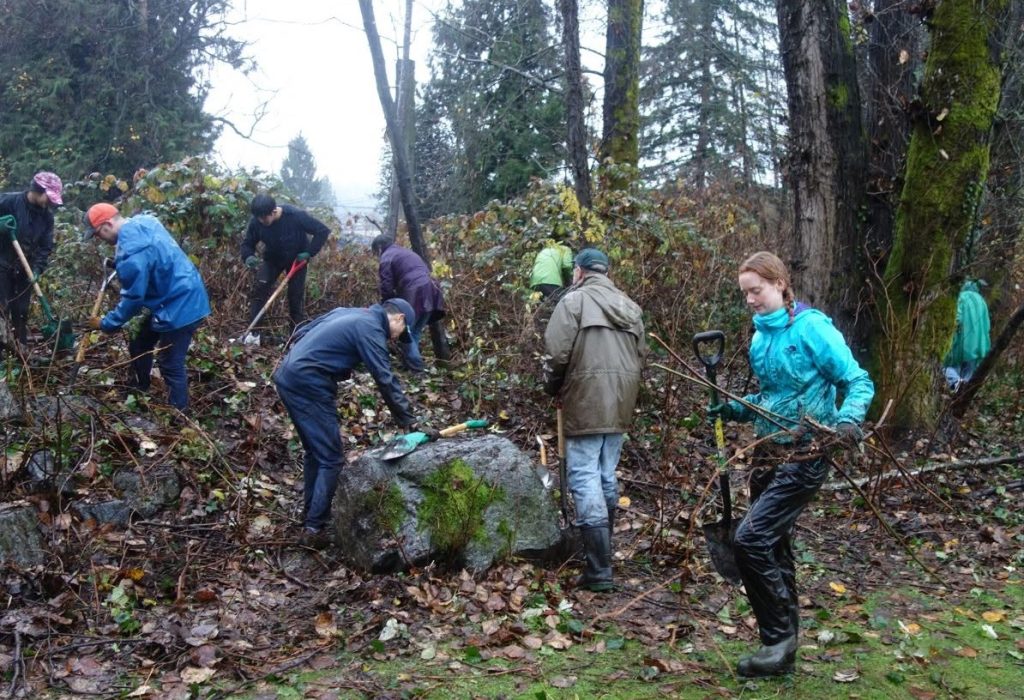
Port Moody is hoping to root out invasive species before they take over.
On June 17, council got their first look at a draft of its new Invasive Species Management Strategy, which outlines a long-term framework for preventing, detecting, controlling and monitoring invasive species on city-managed lands.
Coun. Kyla Knowles said the issue often goes unnoticed by the public despite the significant work happening behind the scenes.
Local news that matters to you
No one covers the Tri-Cities like we do. But we need your help to keep our community journalism sustainable.
“I received an email from a resident of Coquitlam . . . saying that as she drives past Port Moody every day, she’s brokenhearted by all the invasive ivy climbing all over the trees,” Knowles said. “You almost get so used to seeing it that you think it’s normal . . . not everybody knows that it’s not normal. It’s the kind of thing that once you see it, you can’t unsee it.”
Invasive species are considered the second-largest global threat to biodiversity after habitat loss and are responsible for an estimated $580 billion in annual economic damages worldwide, according data cited in the draft.
Climate change is expected to worsen the problem through warmer winters, longer growing seasons and more extreme weather events that favour the establishment and spread of invasive species.
The strategy takes a more coordinated approach to tackling invasive plants and pests, aiming to better protect the city’s forests, parks, streams and other natural areas from the growing threat.
It builds on the city’s existing invasive species program, but responds to mounting pressures from climate change, urban development and the continued spread of invasive plants and insects across Metro Vancouver.
Among its priorities are strengthening bylaws and development requirements, improving early detection and rapid response, expanding public education, increasing staff training across departments, improving data collection, and working more closely with First Nations, community stewardship groups and regional partners.
It includes 21 recommended actions organized around three goals: preventing and managing invasive species, engaging the community, and creating a sustainable long-term management program.
Knowles praised staff for bringing forward the strategy, saying invasive species management deserves more public attention.
“This is the kind of work that gets done in the background and people don’t always appreciate it,” she said. “I think this is a great evolution for us. It’s really showing how dynamic we need to be in response to these things.
“Every little bit helps. This is something that doesn’t get enough shine in the work that cities do.”
Coun. Amy Lubik echoed that support, pointing to the many volunteers already dedicating their time to removing invasive plants throughout the community.
“There’s a couple in Port Moody that go out into the woods every day and pull out ivy, and that’s what they do as an activity,” she said. “We have so many community members who are so passionate about this, and then at the same time it may not be on top of everyone’s minds how important an issue invasive species are.”
Lubik said she remembered learning about the impacts invasive species can have on municipal infrastructure while serving on the city’s environmental protection committee.
“I kind of started learning about the havoc that invasive species can play on our infrastructure – I was kind of beside myself, and then afraid of plants for a little while,” she said, jokingly.
Lubik welcomed recommendations for increased public education and cross-departmental staff training, saying it would help ensure employees across the organization understand the role they can play in limiting the spread of invasive species.
She asked whether the city could involve residents more directly through citizen science initiatives to help identify and track invasive species.
Staff said several options are being considered, including invasive species-focused BioBlitz events, a public reporting tool on the city’s website similar to those used by neighbouring municipalities, and updated inventory systems that would allow reports from residents to be tracked more efficiently.
That information would help the city identify emerging infestations earlier and better target management efforts.
The strategy notes that Port Moody currently identifies 11 invasive plant species as high priorities and treated 267 knotweed sites in 2025 alone. It also maintains watch lists for 14 invasive plants and five invasive insects, including high-risk species such as the emerald ash borer and Japanese beetle, which have not yet been confirmed in the city but could have significant ecological and operational impacts if they arrive.
Staff told council that endorsing the strategy does not commit the city to immediate new spending. Instead, implementation will be phased over time, with future funding requests considered through the city’s annual capital and operating budget processes.
Author