Burrard Thermal may be moved; Coquitlam substation to get 50% energy boost
There’s electricity in the air.
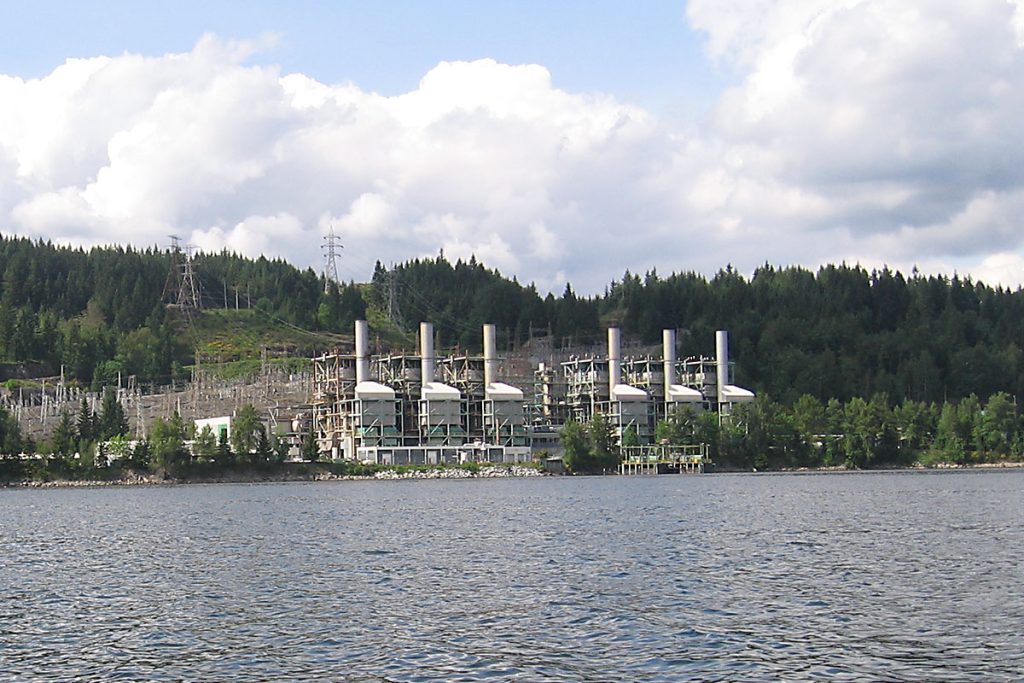
The Tri-Cities is set to get a $360-million electrical upgrade over the next 10 years, as BC Hydro unveiled plans improve Barnard substation and to relocate Port Moody’s Burrard Synchronous Condenser station, formerly known as Burrard Thermal.
The 62-year-old facility, which currently provides voltage stability, is reaching end-of-life and will need to be replaced, according to BC Hydro.
Local news that matters to you
No one covers the Tri-Cities like we do. But we need your help to keep our community journalism sustainable.
“Alternatives are being examined that will allow us to add equipment to existing substations in Coquitlam and Surrey, so we can decommission the transmission switchyard located at the Burrard site,” wrote B.C. Hydro media relations officer Saudamini Raina.
BC Hydro is planning to include the project in an application to the BC Utilities Commission in 2026.
“If approved, we anticipate construction on the control building to start in 2028,” Raina stated.
Located on a 199-acre property, the station was shut down in 2016 in an effort to lower electricity rates. The closure also resulted in Port Moody losing about $1.2 million in taxes each year – approximately four percent of the city’s tax base.
In 2024, BC Hydro initiated plans to dismantle the station.
Discussing the station in 2020, then-Energy Minister Bruce Ralston suggested the site could be a good fit for solar or other clean energy, noting its position on the water in an area zoned for industrial use.
BC Hydro’s 10-year-plan also includes improvements to Barnard Substation.
The station takes high-voltage electricity and converts it for approximately 50,000 customers between Mariner Way in Coquitlam and Lake City Way in Burnaby, including Burquitlam and Coquitlam City Centre, according to B.C. Hydro.
The station was built in the 1950s and, with the population expected to spike, the station will need new transformers and other equipment, Raina explained.
The two-year upgrade project – tentatively scheduled to begin in 2026 – should increase capacity by about 50 percent or between 18,000 to 30,000 new homes. As the project is still being fine-tuned, there could be changes to the cost and timeline, Raina added.
B.C. Hydro is planning for the population of the Tri-Cities to increase to almost 400,000 by 2050. Besides population growth, BC Hydro is also preparing for increased electrification needs as more residents cut down on their use of fossil fuels.
With concerns over dam safety and reliability, the Buntzen Lake generating facilities are earmarked for seismic upgrades with construction starting in the spring/summer of 2025.
“However, this work is still in the very early development stage, and more details are unavailable,” Raina told the Dispatch.
“We must build out B.C.’s electrical system like never before to power our homes and businesses, to power a growing economy and to power our future,” stated Josie Osborne, Minister of Energy, Mines and Low Carbon Innovation, in a press release. “These construction projects will create thousands of good jobs over the next decade and ensure that people have access to clean, affordable and reliable electricity when they need it and where they need it.”
In total, the Crown corporation’s 10-year, $36 billion province-wide infrastructure plan is expected to support between10,500 to 12,500 jobs annually, according to BC Hydro.
Author