Port Moody joins regional call for long-term flood protection funding
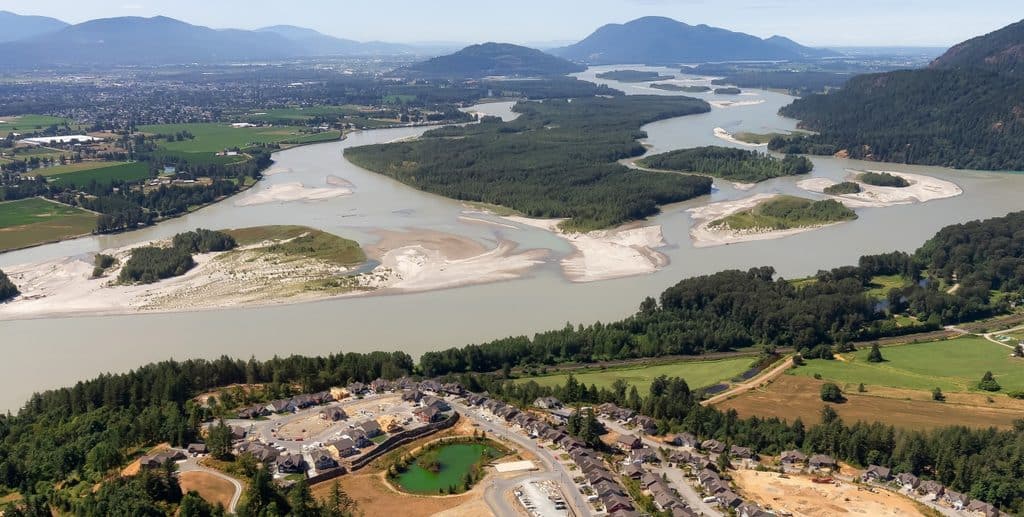
Port Moody council has unanimously endorsed a regional push for greater provincial and federal investment in flood protection, joining a growing coalition of Lower Mainland communities calling for coordinated action to protect residents, infrastructure and salmon habitats.
At its Nov. 10 meeting, council voted to support a joint statement on floodplain resilience in the Lower Mainland, following a presentation from the Lower Fraser Floodplains Coalition.
The statement calls on senior governments to establish a sustained, long-term funding program to address escalating flood risks across the region, replacing the current patchwork of individual projects and competitive grants.
Local news that matters to you
No one covers the Tri-Cities like we do. But we need your help to keep our community journalism sustainable.
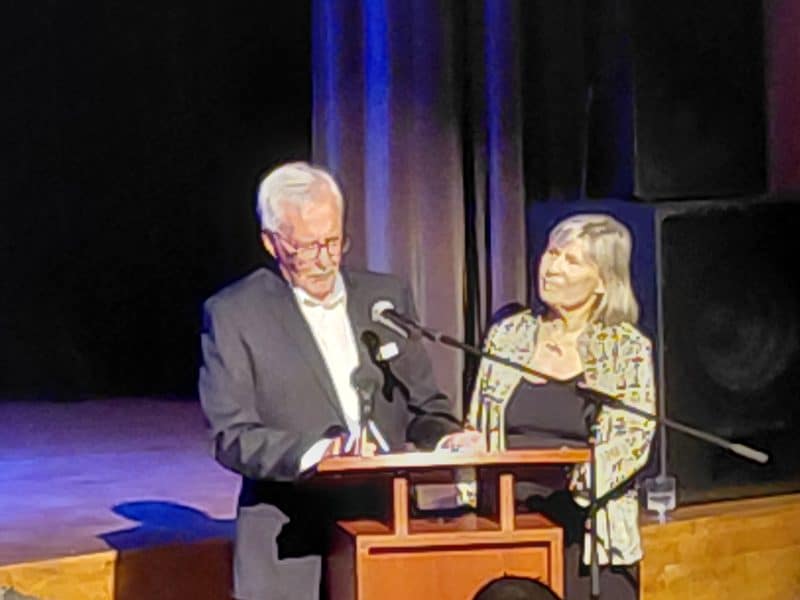
Lina Azeez, habitat programs director at the Port Coquitlam-based Watershed Watch Salmon Society, told council that weakening infrastructure, development pressures and climate change are increasing the potential for catastrophic flooding.
“Flood resilience is not discretionary spending; it is prudent financial management,” Azeez said. “Every time we kick the can down the road, we are gambling with the lives, homes, food security, infrastructure, and ecosystems of the Lower Mainland.”
The coalition, which includes organizations, experts and advocates working toward climate-resilient floodplain management, has been bringing local governments and First Nations together since 2022 to develop a coordinated regional approach.
Azeez said much of the Lower Mainland’s flood protection infrastructure dates back to the late 1940s, while responsibility for maintaining and upgrading those systems has increasingly fallen on municipalities without adequate financial support.
She warned that a single major flood in the Lower Fraser could destroy more than $350 billion in economic value, disrupting transportation corridors, agricultural production and international trade.
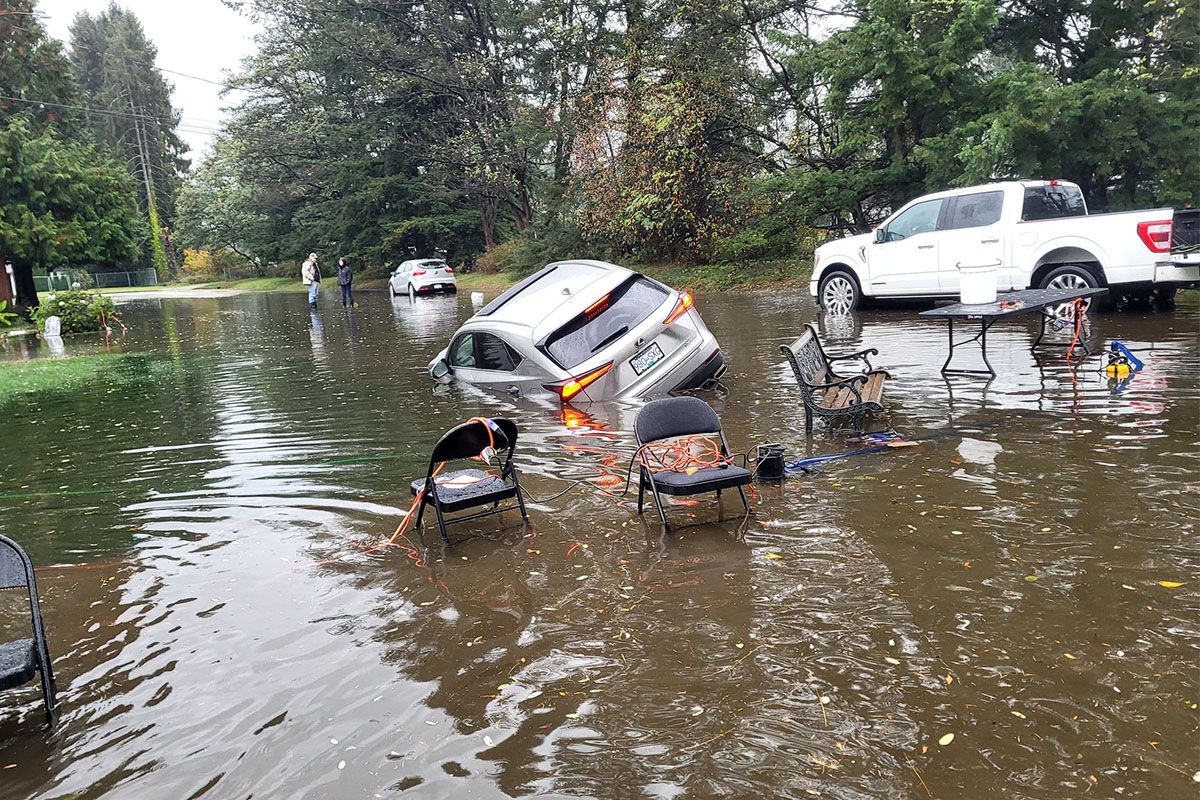
The region has already experienced significant flooding in 2021, 2024 and 2025, she noted.
Although the province has developed a B.C. Flood Strategy, Azeez said it lacks the funding needed for implementation.
“What’s needed is consistent backing from the provincial and federal governments in the form of a long-term investment program,” she said.
Rather than funding isolated projects, the coalition wants investments that simultaneously reduce flood risks, restore salmon habitats, protect agricultural lands and strengthen local economies.
Azeez pointed to Washington State’s Floodplains by Design program as a potential model.
According to figures she presented, the program has invested $359 million since 2013, reducing flood risks for 88 communities and restoring more than 275 kilometres of salmon habitat.
She said those investments have prevented nearly $2 billion in flood damages while generating additional economic activity.
“We want to create a similar kind of investment here at home,” Azeez said.
While Port Moody does not face the same level of river flooding as some Fraser Valley communities, Coun. Callan Morrison said regional cooperation remains important.
“Although Port Moody may not have a ton of flood issues, there are other municipalities that will have experienced this, including the one in the Fraser Valley just a few years back,” Morrison said.
He emphasized the importance of establishing funding mechanisms that help municipalities both prepare for disasters and respond when they occur.
Morrison also asked whether the coalition intended to bring its advocacy campaign to organizations such as the Union of BC Municipalities (UBCM) and Federation of Canadian Municipalities (FCM).
Azeez said the coalition hopes interested municipalities will bring the issue to the Lower Mainland Local Government Association (LMLGA), potentially advancing it to UBCM and eventually the national level.
She also noted that while Port Moody faces less risk from river flooding, rising sea levels remain a concern for the coastal community.
Coun. Amy Lubik welcomed the initiative, particularly its emphasis on replacing competitive funding programs with coordinated regional investment. She said municipalities should not be competing for grants to construct flood protection systems that ultimately depend on infrastructure in neighbouring communities.
Lubik also argued that investing in flood prevention could reduce the much greater costs associated with disaster recovery.
“The more that we can invest in these things, the more it saves us money in the event that we actually have a flood,” she said.
Lubik described the initiative as an example of how major infrastructure investments could deliver both economic and environmental benefits.
“We hear a lot about nation building in the news, and I think this is a really good example of what nation building could look like that really benefits the economy and the environment.”
The joint statement calls on Ottawa and Victoria to recognize the Lower Fraser’s flood resilience as a matter of national significance, address their responsibilities for protecting critical infrastructure and establish a long-term investment program that supports collaboration among governments, First Nations and the private sector.
It also emphasizes nature-based solutions and flood management approaches that protect salmon ecosystems alongside communities and infrastructure.
The coalition’s campaign has gained momentum since the Metro Vancouver Regional District board endorsed the statement on May 29.
Azeez told council that 20 communities, including three regional districts, had endorsed the initiative, with Musqueam First Nation also signing on Nov. 10.
The coalition plans to continue seeking endorsements from municipalities and First Nations, with upcoming presentations planned for New Westminster, Kent, Harrison Hot Springs and Chilliwack.
Port Moody’s unanimous endorsement adds another municipal voice to the campaign for a regional funding strategy, although the statement itself does not establish a new funding program or commit the city to specific flood protection expenditures.
The coalition hopes the growing number of endorsements will strengthen its case for sustained investment from senior governments.
“Long-term flood resilience, stable, committed funding, and regional coordination is really a priority,” Azeez said.
Author