New Minecraft model developed in Tri-Cities available to world
Developers of A Pacific Northwest Coast Experience hope this is only the beginning for the project
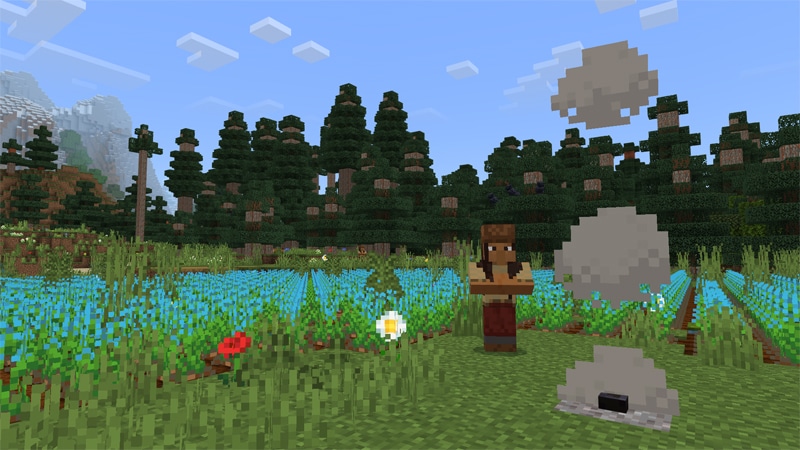
One week after making its debut in Canada, an Indigenous-themed Minecraft game mode went global.
A Pacific Northwest Coast Experience, created by the Kwikwetlem First Nation, School District #43, and Microsoft Canada was made available to Minecraft users across the world on Monday.
“Anyone, anywhere in Minecraft now has this world available to them,” said Stephen Whiffin, assistant superintendent and chief information officer at SD43.
Local news that matters to you
No one covers the Tri-Cities like we do. But we need your help to keep our community journalism sustainable.
The game mode, which was initially announced on Oct. 3, places students in a coastal community that is preparing for winter.
Students must use traditional Indigenous methods, such as harvesting salmon or cedar bark, to build a village that will survive the harsh winter months.
There are also Elder avatars in the game that assist students in their main tasks: learning why Indigenous nations relied on certain items for spiritual significance, harvesting resources, and building the village.
“One of the challenges may be to collect cedar bark for the construction of a cedar bark basket,” Whiffin said. “The Elder will share a story about the importance of this product, collecting it in a sustainable way and its connection to the land.”
Along with the game, he added that instructors are given a manual created by the district’s Indigenous Education Department.
The guide provides teachers with ideas on how they can pull larger themes from the Minecraft world into their lesson plan.
“This experience is not just about learning Indigenous history or Indigenous culture,” Whiffin said. “It’s learning a curriculum through Indigenous history and culture.”
The game has been in development for two years, said Dave Sands, SD43’s principal of technology.
It was initially tested in seven schools across SD43 last spring.
Early feedback showed that students didn’t need any support with the technical skills in the game, as many already have experience playing Minecraft.
Instead, Sands said that the game has been recognized as a complementary piece for instructors that are guiding lesson plans about Indigenous learnings and history.
“What [students] do need is the teachers guiding them, asking questions and prompting conversations,” Sands said. “Their role is making sure students are looking at the cultural significance of what they are doing.”
While the school district couldn’t provide an exact number of people who have downloaded the game mode since its launch, both Sands and Whiffin said the early reception has been positive.
Sands said he hopes there will be additions to the game mode in the near future.
“We see this as just the beginning of this project,” he said, adding that there are nine other interactive modules in development for the world.
But the ideas for the additions to the Minecraft game mode need funding in order to be added to the game.
Developers of the game are also expected to present the game to the First Nations Education Steering Committee later this month, Whiffin said.
He hopes that the meeting will spark conversations between other nations in the province who want to tell stories about their local environment through an interactive platform like Minecraft.
“These are Indigenous stories to tell,” he said. “They’re not mine, they’re not Dave’s, they’re not the school district’s. While we have ideas, we don’t have priorities at this point. Those will come out of broader conversations with our Indigenous partners.”
Ultimately, wherever the platform goes in the future, Whiffin said he hopes the game gives students perspective on Indigenous ways of learning.
“We often talk about making learning authentic,” he said. “The way we structure learning experiences in Minecraft contributes to that goal.”
Author