Virtual world teaches Tri-Cities students about Indigenous history
Students will learn how to build a village in an Indigenous-themed Minecraft game
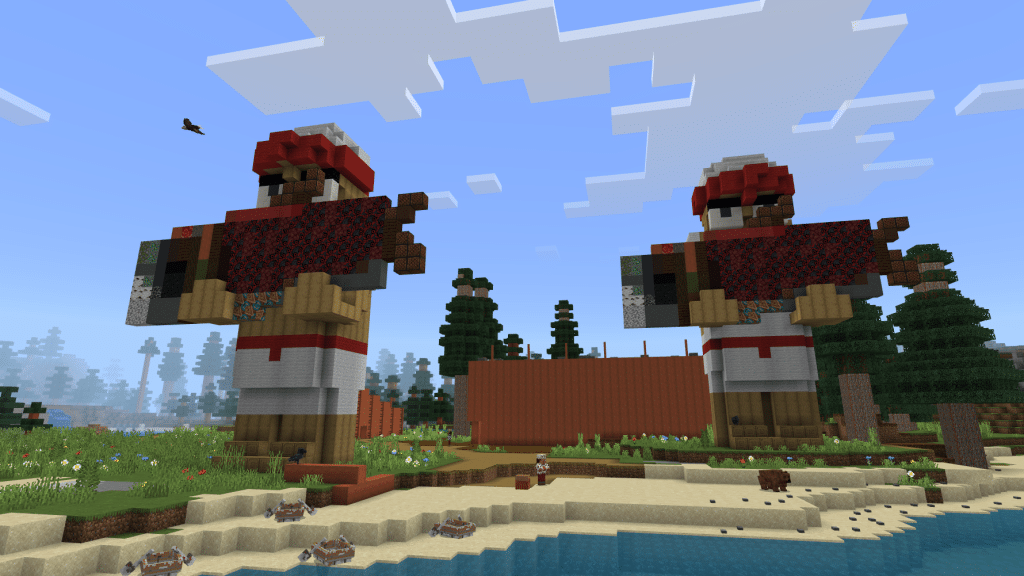
To learn important lessons from the past, start playing video games.
That’s the message teachers across the Tri-Cities are telling their students this fall.
School District #43, in partnership with the Kwikwetlem First Nation, has unveiled a new initiative that allows students to learn about Indigenous history in Minecraft, a popular online game that allows players to build worlds one block at a time.
Local news that matters to you
No one covers the Tri-Cities like we do. But we need your help to keep our community journalism sustainable.
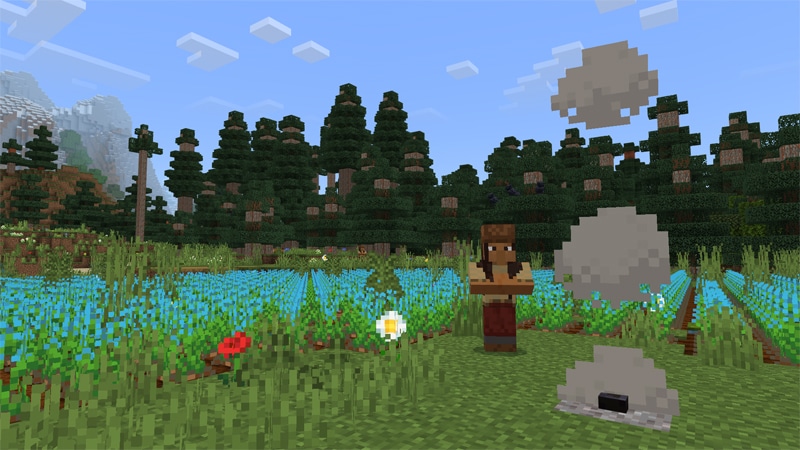
The new Minecraft game mode, A Pacific Northwest Coast Experience, places students in a coastal community that is preparing for winter.
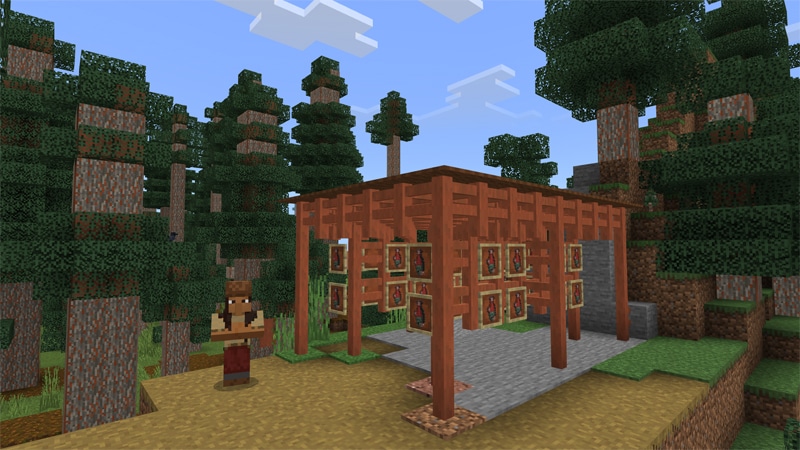
Using traditional Indigenous methods, such as maintaining camas fields or harvesting salmon from gillnets, students must build a sustainable village that will survive the harsh winter months.
“Through the game, I can feel really connected to my own lands and to my own culture,” wrote Nancy Joe, a member and cultural advisor for the Kwikwetlem First Nation, in a press release.
“[The new world helps students] realize the diversity of the land itself, the richness of how much our people really relied on the resources that were around us, but also how we were able to utilize it and to share with one another.”
Microsoft added that there will be four main tasks for students on their road to building their village.
First, students must learn why many Indigenous nations relied on cedar trees for bark and spiritual significance.
They will then be tasked to harvest salmon, gather salmonberries — learning to take only what they need, and leaving enough food for other animals — before starting to physically build the village.
“Students can explore a holistic learning environment at their own pace to build meaningful connections with local First Nations,” declared Elka Walsh, learning and teaching lead at Microsoft Canada.
“SD43 is proud to be at the forefront of educational innovation,” stated Michael Thomas, the district’s board of education chair, in a press release.
The initiative is an extension of Minecraft Education, a game-based platform developed by Microsoft that teaches students school subjects through multiple Minecraft “worlds” — a standalone universe in the game where students can build objects or form a community.
SD43 has been experimenting with Minecraft Education since 2021, when the district used the game to teach math and science to students in grades five to eight.
That year, the Tri-City News reported that students were instructed to use graphing and estimation to build a home in Minecraft.
Video gaming is a way to increase learning for many students, added Patricia Gartland, SD43’s superintendent and CEO.
“Exploring a Minecraft world while hunting, fishing, and building within an immersive virtual Pacific Northwest Indigenous community is a fantastic way to learn through ‘doing,’” she stated.
Instructors will be provided with teaching guides and videos to help students learn more about Indigenous culture.
There will also be Elders and knowledge keeper characters in the Minecraft world to assist students in their world building.
The game will be available to schools within SD43 and all individuals across Canada.
Author