Port Moody advances first phase of $5.9-million civic complex overhaul
Port Moody council has unanimously approved detailed designs for the first phase of a long-awaited plan to transform the exterior of its civic complex.
The multi-year project is expected to cost nearly $6 million and reshape how residents use the space around city hall, the library and recreation centre.
“This is going to be a major boon for families within the area, and I really like what I’m seeing,” said Coun. Diana Dilworth.
Local news that matters to you
No one covers the Tri-Cities like we do. But we need your help to keep our community journalism sustainable.
On April 21, council endorsed staff recommendations to move ahead with design work on four initial components of the Civic Complex Exterior Upgrades and Enhancement project, while deferring the bulk of the work to future capital budgets.
The full concept plan carries an estimated price tag of about $5.9 million, covering a wide range of upgrades including redesigned plazas, new recreation amenities, expanded pathways and major changes to parking and circulation throughout the site.
So far, the city has roughly $841,000 available across existing budgets and related projects, with about $627,000 remaining in the core project fund. That funding will be used to advance early-phase work, including improvements to the library plaza and new accessible pathway connections.
The broader plan reflects a shift from what was initially envisioned as a series of small upgrades into a more comprehensive redesign, after staff determined many elements were interconnected and needed to be built together.
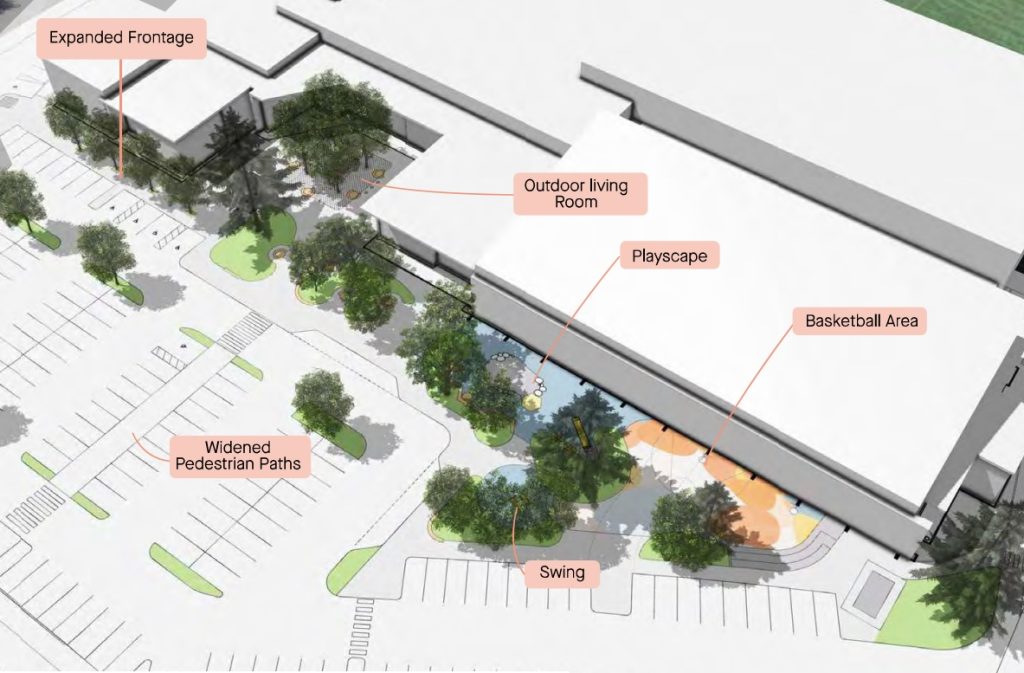
That includes reconfiguring parking areas to improve pedestrian safety, overhauling the recreation centre entrance into a more welcoming “outdoor living room,” expanding playground and sports areas, and creating new gathering spaces, such as a permanent amphitheatre stage and café-style seating at the library plaza.
Mayor Meghan Lahti said the right now council just has a high-level overview of the plan and cost estimates, emphasizing that public consultation and “getting into the weeds” will follow at a later stage.
“This has been a long time coming, and I’m looking forward to seeing this unfold over the coming years,” Lahti said.
Council supported staff’s phased approach, which prioritizes projects that improve accessibility and safety first, such as upgrades to the library plaza, new accessible pathways connecting key parts of the site, along with pathway improvements near Trasolini Field.
Those early projects are considered “quick wins,” requiring fewer regulatory hurdles such as archaeological assessments and offering immediate improvements for users.
Much of the initial discussions revolved around elements still being worked out, particularly proposed pathways and parking changes.
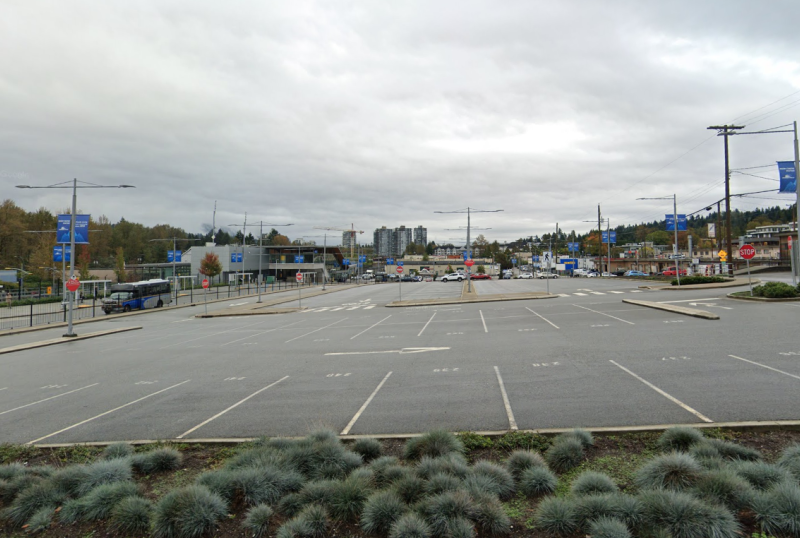
The plan calls for reconfiguring parking areas to accommodate new pedestrian pathways and amenities, including raised crosswalks and safer walking routes through the recreation complex lot. While designed to minimize impacts, the changes would result in a net loss of some parking stalls.
Coun. Callan Morrison said he appreciated the accessibility focus, but raised concerns about losing approximately 10 parking spaces and suggested the city consider opening staff-designated parking during peak periods.
Coun. Haven Lurbiecki warned the parking issue remains unresolved, and urged staff to take a broader, “big picture” look at how additional capacity could be created as demand continues to grow.
“I hear ‘keep as much parking as we can,’ and I am asking to add parking,” she said. “We’re hearing from the community that this is a major, major stress point to find parking at the rec centre.”
Staff acknowledged the challenge, noting parking demand has already been studied in relation to surrounding amenities – including sports fields, tennis courts, playgrounds and planned pickleball courts – but said a more comprehensive review of parking capacity would likely require a separate project.
“We’re very cognizant of the parking challenges,” said Julie Pavey-Tomlinson, general manager of community services.
Mayor Lahti also questioned whether proposed pedestrian pathways reflect how people actually move through the site, particularly given foot traffic patterns from nearby Newport Village.
“I’m concerned that if we were going to be losing parking, to put in this wide walkway, which I don’t disagree with providing, but I’m wondering if it’s in the wrong place,” she said. “Most people won’t take the time to get there. They’ll just cut through the parking lot.”
Coun. Amy Lubik echoed those concerns, saying it’s important to align infrastructure with “natural” walking routes to ensure it is actually used.
Despite the initial commentary, council unanimously praised the long-term benefits of the project, particularly for families and community use.
Coun. Samantha Agtarap said the plan makes strong use of limited space within a “very constrained campus,” though she noted potential trade-offs, including impacts to community garden plots that already have long waitlists.
“I love all this so much. This is a great use of existing space,” she said, adding that improved circulation could ultimately make parking function more smoothly.
The plan also includes longer-term elements such as a redesigned recreation complex entry plaza with expanded seating and tree canopy, new basketball and playground areas, a permanent amphitheatre stage with integrated seating, and improved pathways and viewing areas around Trasolini Field.
Staff noted the phasing could shift depending on future funding, technical assessments and potential conflicts with longer-term projects, including the possibility of a future indoor aquatics facility on part of the site.
Council’s decision allows the project to move into detailed design for its first phase, with the remaining components expected to return through future budget deliberations.
Author