
Metro Vancouver raises rates by 2.5 percent for 2026
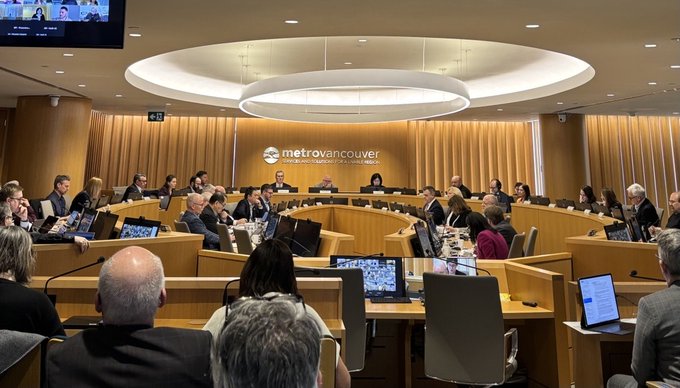
Homeowners will pay an average of $897 for Metro Vancouver services next year, a 2.5 percent increase from 2025.
That total varies by municipality, according to a press release from the regional government.
“We understand the pressure residents are feeling from rising costs. We’ve taken action to protect affordability while continuing to deliver the high-quality services residents rely on every day,” stated Mike Hurley, Chair of the Metro Vancouver Board.
Local news that matters to you
No one covers the Tri-Cities like we do. But we need your help to keep our community journalism sustainable.
The rates go toward paying for Metro Vancouver services including drinking water, wastewater treatment, solid waste management, regional parks and regional planning.
The majority of the money is for liquid waste services (at $534 per year), followed by drinking water services (at $208 per year).
Metro Vancouver identified more than $360 million in operation savings over five years through a services and cost efficiencies review completed in the spring, Hurley added.
To achieve the savings, they lowered capital infrastructure spending, adjusted project timelines and optimized work plans to lower debt servicing costs.
Metro Vancouver has come under scrutiny for its spending in recent years.
The cost of the North Shore Water Treatment Plan has ballooned, rising from $700 million to nearly $4 billion — which has directly resulted in residents paying more for utility fees.
Port Coquitlam approved a 30.98 percent sewer rate increase early this year, a hike of about $122 for the average homeowner. That increase can largely be attributed to the costs of the North Shore plant, according to city staff.
In 2024, Metro Vancouver board members also came under fire for their 2023 travel expenses, when the 41-member board spent $227,000 on it — the top five spenders accounting for 67 percent (nearly $153,000).
This included Port Coquitlam Mayor Brad West and Anmore mayor John McEwen.
The regional government was up for a governance review earlier this year, which included a department-by-department cost efficiency examination and a governance review run by the consulting firm Deloitte. They looked at how much board members are paid, decision made, committee structure and composition.
In the report Deloitte published, it states that the North Shore wastewater treatment plant and its funding impacts “have created an environment of extreme tension within the Board and with municipalities.”
Related Articles
How does the BC Budget fare on tackling affordability and inequality?
“It’s a pretty substantial step in the right direction,” says Alex Hemingway, a senior economist with the Canadian Centre for Policy Alternatives.

7 ideas to end cycles of poverty in B.C. communities
We’ll have to work together to build more accessible and equitable financial systems, these experts say.
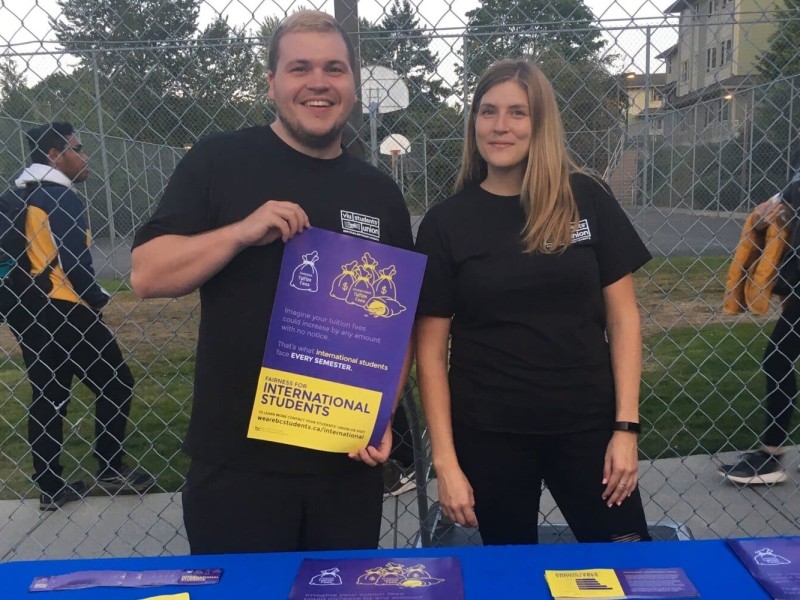
B.C. student unions fight for financially accessible education
At Vancouver Island University, the student union helps students manage their money while pushing for broader change to lessen the financial burden.