Metro Vancouver pay to be reviewed following urging from PoCo mayor; Coquitlam councillor calls for substantial change on handling of infrastructure projects
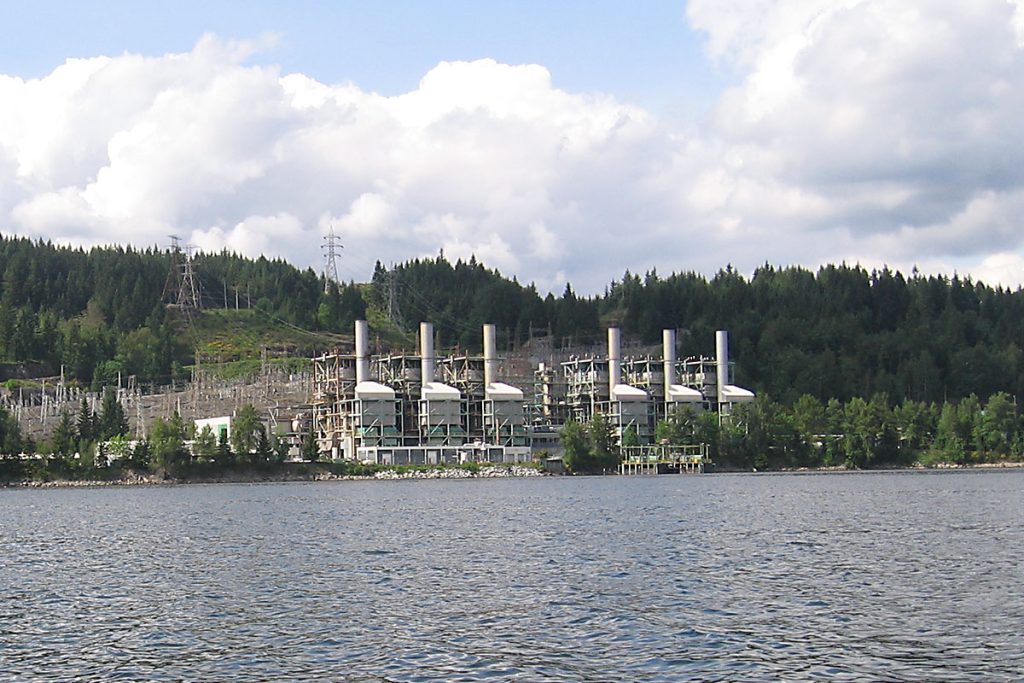
After the major cost overrun on the North Shore Wastewater Treatment Plant as well as recent concerns about travel expenses, Metro Vancouver is up for review.
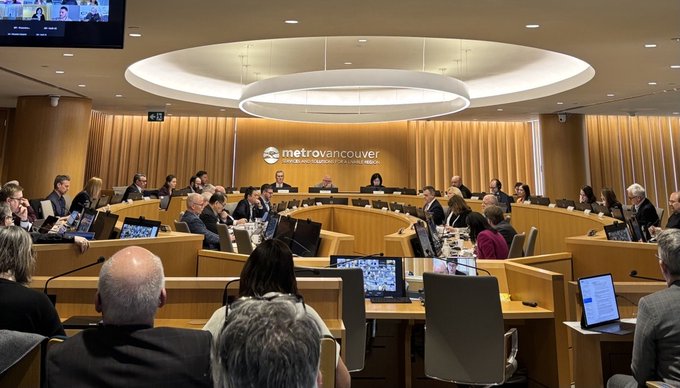
In addition to a department-by-department cost efficiency examination, audit and consulting firm Deloitte is set to lead a governance review of the regional utility provider, Metro Vancouver announced Friday.
That review will include how much board members are paid and how decisions are made, as well as committee structure and composition, announced Metro Vancouver board chair Mike Hurley.
Local news that matters to you
No one covers the Tri-Cities like we do. But we need your help to keep our community journalism sustainable.
“Our goal is to ensure transparency and accountability throughout that process,” Hurley stated in a press release.
Mayor Brad West, who serves as a director with Metro Vancouver, previously suggested a host of changes including halving the number of Metro Vancouver committees, cutting the meeting stipend by 50 percent and putting a cap on pay for directors.
“The issue around remuneration is one that has been inherited by this board, not created by it,” West said on Friday.
It’s critical Metro Vancouver addresses public confidence before turning attention to critical regional issues, he said.
“These are long-standing practices,” West continued. “Nonetheless, I do think it behooves us to address concerns that exist in the public around this issue.”
“Everyone is counting on us,” Hurley said Friday, emphasizing the need to look beyond municipal boundaries and work for the region as a whole.
Deloitte will put together reports on Metro Vancouver pay and governance in the next few months, according to company representative Shayne Gregg.
The firm is also set to consult with a volunteer panel including former B.C. Premier Glen Clark and Royal Bank of Canada regional president Martin Thibodeau.
The biggest issues with Metro
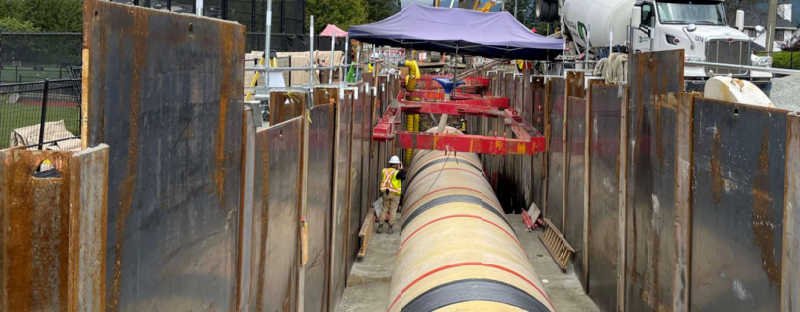
The biggest cost driver at Metro Vancouver is major capital projects, according to Coquitlam Councillor and member of the Metro Vancouver Water Committee Brent Asmundson.
Critical reviews – including on subjects like the risk of failure and how infrastructure operates in an emergency – don’t occur at Metro Vancouver, Asmundson wrote in an email to the Dispatch.
Metro Vancouver demands very high standards even when those standards lead to higher costs for negligible improvements. For example, a sewage treatment plant might be built to withstand an earthquake, but would likely sit unused after that earthquake as sewage wouldn’t be able to reach the plant, he added.
“If you think about this as insurance, society is being asked to pay a very high premium for protection that is simply not worth the cost,” Asmundson wrote.
Metro Vancouver: “takes every opportunity to transfer the risk of any failure to their consultants and contractors,” he wrote.
This results in few bids and high costs, according to Asmundson.
“The higher bid costs that result are usually well in excess of the value provided,” he added.
Metro Vancouver should do a better job accounting for the likelihood of a disaster.
“If the probability of a major earthquake occurs every 400 years and a pipeline is estimated to last 80 years, a ratio of 20 percent is determined,” Asmundson calculated. “The expected probability cost of failure should be compared to the extra cost incurred to design the project to meet the higher standard.”
Finally, Metro Vancouver should analyze who is best situated to assume the risk in an emergency.
“The current approach of Metro transferring all the risk to the private sector simply results in few and very high bids which dramatically increases the cost to society,” Asmundson concluded.
Author