Port Moody greenlights 10-year plan to convert all streetlights to LED
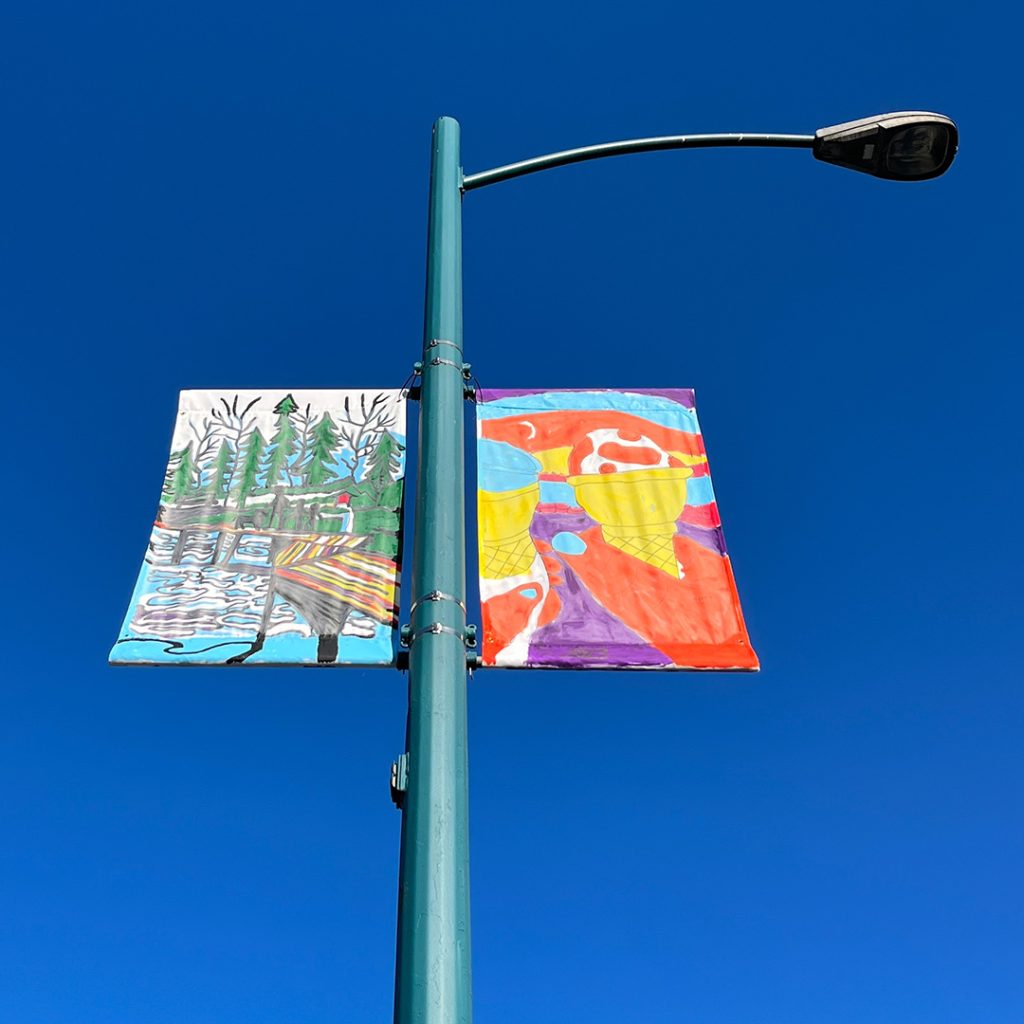
Port Moody has flipped the switch on a citywide streetlight conversion strategy that promises to brighten roads and dim expenses.
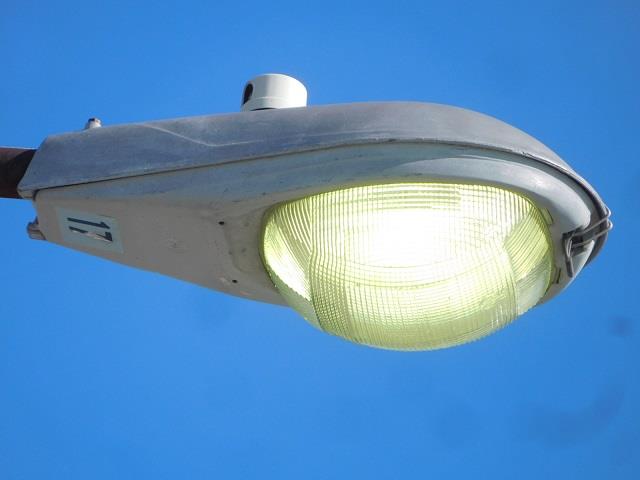
Council unanimously approved a new strategy on May 10 to phase out the city’s increasingly obsolete decorative fixtures in favour of standardized cobra-style LED lights. The transition is expected to cut the city’s projected $3.8 million replacement cost down to $1.5 million.
“We’re going to have substantial cost savings to do the conversion,” said Tim Aucott, the city’s senior project engineer. “We’ll have a much more standardized inventory, which makes it easier to keep spare parts and to maintain, and it’s a reasonably limited impact on esthetics.”
Local news that matters to you
No one covers the Tri-Cities like we do. But we need your help to keep our community journalism sustainable.
Currently, Port Moody operates about 2,100 streetlights, many of which use outdated high pressure sodium or metal halide bulbs – older technologies that are being phased out by manufacturers and are increasingly expensive to maintain.
To guide the transition, the city commissioned an engineering report in 2021, which recommended a structured conversion based on zoning, road type, and existing light wattage. Colour temperature will also be adjusted: a warmer 3000K light for local roads and environmentally sensitive areas, and a cooler 4000K for arterial and commercial areas to boost visibility.
Council praised the plan’s financial benefits and logistical efficiencies.
Mayor Meghan Lahti, however, cautioned that the rollout needs stronger communication with residents to avoid confusion and complaints.
“When they changed a bulb in front of my house . . . it was so bright that I could read a book in my front yard at midnight,” she said. “We need to be doing a better job of letting people know who they need to call when they have these problems.”
Aucott confirmed the city has not yet begun the citywide rollout but will implement a communication plan when it starts. He said the city is planning on converting blocks at a time, and staff will notify residents about the work.
“If there are complaints about light pollution, we look at options like re-angling or shielding the light,” he said.
General manager of engineering and operations Jeff Moi added the city-managed project will take a more tailored approach than previous upgrades done by BC Hydro.
“We’re going to be looking more at the existing wattages in the neighborhood and the existing context,” Moi said.
Still, some councillors raised concerns about esthetics and light quality.
Coun. Haven Lurbiecki questioned staff about whether the new lights would result in substantial changes to neighbourhood character, specifically referencing St. Johns Street.
“It’s easy to say this won’t change what things look like, but the cumulative effect does matter,” she said. “Those bright white lights are absolutely terrible . . . especially for residential areas, we should minimize that colour usage and keep a warm, neighborhood feel.”
Aucott reassured council that most lights will be replaced with equivalent wattages, with only major transit routes seeing brighter lights for safety.
Couns. Callan Morrison and Kyla Knowles both applauded the project’s fiscal prudence.
Morrison said the longevity and efficiency of the LED lights will save labour and energy costs.
“This opens up resources for other initiatives in the city,” he said. “That’s saving the city money . . . and therefore taxpayer dollars.”
Coun. Samantha Agtarap urged staff to consider the transition’s impact on the city’s wildlife, noting Port Moody’s recent certification as a bat-friendly city. Aucott responded that it was something staff can look into.
Port Moody has allocated $150,000 annually for the LED conversion in its five-year capital plan. At that pace, the city expects the upgrades to be completed within a decade.
The LED conversion project is part of Port Moody’s broader effort to modernize infrastructure while reducing maintenance costs and greenhouse gas emissions.
Author