Port Moody approves 3.95% tax hike for 2026
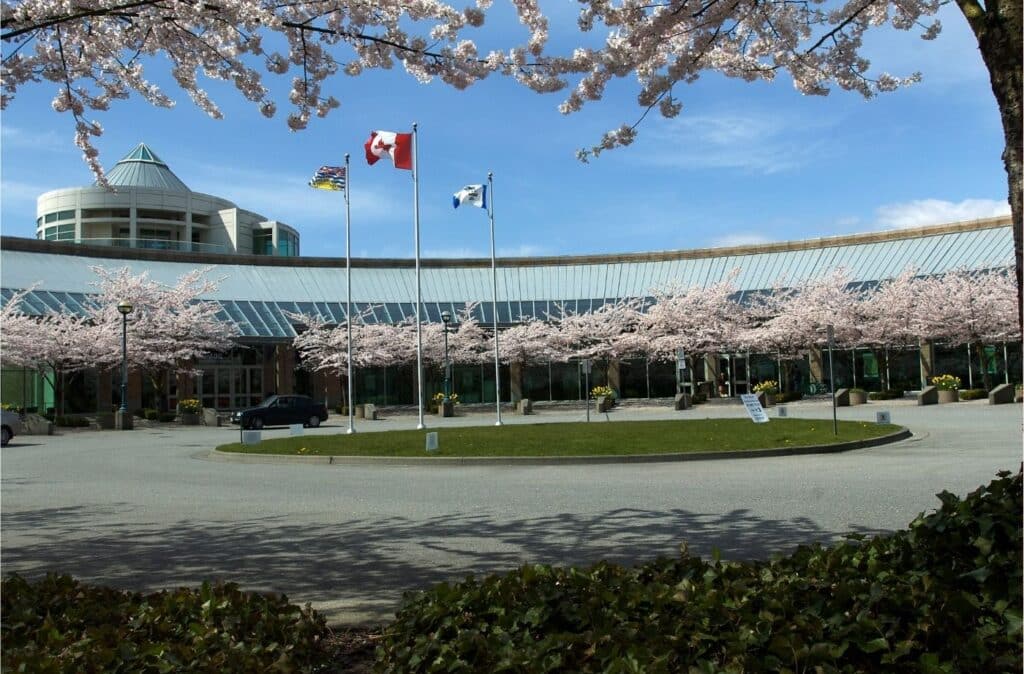
Port Moody council has unanimously approved the city’s 2026 budget, locking in a 3.95 percent tax increase, the lowest in this term.
Councillors said the budget was a careful balancing act between maintaining services, investing in infrastructure and easing pressure on residents facing rising living costs.
Coun. Callan Morrison described it as a “tough balance.”
Local news that matters to you
No one covers the Tri-Cities like we do. But we need your help to keep our community journalism sustainable.
“This has been, probably out of all the years that we’ve been on council, the most difficult time with trying to make the budget work and keep the tax rate at a level that we hope our residents will be able to handle,” he said.
Council gave the bylaw three readings on April 28 following weeks of finance committee deliberations and public consultation. The final plan represents a $2.44 million increase over 2025, with the average household assessed at $1.22 million expected to pay about $121 more annually – roughly $2.35 per week.
The city had initially floated a much larger 8.65 percent increase during public consultation last fall before revised revenues, cost reductions and phased spending lowered the final increase to 3.95 percent.
Over the last three budget cycles, the council had approved increases totalling 21.6 percent.
Coun. Kyla Knowles said council worked to preserve service levels while trying to shield residents from steeper increases.
“I think we did a pretty good job of keeping our service levels at a very high level,” Knowles said. “I think we deliver really good customer service all year long, while balancing the feedback that we got from our residents and setting future councils up for success.”
Knowles highlighted council’s decision to continue increasing the city’s capital asset levy by the equivalent of one percent annually – adding about $620,000 in 2026 – to help pay for replacement and renewal of infrastructure.
She added Port Moody remains “comfortably in the middle” compared with tax increases in other Lower Mainland municipalities.
The financial plan includes a $27 million capital budget for 2026 and more than $92 million in projects over five years. Major infrastructure priorities include sewer, water and storm drainage upgrades, road rehabilitation, bridge replacements and climate resiliency projects.
Among the largest 2026 projects are $2.77 million for sanitary sewer infrastructure, $2.16 million for water network renewals and $1.66 million for Moody Centre storm drainage improvements.
Much of the council discussion focused on climate spending and the future of the city’s Climate Action Levy.
Knowles referenced previous debates surrounding a proposed boiler replacement project that council ultimately removed from the capital plan earlier this year, saying she wanted clearer accountability and transparency around climate-related spending moving forward.
“From my perspective, the big concern is the lack of return on investment,” she said. “I’m really looking to make sure that future councils can avoid issues like that.”
Paul Rockwood, the city’s general manager of finance and technology, said staff are currently reviewing the city’s climate action strategy amid shifting economic realities and changes at senior levels of government.
“We had a plan, but all senior levels of government are backing off those goals and just putting the targets out a little further due to the economic times,” Rockwood said. “So the city is going to re-look at our plan.”
He noted council paused the planned one percent Climate Action Levy increase for 2026, though the levy remains built into the financial plan for future years.
Morrison defended continued investment in infrastructure renewal, warning against allowing critical assets to deteriorate without dedicated funding sources.
“We don’t want to be having hundreds of millions of dollars of assets in the ground that don’t have a funding source to be able to be replaced,” he said.
Morrison also supported revisiting the city’s climate spending priorities ahead of the next budget cycle to ensure council has a clearer understanding of project costs and goals before deliberations begin.
Coun. Amy Lubik pointed to growing external pressures affecting municipal budgets, including tariffs, rising construction costs, cybersecurity threats and increasing policing expenses.
“It’s been a tough year,” Lubik said.
Lubik said many of the city’s less visible infrastructure projects such as drainage and water upgrades are essential to preparing Port Moody for increasingly severe weather events and climate resilience.
“We are looking at doing that in a way to make sure that years down the road when we’re seeing more atmospheric rivers or droughts and things like that, that we have climate resilience built into our plans,” she said.
Author