School District #43 hoping provincial grant can transform defunct Ioco School into modern childcare space
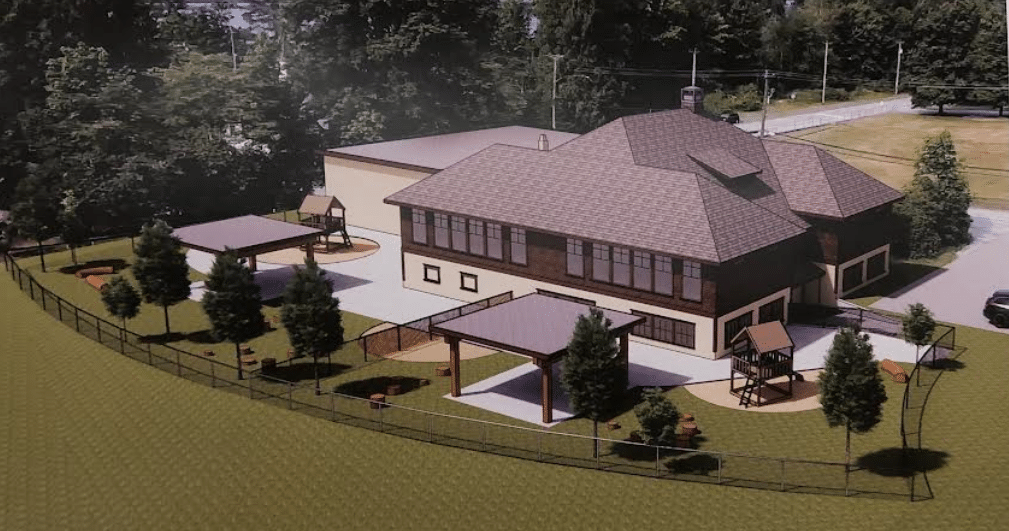
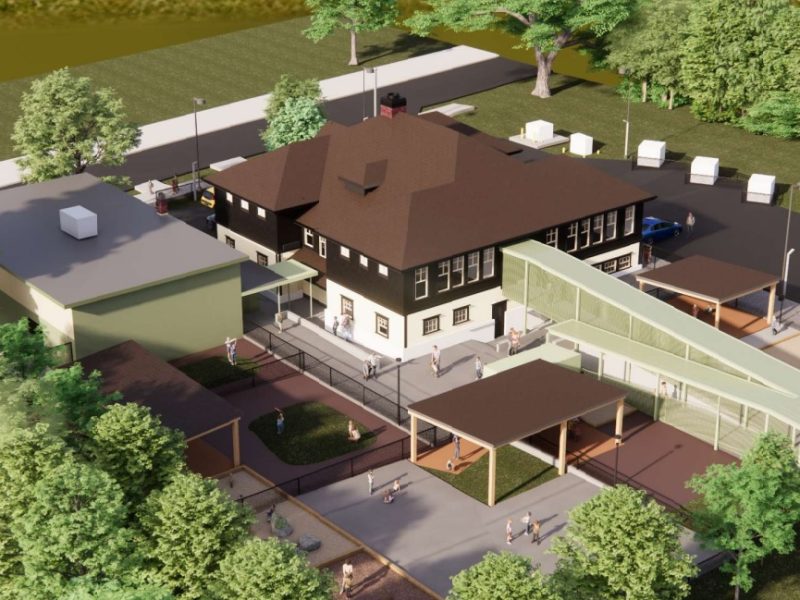
Port Moody’s century-old Ioco School has sat empty for nearly 20 years, but School District #43 has its sights set on a provincial grant to get kids back into the historic building.
SD43 administrators are hoping the funding will cover 100 percent of the costs to renovate the structure into a modern daycare space.
“We think it’s very doable, but we can’t pinpoint the exact scope (or budget) of work,” said Ivano Cecchini, executive director of facilities and planning services. “First we are seeing if there is a need for the project, then we go to the province with a whole feasibility study, with the exact work that will be required.”
Local news that matters to you
No one covers the Tri-Cities like we do. But we need your help to keep our community journalism sustainable.
The district held an information session to gauge community interest about the project Thursday evening at École Moody Middle School of the Arts.
Recent changes to the Ministry of the Children and Family Development’s New Spaces Fund have created an opportunity for the school district, said Ken Hoff, assistant director of communications.
The provincial program was updated in 2022/2023 to maximize the number of childcare spaces in areas with the greatest need.
Some of these changes include the removal of maximum funding amounts to support the space-creation projects, and increased priority for creating infant/toddler childcare spaces.
“If we can get some community support, a little bit of community advocacy, and we can generate some excitement around this, we’re going to submit our application for this grant,” Hoff said, adding application deadline is sometime in the fall.
Hoff said the district already pays to maintain the heritage structure to keep it viable for re-opening, so being able to re-open the space would be a “win-win.”
He said Ioco School is still very much usable after being closed since 2005, but that it would need to be brought up to code.
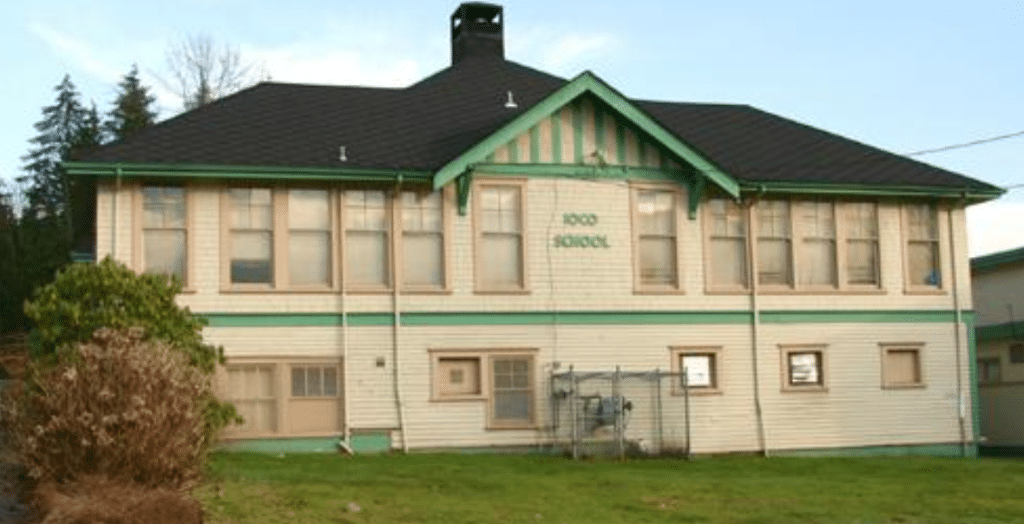
Some issues may exist regarding accessibility and roof structure, Hoff said. He added that any renovations would be regulated under the city’s heritage guidelines.
“If we can qualify for a grant that will then take us over the top tier . . . it comes together perfectly in a situation like this,” Hoff said.
Cecchini said the province has a pool of money they are looking to distribute, and SD43 would be competing with not only school districts, but also private non-profit organizations.
He said the province has not informed them of how big this pool of money is just yet, but they have given them some guidelines of what the project should entail.
Hoff said the building is not really viable for a school space anymore, but that there appears to be a shortage of daycare space in the community.
The school district does not run its own childcare spaces, and intents to lease the space to a childcare operator.
Construction began on the original Ioco School in 1921, with a small gymnasium being added in the 1950s. The current wood-frame building is approximately 12,000 sqare feet, with four classrooms on the upper floor, and a lower basement area.
Ioco was once a bustling company town built by the Imperial Oil Company around its refinery on the north-west edge of Port Moody.
The school was originally built with a capacity for 100-students, offering Grades 1 through to university entry classes.
Ioco School was designed by architect Henry Whittaker, who served as the chief architect for the province’s public works department for over 30 years, and had a significant influence on the symmetrical style of many provincial buildings, according to the Canadian registry of historic places.
Author