Port Moody adopts strategy to protect and grow heavy industrial sector
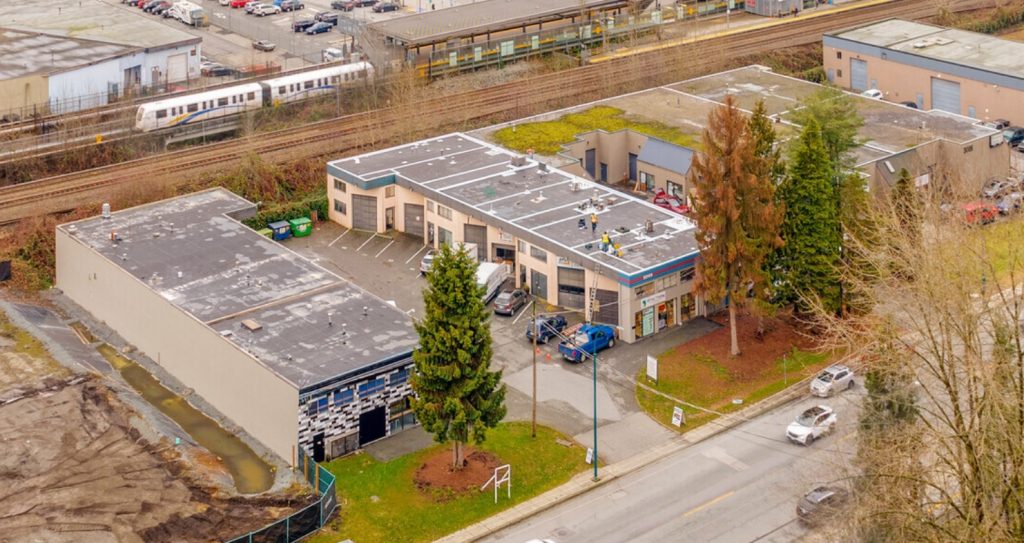
Port Moody council endorsed a new Heavy Industrial Sites study and directed staff to move ahead with a series of measures aimed at protecting, supporting and potentially expanding the city’s heavy industrial lands.
On June 16, council unanimously approved the latest step in the city’s broader industrial land planning efforts, building on a 2023 Industrial Land Strategy that focused primarily on light industrial areas near SkyTrain stations and redevelopment pressures.
Coun. Diana Dilworth said there has been uncertainty around the city’s industrial sites for years, with many sitting underutilized, and providing a clear strategy for the future is “a very strong approach.”
Local news that matters to you
No one covers the Tri-Cities like we do. But we need your help to keep our community journalism sustainable.
She noted that during her time on council, she has seen industrial tax revenue fall from around 50 percent of the city’s tax revenues, to about 15 percent today.
“We just let it slide and now we’re back to a place where I think there needs to be some further discussion,” Dilworth said. “We are open for business, we do have land.”
The new study examines Port Moody’s heavier industrial operations, including sites such as Pacific Coast Terminals, Suncor Energy, Imperial Oil’s IOCO Terminal, Polynt Coatings and the BC Hydro Burrard Thermal Plant.
Staff told council the study was undertaken to better understand the challenges facing heavy industrial operators, identify future opportunities for industrial intensification and employment growth, and clarify the city’s role in supporting the sector.
Industrial lands play a significant role in the regional economy, accommodating more than one-quarter of Metro Vancouver’s employment and supporting trade, transportation and supply chains.
Port Moody’s heavy industrial lands account for approximately 18 percent of the city’s land base, according to the study.
Key challenges identified
The study found seven major issues facing industrial operators in Port Moody, including increasing conflicts with nearby residential development, aging infrastructure, transportation constraints, environmental sensitivities and changing regulations.
Among the most significant concerns raised by businesses was the growing tension between industrial operations and new residential development.
Consultants found that as housing projects move closer to industrial areas, operators increasingly face complaints about noise, odours, and other perceived nuisances despite operating within regulatory requirements.
The study also highlighted infrastructure limitations, noting that opportunities for business expansion are constrained by road and rail capacity as well as aging municipal services and transportation networks.
Another issue identified was what consultants described as misinformation surrounding the future of industrial operations.
Laura Jones of Pacific Land Resource Group told council that some real estate marketing materials for residential developments have created the impression that industrial facilities and rail operations are nearing closure when that is not the case.
“We had one of our operators that saw in advertising that their operation was winding down, which indeed it’s not,” Jones said.
The study specifically identified “inaccurate and misleading assumptions that industrial or railway operations will soon cease” as a challenge that can create opposition from new property owners after they move into neighbouring developments.
Proposed actions
The study recommends several measures to strengthen Port Moody’s industrial land base.
Among those measures is creating a formal definition of “heavy industrial” in the city’s zoning bylaw – a term that currently does not exist in the regulations. Consultants argued the definition would provide greater certainty, clearly distinguish heavy and light industrial uses and help protect lands intended for industrial operations.
The study also recommends improved public education about industrial operations, stronger collaboration with the Port Authority and BC Assessment, support for rail infrastructure expansion and continued analysis of the financial impacts of industrial land-use changes.
One recommendation called for creating a dedicated heavy industrial liaison position within the city. However, staff concluded a new full-time position is not justified at this stage and instead proposed the economic development manager could continue serving in that role while a cross-departmental working group had other issues.
Council ultimately endorsed staff’s proposed approach, which includes developing a definition for heavy industrial, identifying preferred future uses for existing industrial sites, strengthening relationships with operators and creating educational materials to address common misconceptions about industrial lands.
Industry ties a priority
Several councillors emphasized the importance of maintaining and expanding Port Moody’s industrial tax base and employment opportunities.
Coun. Kyla Knowles said heavy industrial businesses provide good-paying jobs and remain important contributors to the city’s tax base.
She urged staff to maintain stronger relationships with major operators such as Suncor and suggested the council revisit the idea of a formal industrial liaison committee.
Mayor Meghan Lahti agreed, stating that Port Moody previously had a committee that met regularly with major operators and suggested the city could consider reviving the model.
The mayor also said discussions continue regarding the future of the long-idle Burrard Thermal lands, a site repeatedly cited by councillors as a significant underutilized industrial property.
Council’s endorsement means staff will now begin implementing the strategy’s recommendations, including work on zoning changes, operator outreach and public education initiatives intended to support the long-term viability of Port Moody’s industrial sector.
Author