New ‘zero-tolerance’ policy for construction parking and traffic disruptions passed by Port Moody council
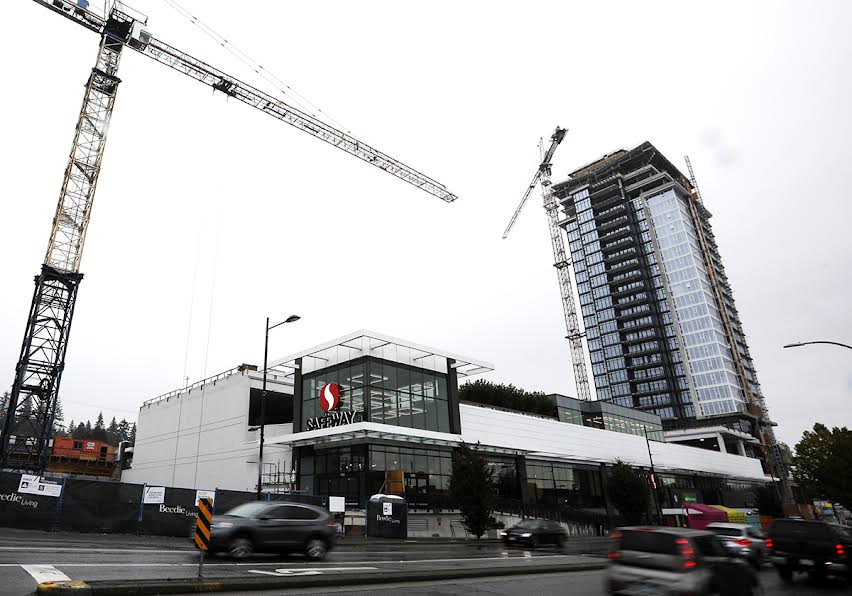
In an effort to curb mounting frustrations over construction-related disruptions, Port Moody recently passed a policy aimed at tightening regulations around construction traffic and parking.
On June 17, city council unanimously approved the new policy, which was described as having “zero tolerance” for violations.
“This is a very timely policy to put in place . . . as we start to see more development down in Moody Centre,” said Mayor Meghan Lahti. “This has been a real concern for many residents and businesses down there.”
Local news that matters to you
No one covers the Tri-Cities like we do. But we need your help to keep our community journalism sustainable.
Port Moody has experienced a surge in construction activity following the completion of the Evergreen SkyTrain extension, and even more is expected following new provincial housing mandates.
That surge has been accompanied by ever-increasing public discontent over congested roadways. Between 2022 and the end of May 2025, Port Moody issued 57 building permits, and has another 107 applications in the development stream.
City staff say the new policy provides clear expectations for developers while protecting residents and businesses. It requires developers, utility companies, and others undertaking major construction projects to submit detailed plans addressing construction traffic, parking for tradespeople, staging zones, and neighborhood notification protocols – well before construction begins.
“Development pressures are intensifying across the city,” said Doug Allan, senior planner with the city. “With Bills 44 and 47, a heightened level of development activity is anticipated, which will put increasing pressures on neighbourhoods, businesses, and general mobility in the community.”
Under the new rules, contractors are expected to prioritize on-site parking and staging. If that’s not possible, they must first seek an alternate off-site location before requesting permission to use public road allowances. Use of public streets for staging will require a Highway Use Permit and must comply with the city’s noise bylaw and anti-idling rules.
To ensure compliance, developers must submit a refundable security deposit – $2,000 for small projects and $10,000 or more for larger ones. That deposit may be drawn upon if a developer fails to notify neighbours or violates key terms of the plan.
A major focus of the policy is communication. Contractors are now required to notify property owners and businesses within a 400-metre radius of major construction sites – and within 140 metres of any alternative parking or staging location. That information must also be posted on-site, along with contact details for someone responsible for resolving issues.
The policy also gives the city discretion to prohibit trades parking near sensitive sites such as hospitals, libraries, or public parks, and allows for temporary parking measures to be implemented – at the developer’s expense – if needed.
Lahti said the new framework responds directly to repeated complaints, particularly from the Moody Centre neighbourhood, about trades vehicles monopolizing street parking and the lack of consistent enforcement.
She called for firm enforcement, warning that passive monitoring won’t cut it.
“By the time a business or resident starts to complain about something, it’s been going on for a while,” Lahti said. “If we start monitoring at the outset and they know we mean business, I think we’ll get much better compliance.”
General manager of engineering Jeff Moi said starting early – with plan requirements tied to development and building permits – should help minimize the need for constant enforcement.
“We’ve had conversations about whether we have the right resources – I think we do,” said Moi. “If we do need more resources, or if we’re finding that we’re having to re-prioritize, we may need to have to come back to council in the future.”
Suzanne Smith, general manager of community development, confirmed that towing may be considered where violations persist.
“We’ll be ticketing, and we’ll consider towing in different instances,” she said. “We will absolutely be telling developers they need to look at parking options at an earlier stage than perhaps we currently do, and setting that expectation.”
Coun. Kyla Knowles expressed broad support for the policy’s standardized approach, stating the current system seems “a bit whack-a-mole” for each development.
She did, however, raise a concern about the city being too “draconian” with enforcement.
“We don’t suddenly want to make it look like this is a backdoor way of discouraging development,” Knowles said. “I just want to make sure that it’s fair in all respects, particularly compared with our neighbours.”
The newly adopted policy is considered the first phase of a broader construction management strategy. Staff said they may return with future bylaw amendments or additional measures as needed.
Port Moody is not the only municipality in the Tri-Cities to get tougher on construction activities.
The City of Coquitlam recently discussed its own “three strikes and you’re out” approach to mitigating noise, pollution, and parking impacts from development.
While fines remain relatively small – typically under $500 – council members criticized the cap as an insufficient deterrent and are lobbying the province to raise penalties to up to $3,000.
It’s also now using escalating enforcement, including potential stop-work orders, real-time site monitoring, and a revamp of its parking and environmental oversight.
Coquitlam issued more than 1,000 parking tickets near construction sites in 2024, with complaints ranging from street-blocking by trades to unused nearby parkades.
Author