Mayor ‘shocked’ at low participation in Anmore South development’s first phase of public engagement
Anmore’s mayor said he was “kind of shocked” at how few residents participated in Anmore South’s first phase of public engagement.
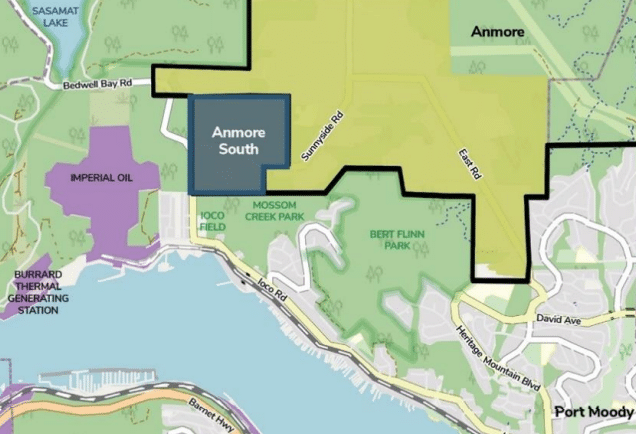
The Village of Anmore had been taking input from open houses, workshops, and online feedback from April 20 to June 30 regarding Icona Properties’ proposal to develop 151 acres on the municipality’s southern border.
Despite being the biggest development in Anmore’s history, less than five percent of Anmore’s approximately 2,600 residents have offered any engagement, said Mayor John McEwen.
Local news that matters to you
No one covers the Tri-Cities like we do. But we need your help to keep our community journalism sustainable.
“I’m kind of shocked by that. This is a significant change to the village,” McEwen said. “Get out if you want to have your say.”
A report on the first round of engagement was presented to Anmore council on July 16, summarizing the village’s three-month effort to consult with the community.
Two open houses and four workshops were held in order to consult and inform residents about Icona Properties’ application to amend Anmore’s official community plan, as well as the municipality’s own neighbourhood plan.
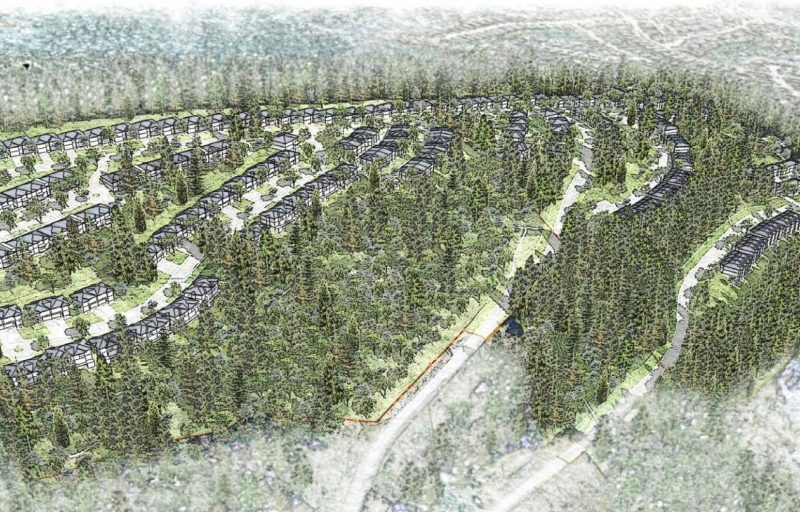
The proposal has pitched re-designating the large development site from rural to urban in order to construct up to 3,500 units, in a broad mix of single-family homes, and multi-family buildings with commercial components. Build-out is expected to take 25 years.
It will require an update to Metro Vancouver’s Regional Growth Strategy, as well as amendments to Anmore’s zoning bylaw.
The first round of community engagement was meant to gauge the broader community’s initial priorities and concerns towards Icona Properties’ vision for Anmore South – but not many residents bothered to take part.
While 150 residents participated in the first open house in May, only 37 attendees showed up to a second technical open house in June, and 54 residents in total came to four workshops in June. Only 33 residents completed online feedback forms, while another 10 emails were sent directly to staff.
“I thought it’d be much greater,” McEwen said. “I’m hoping things are going to change.”
Among the residents who did participate, there was little consensus to be found, according to Therese Mickelson, a consultant hired to conduct the community engagement.
Mickelson said that there was a mix of support for Icona Properties’ proposal, as well as outright opposition to changing the rural designation. She said the most challenging aspect of the engagement were residents’ “strong feelings,” though she noted the discussions were largely respectful and productive.
“Most of the participants did recognize that the Anmore South property would be developed, and that the owner has the right to develop their property,” Mickelson said. “But when it comes to what that looks like, there’s quite a mix.”
Traffic and environmental impacts were some of the top themes that arose throughout the engagement process, according to Mickelson, adding discussions had a heavy focus on the trade offs between density and protecting green space.
Coun. Paul Weverink said any development of this size is going to come with traffic concerns, but he was glad to see numerous comments supporting a third road connection to Port Moody.
“That needs to be on the books for the future,” Weverink said. “I don’t think Anmore is gonna have a traffic problem, Port Moody is going to have a traffic problem.”
Residents who participated in Anmore’s engagement process are eager to get more details from the neighbourhood plan and land use scenarios that are going to be proposed, said Mickelson.
Icona Properties will be taking the feedback to help develop its land use plan; when completed, a second round of community engagement will commence. Anmore’s neighborhood plan, meanwhile, will require a raft of assessments measuring the impacts to traffic, municipal infrastructure and the environment.
“There’s a lot more work to be done before any decisions are made,” Mickelson. “We are in the early stages of this planning process.”
Coun. Kim Trowbridge said people opposing developments tend to be the most vocal during community engagement, stating he was encouraged by how much positive feedback was received.
“This is quite balanced, there’s quite a bit of support,” Trowbridge said.
Author