Letterbox: Pinnacle Ridge project works with hillside, protects Mossom Creek, developer assures
We recently published a letter-to-the-editor from the Burrard Inlet Marine Enhancement Society that raised several concerns over the proposed Pinnacle Ridge development, particularly regarding potential harm to Mossom Creek. This letter from Christen Luxury Homes owner Tony Barone contends the development is shaped by respect for the hillside.
Dear editor,
Anmore is a special place – close to nature and shaped by a strong sense of community.
Local news that matters to you
No one covers the Tri-Cities like we do. But we need your help to keep our community journalism sustainable.
The landscape isn’t just a backdrop here – it influences how people live, creating a feeling that the community fits into the land, not the other way around.
The recent atmospheric river and the mudslides in the Tri-Cities have been a powerful reminder of that. In a place like Anmore, how we build matters just as much as what we build. That understanding has guided the proposed Pinnacle Ridge Hillside development from the very beginning.
This land has long been designated for residential use, so the question has never been whether it will be developed, but how – including how the land and environment will be protected.
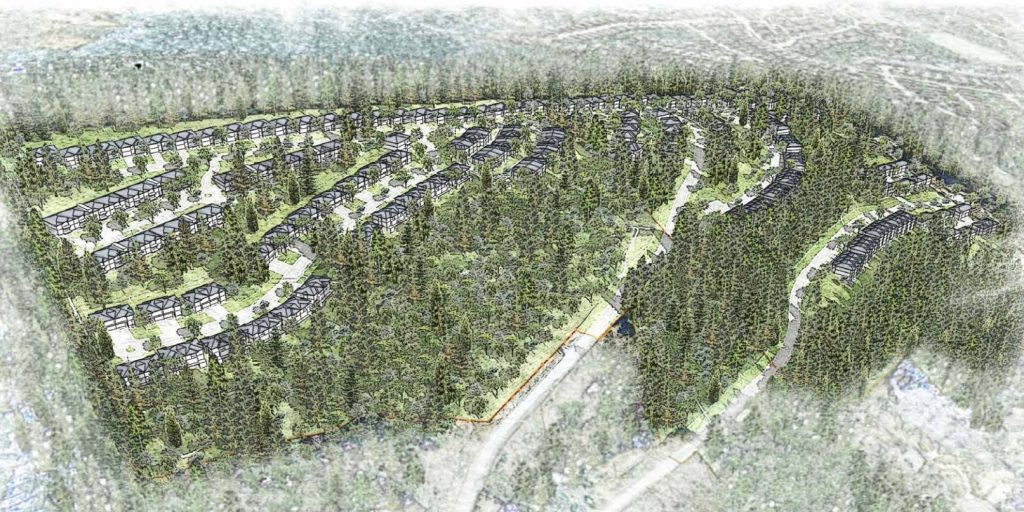
The current proposal is for 269 homes built gradually over 10 years, including single- family homes, semi-detached homes, and townhomes. It does not include high-rises or apartment buildings. The scale reflects the kind of measured, low-density growth that aligns with Anmore’s semi-rural character.
From the outset, the plan has been shaped by respect for the hillside. Homes will not be placed on the steepest areas. Development will be clustered to reduce disruption to the land and ensure the rich, green view from the bottom of the ridge doesn’t change. Our proposal preserves greenspace, includes a new active park, view points and adds new trails that connect into the network people already use.
The goal is to work with the landscape, not against it.
That same approach applies to ground water management. The plan follows modern, proven standards to carefully manage runoff and control how water drains across the site. Engineering assessments show the hillside is underlain by dense glacial till, providing strong natural stability.
To further manage runoff, the design includes uphill interceptor ditches, robust erosion and sediment controls, and stormwater management systems built to handle prolonged periods of heavy rain – including severe atmospheric river conditions. Underground detention systems will also slow and control runoff so that post-development flows match pre-development levels, protecting downstream areas like Mossom Creek and meeting village requirements.
This kind of planning has been integral to the proposal from the start. Ensuring the site remains safe and stable for the long term – even during periods of significant rain, is work that has been part of the technical review and engineering from the beginning, not something added later as an afterthought.
That kind of quiet work doesn’t always get attention, but it is fundamental to whether a proposal fits a place like Anmore and will make a safe community that will last for future generations.
The Village’s Housing Needs Assessment also identifies a need for 756 new homes over the next 20 years. This proposal delivers less than half of that, and it does so gradually, over a decade.
Behind those numbers are real people and families who want to stay in the community, and seniors looking to downsize without leaving Anmore. Right now, those options are limited.
This proposal begins to address that in a way that aligns with the character of the community. It adds housing choice without introducing a scale or form of development that would feel out of place.
It also brings long-term financial benefits. Independent fiscal impact analysis shows the project would contribute positively to the Village’s finances, helping support services without adding pressure on existing taxpayers.
What often gets lost in the conversation is the alternative. If this proposal does not move forward, the land will not remain undeveloped. Another proposal will come forward. It may take a different approach to density, form, or servicing. It may not reflect the same intent to fit within Anmore’s character.
That’s why this moment matters.
This is not a choice between development and no development. It is a choice about what form of development is right for Anmore.
Throughout this process, we’ve made it a priority to share information, answer questions, and listen to feedback from members of the community. That matters to us, and it will continue.
Because getting the hillside right is something we do together.
Tony Barone,
Christen Luxury Homes Ltd.