Coquitlam signs off on B.C.’s new development rules, even though: ‘It won’t work’
With a deadline set by the province approaching, Coquitlam council unanimously and begrudgingly amended the city’s rules around density bonuses to align with provincial legislation at Monday’s meeting.
The new system effectively overhauls high-density zones in Coquitlam and sets strict rules around rental incentives and the city’s density bonus system.
Coun. Dennis Marsden thanked city staff for adapting as best as possible to what he characterized as poorly thought-out legislation.
Local news that matters to you
No one covers the Tri-Cities like we do. But we need your help to keep our community journalism sustainable.
“You have made chicken soup out of chicken crap,” he said. “I’m not confident that the current format – especially in today’s market – is going to work.”
The rest of council agreed.
“It won’t work in this market, it won’t work if the market continues to improve,” said Coun. Robert Mazzarolo.
Setting a minimum density that varies by zone will boost construction costs and ultimately result in less housing being built, Mazzarolo predicted.
He also noted that senior levels of government are “contemplating bailouts” for major developers.
“They made a mess of this and they’re going to clean it up with taxpayer money,” he said.
While housing is still being built in the city, housing starts have declined sharply, said Mayor Richard Stewart.
“We have less housing being built now that the province has fixed it,” he said.
From 2018 to 2026, Coquitlam council approved more than 34,300 units of housing including close to 6,000 market rental units and more than 2,000 below- or non-market units.
Recently, many developments have struggled to get financing due to higher construction costs, a drop in demand, and “high levels of unsold inventory,” according to a city staff report.
While the previous method was fairly flexible, the new system caps extra density built in exchange for market rental housing.
Under the previous system, bonus density money went toward affordable housing as well as community benefits like infrastructure, childcare, parks, or public art. The new approach mandates bonus density money goes only to affordable housing.
In his comments, Coun. Steve Kim emphasized the importance of getting affordable housing built as opposed to taking cash-in-lieu.
However, builders on small sites might be more likely to offer cash-in-lieu, according to a city staff report.
The change also means also means Coquitlam’s high-density zones will be divided into four new high-density zones: Residential, Mixed-Use, Transit-Oriented, and Urban Centre – each with their own rules around density.
The Urban Centre zone would have the highest possible density, with a maximum floor-area ratio of 7.0. The floor area ratio – which measures a building floor space against its lot size – would also have to include employment generating space amounting to a FAR of 1.0.
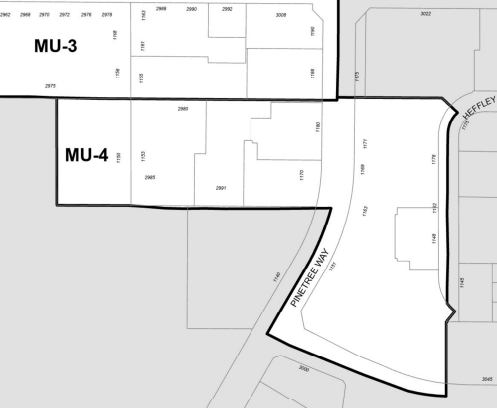
Transit-Oriented would have a maximum FAR of 6.5, while Residential would top out at 5.5 and Mixed-Use would be limited to a maximum FAR of 5.0.
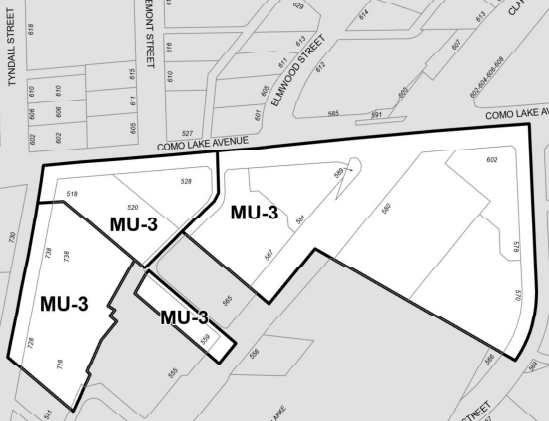
The formula is based on providing some space for employment and offering bonuses for non-market or below-market housing.
Council has been highly critical of the legislation in the past few years, characterizing the province’s approach as being counterproductive, overly-prescriptive, and lessening the city’s negotiation leverage.
Discussing the issue in 2024, Coun. Brent Asmundson predicted the province’s strategy would fail to help the people who need it most.
“I also think that this government has been duped by UDI [Urban Development Institute], development industries and other, to thinking that if we reduce fees and charges by local government, that housing prices will go down.”
Author