Coquitlam SAR volunteer reflects on wildfire devastation in Newfoundland
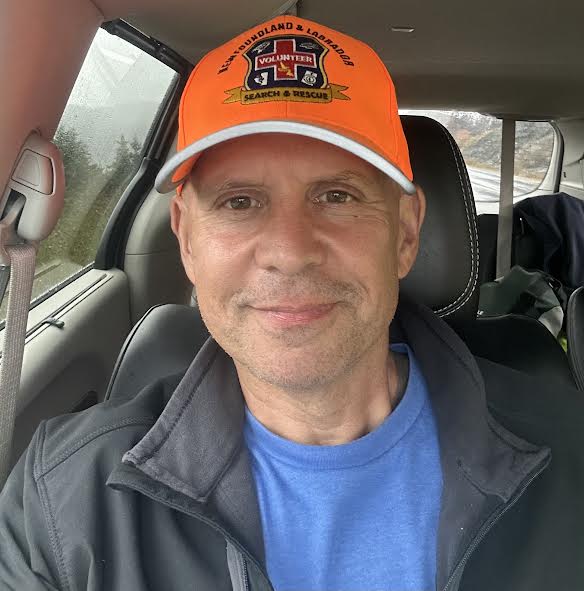
In the last week of August, as one of three Newfoundland wildfires swelled to more than 10,000 hectares, the former schoolteacher headed east.
James Carlson had spent decades teaching at elementary schools across the Tri-Cities before wrapping up his career at Mary Hill Elementary in 2022. He stopped working – sort of.
“I was retired for a week,” Carlson says with a chuckle.
Local news that matters to you
No one covers the Tri-Cities like we do. But we need your help to keep our community journalism sustainable.
After seven days of ease and leisure, Carson joined Coquitlam Search and Rescue.
“It seemed kind of cool. They’re always driving around in cool trucks and in boats and helicopters,” he says. “Although that’s not really what we do.”
A central tent of search and rescue is that you go where you’re needed. Amid another devastating wildfire season, they were needed in Newfoundland.
Carlson had volunteered to join a humanitarian workforce that mobilizes during large-scale emergencies.
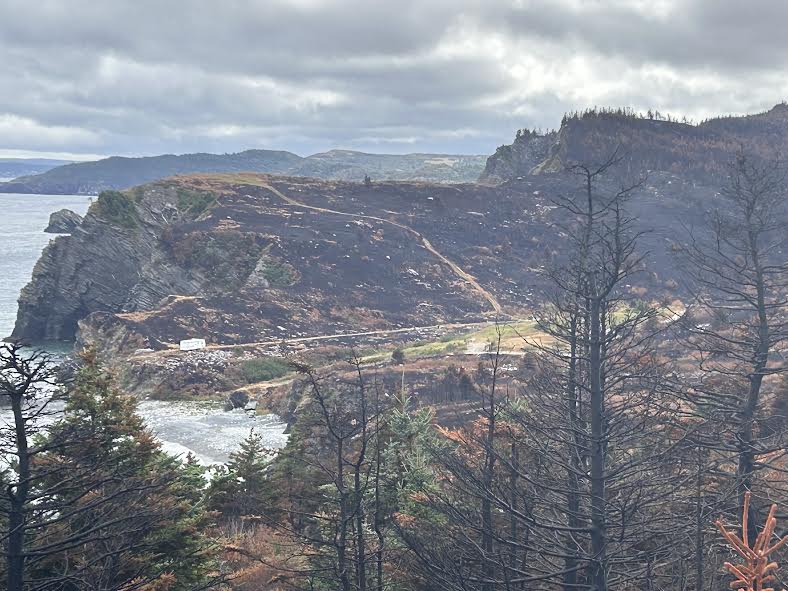
He arrived in Newfoundland during the last week of August. What he saw was devastating.
“I’ve thankfully never been in a war zone or near one, but I can only imagine that’s what a war zone would look like.”
There were spools of wire on the side of the road where telephone poles had caught fire .
“That was humbling and sobering.”
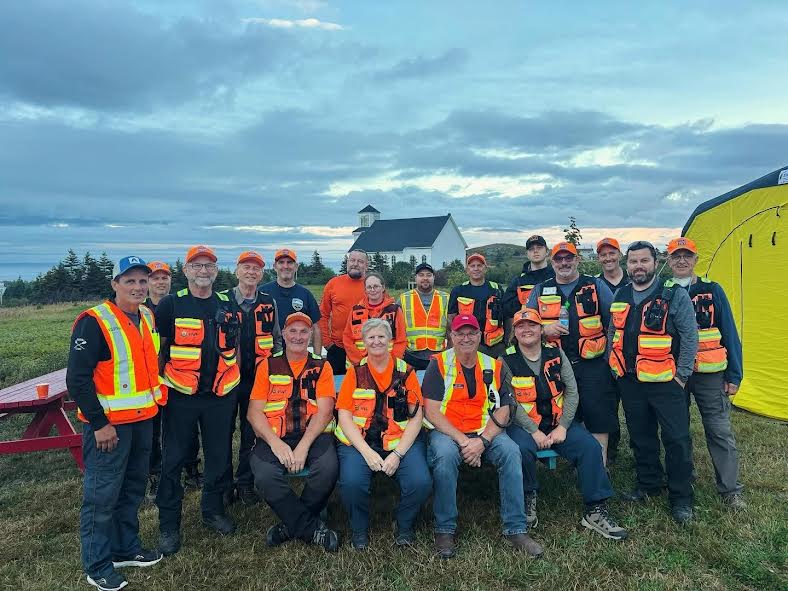
Carlson was part of a team working 12-hour days and sleeping 75 kilometres away at a Seventh Day Adventist summer camp.
Carlson’s job was to maintain blockades in Kingston, make sure houses were evacuated, and to check on residents returning to their homes, most of which were 1,200 square foot getaway cottages that had been without power for a month.
At that point, the fridges were approaching biohazard status. Freezers had to be hauled to the curb and food stuffed in contractor bags.
But even while a putrid smell hung in the air and the landscape was “painted black with soot,” the Newfoundlanders remained kind and determined, Carlson says.
“They are, beyond a shadow of a doubt, the strongest and the toughest and the most loving people I’ve ever come in contact with.”
The initial offer of help was invariably met with: “No, we’re fine.” After that, Carlson would try to get people who had lost so much to at least take some water. “We can’t take that,” they’d say. “That’s too much.”
After that, when the trash was hauled and the water was delivered, there was an outpouring of gratitude.
Carlson recalls one women saying: “Oh my stars, you’ve come all the way across the country to help us? You are sent from heaven.”
“No, no. I’m sent from B.C.,” he replied.
For Carlson, the worst moment was seeing “a big strapping guy” kneeling in the ashes and soot. He was inconsolable.
Carlson and some other volunteer talked with the man’s wife who explained that her husband was kneeling in the ashes of the house where five generations of his family had been born. He was the last.
The neighbour’s house, which was so close ““you could almost pass a cup of sugar through the window,” had been reduced to a stainless steel sink and rocks from the chimney.
“Four or five homes, all family, all gone,” Carlson says.
The homes all had electrical and plumbing that wasn’t up to code. No one had insurance.
They don’t know how they’ll rebuild, Carlson says. But they’re determined that they will.
“It stokes your faith in humanity,” he says. “That’s why I’ll go back.”
Author