Port Moody council candidates answer your questions

There are 16 candidates including five incumbents campaigning for six spots on Port Moody city council.
A total of 13 candidates responded to this questionnaire before deadline. Incumbents were asked to list what they were most proud of from the previous term. Non-incumbents were asked to name one decision from last term that they would have done differently.
Candidates were asked to limit their responses to approximately 100 words per question. Answers that dramatically exceeded that limit were edited.
Local news that matters to you
No one covers the Tri-Cities like we do. But we need your help to keep our community journalism sustainable.
Editor’s note: The initial questionnaire sent to candidates incorrectly referenced a 4.25 percent property tax increase. The article has been amended to reflect the actual increase, which was 3.95 percent.
Sebastian Moon

How long have you lived in Port Moody?
My whole life. I went to school here, made my lifelong friends here, and started my business here. Port Moody isn’t just where I live. It’s the community that shaped me, and I want to make sure the next generation can grow up here, afford to stay here, and build their lives here too.
Is Port Moody adding the right mix of housing? Why or why not?
No. Port Moody is focusing almost entirely on high-rise towers, and we’re rezoning industrial land for residential use when we should be keeping it to diversify our tax base. We need family-sized homes like townhomes, duplexes, triplexes and low-rise buildings spread across our neighbourhoods. We want to attract families who will put down roots and be part of this community, and right now we aren’t building homes for them.
Port Moody is planning for significant population growth over the next several decades. How much growth do you believe the city should accommodate, and where should that growth be concentrated?
The OCP needs to be revisited. Planning for 74,300 residents isn’t realistic without the roads, services and tax base to support it. I’d set a more achievable target that grows alongside our infrastructure and our local economy, not ahead of them. Growth near SkyTrain makes sense at the heights provincial law requires. Beyond that, I’d focus on gentle density across established neighbourhoods so growth is shared, not stacked in a few towers.
What should Port Moody’s minimum expectation be for affordable housing in major developments, and under what circumstances should council accept less than its policy targets?
We should start by asking: affordable for who? CMHC defines affordable as spending no more than 30% of pre-tax income on housing. A unit 15% below market isn’t affordable for a senior living alone, a young person starting out, or a single-income family. I’d hold developers to meaningful targets tied to real incomes, and partner with non-profits, co-op developers and community land trusts to deliver housing that stays affordable. We should also make full use of provincial tools that let us waive or reduce development charges for non-profit affordable housing. Council should only accept less than policy targets when the trade gets us deeper, permanent affordability, such as fewer units at truly affordable rents, or land transferred to a non-profit or land trust, and that decision should be made openly.
How should council balance new housing with the preservation of employment and industrial land?
Industrial land, once rezoned, is gone for good. It’s also what keeps the tax burden off homeowners. This term, council approved residential towers on industrial land that provincial law didn’t require. I’d protect our remaining industrial and employment lands and actively recruit clean tech and life sciences, including a post-secondary satellite campus and research partnerships with local universities. That brings local jobs, research and revenue. We also need to streamline the business approval process and offer translation support for business owners whose first language isn’t English, so Port Moody becomes an easy place to open and grow a business.
Do you support the scale and density currently envisioned for Moody Centre and Inlet Centre, including towers potentially exceeding 26 storeys? Why or why not?
No. Provincial law (Bill 47) requires us to allow up to 20 storeys near SkyTrain stations. I’d bring our plan back to that. We’d still collect development and amenity cost charges. What we’d give up is the extra density bonus, and I believe we can make up that revenue by growing industry and our local economy instead of building ever-taller towers our roads and services can’t support.
What’s the biggest transportation problem in the city and what should be done about it?
Our road infrastructure hasn’t kept up with growth. Not everyone can take transit. Trades workers need their vehicles, and parents drive kids to daycare and activities. Council approved widening the Ioco overpass against staff’s recommendation. Widening quickly tends to invite more traffic, a well-known effect called induced demand. It may be cheaper in the short term, but staff’s recommended option was the more sustainable long-term solution. I’d make infrastructure decisions based on long-term value and expert advice, and make sure roads and transit keep pace with every new development we approve.
What is one thing city council has done this past term that you would have done differently?
I would have kept the Flavelle lands for industry and park space instead of planning for residential. We need to build our industrial tax base, not shrink it. More broadly, I wouldn’t have approved towers beyond the 20 storeys provincial law requires, or residential development on our industrial land.
Do you accept campaign contributions from developers?
My campaign is funded by friends and family, people who know me and believe in what I’m doing for Port Moody.
Port Moody recently approved a 3.95 percent tax increase. Given service levels in the city and asset maintenance requirements, is that too high, too low, or reasonable?
Too high. Residents have seen roughly 28% in cumulative tax increases over four years, and wages haven’t kept pace. Most families’ pay isn’t going up [3.95 percent] a year. The city needs to manage its finances better: review spending line by line, prioritize core services and asset maintenance, and grow non-residential revenue through business and industry so homeowners aren’t carrying the whole load.
Is the city doing enough to protect trees and waterways?
Port Moody does a fairly good job today, but the pace of development puts that at risk. Every new project means less green space, and construction runoff can carry pollution into our creeks and Burrard Inlet, affecting fish and wildlife. I’d strengthen enforcement of tree protection and erosion and sediment controls on construction sites. I’d also partner with local post-secondary institutions on research into the Inlet’s ecosystem and sea level rise, so we use real data to guide where we build and where we expand parks.
How should the city address homelessness?
Port Moody is fortunate to see relatively little homelessness compared to the rest of the Tri-Cities, but we’re not immune to it. Homelessness is a regional issue, and the root causes, including housing affordability, mental health and addiction, need solutions from the federal and provincial governments that go beyond what a municipality can fix on its own. Port Moody’s role is to work with our Tri-Cities neighbours, advocate for our fair share of support from senior levels of government, and make sure people in need are treated with dignity and connected to the right services.
Would you support the city allowing Flock/Axon type surveillance cameras?
Not without meaningful public input first. These systems raise real questions about privacy, data storage, who has access and how long information is kept. Residents deserve a clear say before council makes any decision. If the community supported it, I’d want strict rules on data retention, access and transparency, plus regular public reporting on how the technology is used.
What should be council’s top priority for next term?
Two things that go hand in hand: fixing our road infrastructure, and attracting more business and industry. A stronger commercial and industrial tax base means we can invest in roads and services without loading increase after increase onto homeowners. My goal is to bring property tax increases down, not keep pushing them up.
Why should residents vote for you?
I’m a lifelong Port Moody resident who has built something here. I co-founded a Canadian supplement company and took it from an idea through product development and Health Canada approval. I know what it takes to manage a budget, navigate regulations and make every dollar count. As a first-generation Canadian with a Norwegian mother and a Korean father, I understand what it’s like to build a life here and want every community to feel heard. I’ll bring a business owner’s discipline to city finances, protect our industrial land and green space, and push for housing that’s actually affordable for the families who want to call Port Moody home.
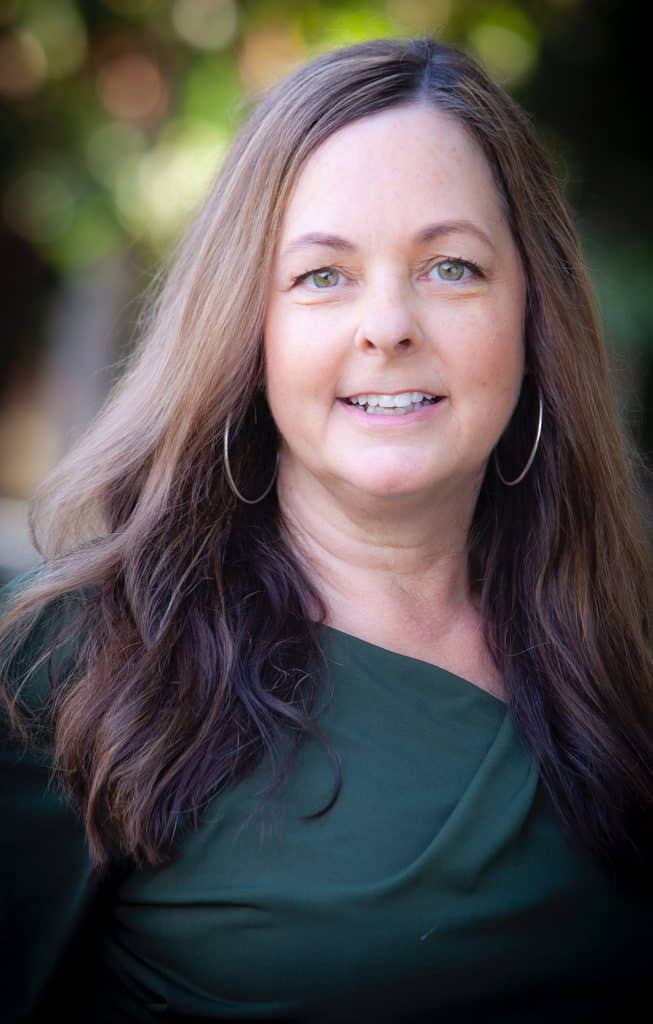
Diana Dilworth (incumbent)
How long have you lived in Port Moody?
My family moved into Mountain Meadows in 1991, we moved into a Noons Creek townhouse in 1999 and I downsized into Newport Village in 2022. Living in a diversity of housing forms has given me an appreciation for what our community wants and needs in terms of current and future housing.
Is Port Moody adding the right mix of housing? Why or why not?
With the permanent designation of over 300 acres of the north shore forested lands as parkland, we no longer have space for single-family home building so moving into the development of duplexes, triplexes, townhomes, laneway homes and apartments helps provide homes for the “missing-middle,” and those wanting home-ownership. Rental rates have been dropping for two years which supports the construction of more purpose-built rental homes. We have more opportunity to provide for more non-market and co-operative styles of housing negotiated with developers or by providing land and waiving all development fees to make that happen.
Port Moody is planning for significant population growth over the next several decades. How much growth do you believe the city should accommodate, and where should that growth be concentrated?
Council has asked staff to come back with options to decrease the proposed population between now and 2050 which our Official Community Plan is based on. The City is challenged with expected population growth and housing targets from both our regional and provincial government, which Council has been pushing back against. I do believe that our future growth should be focused around our two Skytrain stations with more gentle density outside of those areas.
What should Port Moody’s minimum expectation be for affordable housing in major developments, and under what circumstances should council accept less than its policy targets?
New Provincial guidelines have driven the City’s policy of new developments to include 15% of affordable housing. Additional city policy dictates the tenure of affordability and requirement for family-friendly homes. Inclusionary zoning is a minimum expectation but has been reduced in applications where the city receives amenity contributions that exceed expectations and provides for things like park and gathering spaces, childcare, pedestrian overpasses, daylighting of creeks or recreational facilities such as a senior centre or new library facilities.
How should council balance new housing with the preservation of employment and industrial land?
Council has made the decision to preserve the western portion of Murray Street as employment and light industrial zoning, with the Flavelle oceanfront proposal including new light industrial space, expanding the length of Murray Street. Additionally the old Andres site, which previously had been designed as residential/commercial is now returning to its roots as an industrial site, with the old Reichold site sitting vacant as major industrial next door. There is still opportunity for the expansion and inclusion of additional light and major industrial space within the City.
Do you support the scale and density currently envisioned for Moody Centre and Inlet Centre, including towers potentially exceeding 26 storeys? Why or why not?
The City’s Official Community Plan calls for a maximum of 26 storeys in our Transportation Orientated Areas, which I support. I also support additional density if commensurate density bonus funding and significant amenities, above and beyond expectation, are provided for the community. The City is building far below what our neighbouring communities are and trying to find a balance between TOA density and missing middle housing. We cannot force developers to build what we want but we can negotiate to get what our community needs and wants.
What’s the biggest transportation problem in the city and what should be done about it?
Bottlenecks and pinch points. I believe that a good plan is in place for the Barnet/Ioco/Dewdney location with the widening of road ways and provision of additional lanes, with other bottlenecks at Guildford/Murray/Ioco and the Moody Street overpass. We can also make it uncomfortable for traffic from other municipalities to use our City as a throughway and motivate them to use other traffic corridors including Highway 1 and other routes through our neighbouring communities. The City has a strong long-term TransPort Moody Action Plan.
What achievement are you most proud of from the previous term?
The development of the Council Strategic Plan which provided for a clear vision focusing on sustainable core services, health community development, a resilient natural environment and a vibrant prosperous community. It provided a clear framework for both Council members and staff and guided many of the successes we have seen in the past four years and lays a foundation for future Councils as well. Tremendous success has been achieved in completing many of the plans and projects contained within and has provided the foundation for an evaluation new proposed projects through the lens of “is this in our strategic plan?”
Do you accept campaign contributions from developers?
Elections cost money and candidates cannot self-fund their own campaigns. The BC Supreme Court has confirmed the legality of contributions of those that are involved in the homebuilding sector and I have always accepted financial and in-kind contributions from family, friends, residents, business owners and those doing business in the City from the private sector, including those that build the much-needed housing in our community. We need to stop demonizing homebuilders and work collaboratively to provide the housing and amenities that our community needs and wants.
Port Moody recently approved a 3.95 percent tax increase. Given service levels in the city and asset maintenance requirements, is that too high, too low, or reasonable?
After years of recovering from an austerity/pandemic budget which removed staff positions, operations and city events and resulted in lower tax increases for the last Council. Much of that needed to be re-instated in the budget causing uncomfortable increases. We are back on track now. The City’s annual Asset Management levy of 1% has been an established means of securing funds to accomplish much of the City’s Asset Management Investment Plan (June 2026).
Is the city doing enough to protect trees and waterways?
The city has been doing a fabulous job with its Tree Protection bylaw and Environmental Sensitive Areas (ESA) bylaws. I’m proud to say that Port Moody ranks third in the region with a city-wide tree canopy coverage of 58%, much higher than the average. There is concern in the community about potential changes to the ESA bylaws impacting property rights, which current Council has pushed back against and maintained status quo.
How should the city address homelessness?
Homelessness is a regional and provincial issue and should be addressed as such. The Tri-Cities municipalities can only do so much and have collaboratively been asking the Province to provide additional land and funding to address homelessness and those at risk of homelessness. In response, the Provincial government is insisting that city lands be used for homeless shelters and supportive living facilities, all while sitting on 25 acres at the Eagle Ridge Hospital site and 244-acres at Riverview.
Would you support the city allowing Flock/Axon type surveillance cameras?
The Port Moody Police Department rolled out the use of Axon surveillance cameras with a small group of frontline officers earlier in 2026, which I support. I believe that the use of body cameras provides an additional layer of safety for both officers and those that they interact with and provides for a clear record of events and can increase public trust.
What should be council’s top priority for next term?
- Reviewing what our core services are and walking back from wants to needs, removing projects that are not directly related to the core services that local governments are mandated to undertake
- Planning sustainably for civic infrastructure balanced with a proposed population increase and housing growth targets.
- Acquiring and enhancing park space across the City so that families and residents can recreate in their own neighborhoods and not have to get into cars to access park and recreation space.
Why should residents vote for you?
The role of an elected official is to listen to the community, work hard to understand the issues, identify solutions and ensure that decision-making is in the best interests of Port Moody. It is also about engaging with residents and business owners to bring forward positive action on their behalf. I believe that I have met those expectations over the years and ask our residents to continue to trust in me. I have always been driven by a sense of service and have been honoured to have been a part of shaping our beloved community over the past two decades.
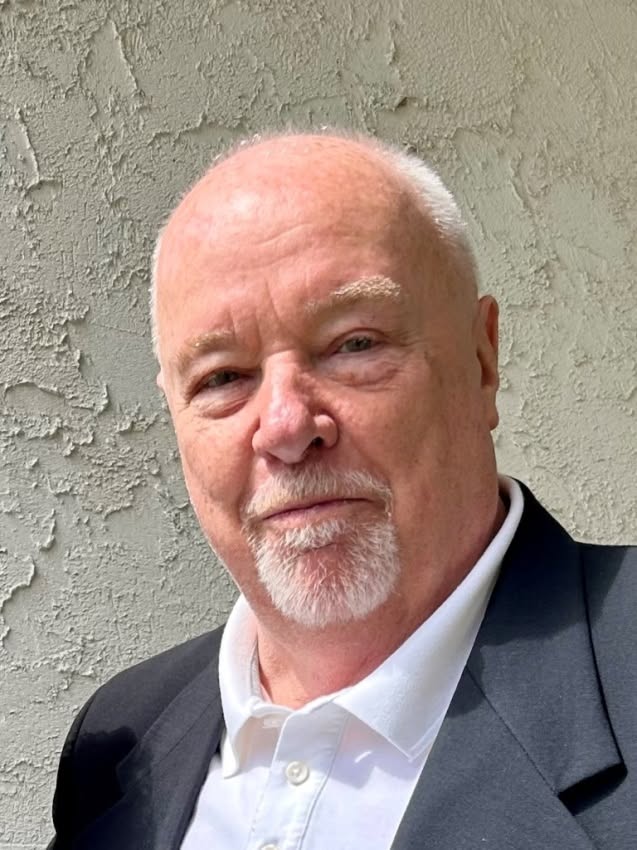
John Grasty
How long have you lived in Port Moody?
Over 20 years, and 17 years in Coquitlam before that.
Is Port Moody adding the right mix of housing? Why or why not?
Port Moody must shift from one-size-fits-all market condos and single-detached homes toward a deliberate, diversity-driven housing strategy that considers a shrinking household size and the fastest-expanding demographic in Port Moody, being seniors. This doesn’t negate the need for family-friendly “missing middle” housing in the mix for all residents to stay in the community they love.
Port Moody is planning for significant population growth over the next several decades. How much growth do you believe the city should accommodate, and where should that growth be concentrated?
See above. Urban typologies are suitable for transit-oriented development, with a mix of smaller-scale “missing middle” housing elsewhere.
What should Port Moody’s minimum expectation be for affordable housing in major developments, and under what circumstances should council accept less than its policy targets?
If a project gets blocked because of a requirement to build brand-new subsidized housing, then nobody wins. I support the current approach of setting a clear expectation while providing for flexibility to ensure that housing still get built.
How should council balance new housing with the preservation of employment and industrial land?
Mixed-use development. New development should provide flexible, high-quality commercial space to support employment and commercial amenities for residents.
Do you support the scale and density currently envisioned for Moody Centre and Inlet Centre, including towers potentially exceeding 26 storeys? Why or why not?
Taller and thinner towers can actually have less visual impact than solid blocks of shorter buildings. We need to be able to negotiate the best deal on each site, instead of getting stuck with the provincial government minimum on each site which is what Port Moody Voice is proposing.
What’s the biggest transportation problem in the city and what should be done about it?
The biggest problem identified for decades was a lack of rapid transit service, which was fixed nearly 10 years ago with the opening of the Evergreen Line. Unfortunately, the political games of slate politics have stopped Port Moody from appropriately shaping transit-oriented communities around it.
What is one thing city council has done this past term that you would have done differently?
Communicate their successes; they don’t blow their own horn.
Do you accept campaign contributions from developers?
I only accept lawful donations from individuals who live in BC, and I do not discriminate based on occupation (Developer donations are illegal, just like all corporate and union donations).
Port Moody recently approved a 3.95 percent tax increase. Given service levels in the city and asset maintenance requirements, is that too high, too low, or reasonable?
This year, City staff originally insisted that a 9.95% tax increase was necessary to preserve service levels and meet the priorities of residents. Council should be commended for fighting to get it lowered to [3.95 percent].
Is the city doing enough to protect trees and waterways?
I’m proud of Port Moody’s tree canopy and I support ongoing enhancement efforts. Waterways should of course be protected without returning to the 2018-2022 council’s disastrous “ESA” initiative which would have undermined property rights across the city.
How should the city address homelessness?
Social services are explicitly a provincial responsibility. Taxpayers expect us to stay in our lane. We also know that “low barrier” shelters like 3030 Gordon have been disastrous, and unlike Port Moody Voice, I oppose the provincial government’s attempts to put one on St. Johns Street.
Would you support the city allowing Flock/Axon type surveillance cameras?
I support the right to privacy.
What should be council’s top priority for next term?
Moving forward to deliver transit-oriented housing growth that carefully balances high-density development near transit hubs remains the priority.
Why should residents vote for you?
Residents rejected big-city party politics in Port Moody before, so by voting for independent candidates they will once again stop the slate politics (of the Port Moody Voice).
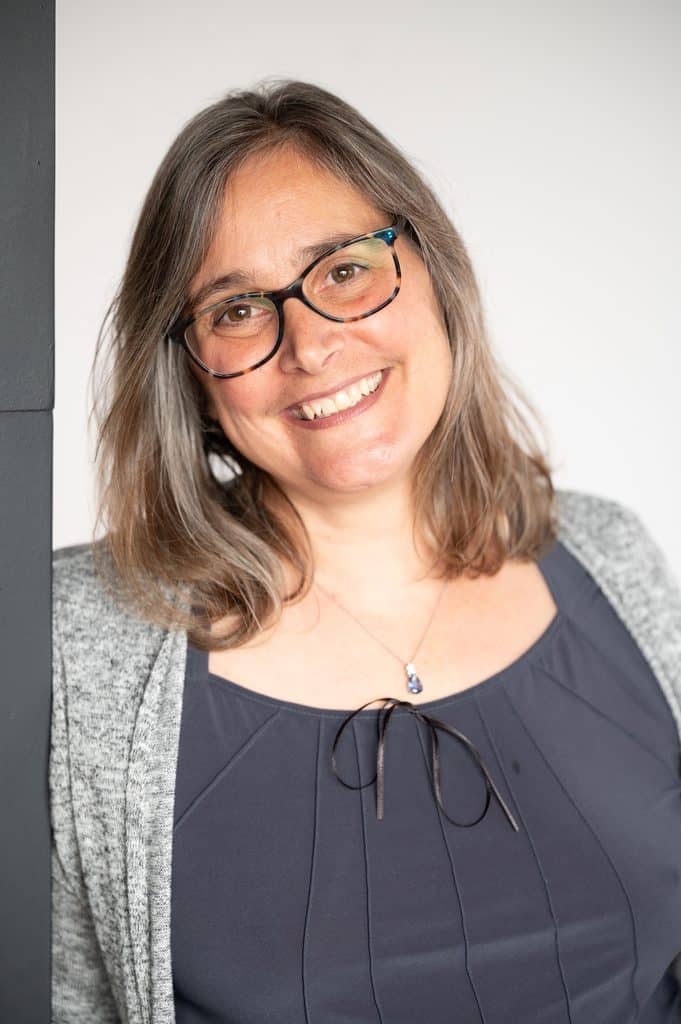
Tracey Schaeffer
How long have you lived in Port Moody?
I’ve lived in Port Moody since 2017.
Is Port Moody adding the right mix of housing? Why or why not?
Port Moody needs affordable housing for young adults, seniors, families and those working singles who want to stay in the city where they were raised. So, basically, everyone who can’t make a down payment to purchase a home or attain the credit for a mortgage.
Senior specific housing near the ground level and walking distance from shops and amenities is vital for the health and well-being of our seniors. I am also deeply interested in creating affordable rentals and homes in Port Moody. The challenge will always be how do we pay for it.
Port Moody has approved an Inclusionary Zoning Plan for below market units. These units need to include family friendly units as well as single resident homes. Port Moody needs so many things, and council has sometimes had to choose to accept other concessions in lieu of affordable housing. My goal on council is to make sure that we stick to this plan. I think that the units that are being built here must serve the people they are being built for. So, as a community we need to go into every conversation about design/unit make up with this filter.
Port Moody is planning for significant population growth over the next several decades. How much growth do you believe the city should accommodate, and where should that growth be concentrated?
I am concerned about the speed in which our city is growing, but I also know that there are factors that are driving that speed that the city cannot control. What we can control, for the most part, is where we want to encourage this kind of growth and what it looks like.
How do we plan for it? In the planning phase, we must make sure these new neighbourhoods are self-contained. What I mean by that is that these places need to have the amenities, services and some of the recreational space that are necessary for everyday life.
If we are adding 500 units to an area, but this development doesn’t contain significant recreation space, amenities or doesn’t house any of the retail that we know these people will need, then each and every one of these new residents are going to have to use our roads, community centres and libraries from Day One.
What should Port Moody’s minimum expectation be for affordable housing in major developments, and under what circumstances should council accept less than its policy targets?
Port Moody has an Inclusionary Zoning Plan which requires multi-family developments to include up to 15% of the units above the density limits set by the OCP. This plan is to make these residential units into non- and below-market housing units in rental units. Right now, this policy is triggered with buildings that have a Floor Area Ratio of 2.0. So, that usually means buildings with 3 or more stories. BUT! Projects that have fewer than 30 units can apply be exempt or given flexibility to pay cash-in-lieu to the city’s Affordability Fund.
I’m concerned about that flexibility. I also believe we should explore a policy where we match the number of affordable homes lost for each build and replace them.
How should council balance new housing with the preservation of employment and industrial land?
Housing and Industry seem like they are competing forces but have similar needs: transportation access, services and amenities for the people that use them, etc.
We should explore using Mixed Use Zoning to advantage the city. We can allow residential development over top or near light industrial zones. These designs can be challenging for our development community, having robust requirements for ventilation, transportation and noise control; done by other cities with interesting results.
Do you support the scale and density currently envisioned for Moody Centre and Inlet Centre, including towers potentially exceeding 26 storeys? Why or why not?
I am not a fan of tower esthetics, but my primary concern and filter will always be planning for the amenities, services and transportation of the people already living here, now and in the future.
If we must add density, the best thing that Port Moody can do is to build density around mass transportation centers: Skytrain stations. One of my key goals is to create a 15-Minute-City where our residents can get the amenities that they need to live with in a 15-minute walk or cycle ride from where they live.
What’s the biggest transportation problem in the city and what should be done about it?
One the biggest concerns I’m hearing at the door is traffic on St. Johns.
Widening the bridge on St. Johns at Ioco and removing sidewalk space to alleviate rush hour congestion is a reasonable but temporary fix. The added space will eventually be occupied by commuters, bringing the same traffic and congestion.
I want to work with staff to find permanent alternatives to direct street traffic through some of the smaller arteries that run parallel to St. Johns for short local trips using traffic calming measures to keep speeds low and safe while discouraging commuter traffic and maintaining access to our local businesses and neighbourhoods.
I also want staff to explore and examine the use of peak-time transit lanes and priority lights for buses to make using transit easier and more convenient
What is one thing city council has done this past term that you would have done differently?
Generally, I am satisfied with how this council has conducted themselves. If I were to criticize anything, it wouldn’t be a problem in legislation but a weakness in communication and transparency.
We need to be able to access specific information on council member voting records, absences, and opinions and rationales as to how and why bylaws came to be easily to locate on the city website.
I want open communication more with our residents, so that residents can understand how our decisions get made. There should be a single page on the city website that offers this information. These kinds of small actions will add clarity to the actions of council, and hopefully, open trust.
Do you accept campaign contributions from developers?
My pledge is that I will not accept no more than $350 cash from any one person, other than my immediate family.
Developers are not the only industry that seeks to influence politics. I want residents to know that money won’t influence me. I want people to know that my opinions are my own. And yet, campaigns are expensive and so donations are necessary. So, I crafted my policy about donations with that in mind.
$350 seems like a reasonable limit because it’s attainable by anyone and small enough that I know it won’t have a hold over me.
No one person will ever have sway over my thoughts because of money. Anyone can talk to me and I will listen.
Port Moody recently approved a 3.95 percent tax increase. Given service levels in the city and asset maintenance requirements, is that too high, too low, or reasonable?
This was a difficult year for the residents of our city. [3.95%] property tax increase was high. For me, it was an extra $150.
But was it reasonable? How did it happen?
• Inflation is hovering between around 2.5%.
• In 2024, Port Moody entered into a new collective agreement with staff allowing for 3.5% increase compensation every year for three years.
• Our population has increased by 10% over the last 5 years, which added to our service needs.
The people of Port Moody clearly decided that it was a priority to maintain service, which means prices go up. These are the facts. Now, world events are driving prices up even more. As a council member, I know it is my responsibility to direct staff to manage our budget carefully and cut corners when we can do so without reducing our service and safety levels.
Is the city doing enough to protect trees and waterways?
Trees are important to our city. They cool us, filter the air and soil; and improve our wellbeing. I fully endorse Port Moody’s plan to maintain an overall 59% city-tree cover and the goal to increase the urban tree canopy to 31% by 2050.
Port Moody has a robust waterway and estuary protection policy, but I have concerns about the road pollutants that end up in storm drain run-off and ending up in the creeks and streams that feed our ecosystem. We need to continue to work on this.
Port Moody is doing a lot to protect our trees and water on public and private land. There is one area where there is uncertainty: what to do with Significant Trees that do not have protected status and are too large to be moved and small creeks and estuaries that are not deemed significant.
I would like to see Port Moody protect its canopy and waterways even more by tightening private-property rules, expanding permeable surfaces on public surfaces and boosting enforcement.
How should the city address homelessness?
There are two groups of people being affected by this issue: People who are vulnerable to losing their homes and the people who are unhoused. Port Moody needs a place to shelter our unhoused residents, but we also must catch those who are vulnerable to losing their homes.
To start, we need facts. How many people are affected. We need to know who is living without shelter, who is hidden without an address but living on people’s couches, and how many people are vulnerable to losing their homes.
This information will shape our strategy.
Then, let’s follow through on the vision set by our own inclusionary zoning guidelines. Finally, let’s strengthen these guidelines by asking staff to identify the number of low-rent or below-market units that we lose through development. Let’s replace them, unit for unit, at the same rent level corrected for inflation.
We are in difficult times, the city needs many things from our developer partners, it’s tempting to allow exceptions to get other things that we need, but we can’t let that happen. This must be a priority.
Would you support are city allowing Flock/Axon type surveillance cameras?
My short answer is no.
Using these types of surveillance cameras to monitor pedestrian and vehicle traffic for enforcement concerns me because we lack the necessary legal guardrails to maintain privacy rights and avoid misuse. Without these I do not approve their use.
BUT the city does use similar technologies now. Port Moody uses similar technology to monitor vehicle overstays for enforcement. Bylaw Officers oversee this technology, so humans are there to check for hallucinations and mistakes. So far, this level of technology has proven to be efficient and cost effective. We must continue to monitor of the differences in this technology and use it ethically.
What should be council’s top priority for next term?
Traffic and building quality of life but reducing the necessity for car trips by creating neighbourhood hubs where we can get what we need without a car while building community.
Why should residents vote for you?
I want to find a way to build community. Community spaces where people can gather for free, I want a park within a 10-minute walk from every resident. And I want to be able to get to these places, safely, without a car.
We don’t need an entire mall of gyms. We need convenience stores, places to get food fresh food in our community. We need to work with the development at the design phase to build flexible-sized spaces that kind house the stores that give us the services we need. And then maybe our local businesses will be able to afford to rent these spaces.
Then we can focus on our community and rebuild the trust and familiarity that makes us Port Moody, even as we grow.
Callan Morrison (incumbent)
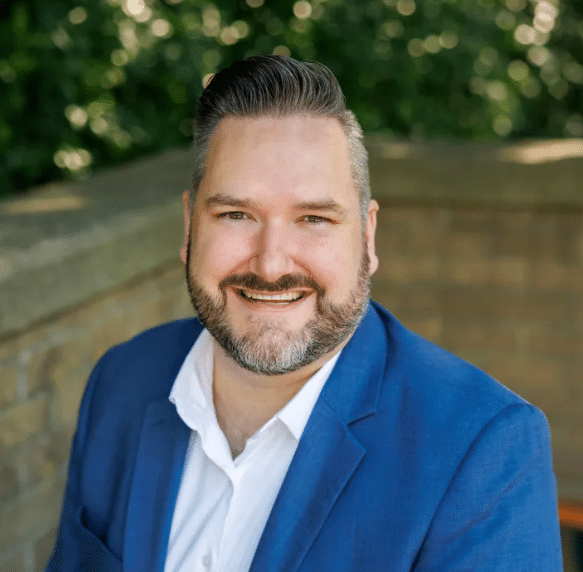
How long have you lived in Port Moody?
Proud Port Moody Resident for 27 Years. I attended Middle and high school here in Port Moody and bought my first home in Newport village where I live with my wife and two young daughters
Is Port Moody adding the right mix of housing? Why or why not?
The development industry is in a tough spot and a very limited number, and type of dwelling types are viable at this moment unless there is significant provincial investment. I believe Port Moody suffers from a lack of townhome options, which is a housing type I will gladly support, but the housing bills have made the land that was once envisioned for townhome and family housing now eligible for 8 & 12 storey condo development beyond the city councils control. This land lift created by Bill 47 makes the land cost so high that townhomes are not viable to build.
Port Moody is planning for significant population growth over the next several decades. How much growth do you believe the city should accommodate, and where should that growth be concentrated?
I strongly believe in protecting our tree canopy and forests, and therefore the best place to put growth would be near transit areas, not urban sprawl. Port Moody has been identified as a city that has not provided enough housing, and has been placed on the Housing Supply Act list by the provincial government. That being said, I do not agree with the 74,000 population estimate that city staff included in the OCP as there’s a large discrepancy between their estimate and that of Metro Vancouver. Due to housing market downturn, I expect a significantly lower long term total number.
What should Port Moody’s minimum expectation be for affordable housing in major developments, and under what circumstances should council accept less than its policy targets?
Port Moody should strive to maintain its 15% affordable housing target in multifamily developments. Affordable housing is a priority but it is also important that council understands that every benefit has a cost. Also, every need or amenity being provided in one project is not possible so we need to decide what our community needs most. Before reducing requirements, we should explore alternatives such as density incentives or partnerships with non-profit housing providers. Any exception must be transparent, justified, and help serve a community need.
How should council balance new housing with the preservation of employment and industrial land?
Council should encourage new housing in appropriate locations such near transit, while protecting Port Moody’s limited industrial and employment lands. These lands provide local jobs, support businesses and strengthen our tax base. Any proposed conversion should be carefully evaluated against long-term economic needs, master community planning, employment opportunities, and the availability of alternative sites.
Do you support the scale and density currently envisioned for Moody Centre and Inlet Centre, including towers potentially exceeding 26 storeys? Why or why not?
I do not support the Provincial governments housing bills such a bill 44 and 47. In 2017 the council of the day envisioned 26 storey towers in the transit areas closest to SkyTrain in moody centre. The new housing bills now place nearly 500-acre large circles around our transit stations allowing 8,12,and 20 storey minimum heights with no parking minimums. All forced on cities with zero consultation with local government or the community. These housing bills will have a greater impact on our community than a small master planned area near SkyTrain.
What’s the biggest transportation problem in the city and what should be done about it?
I’m proud that work is being done on it already. In late 2025 I brought forward the CPKC/IOCO overpass widening project to add an additional lane to the overpass and create 2 left ahnd turn lanes town ioco when traveling eastbound, and 2 through lanes. This bottleneck is the biggest pinchpoint in the city and it ahs the potential to reduce travel times between Moray Street and Suter Brook Village by up to 40%. That is massive and I’m grateful council endorsed the motion unanimously.
What achievement are you most proud of from the previous term?
I am proud of the CPKC IOCO overpass widening project, when done it will be the most significant improvement in traffic movement in recent history, and it doesn’t punish cyclists or active transportation users, nor does it punish drivers. I’m proud that it will actually improve the road experience for both user groups and will be done at bargain prices and delivered in 2027. I cant wait for our community to experience the improvement.
Do you accept campaign contributions from developers?
Developers as well as all corporations, unions, and businesses are not legally able to donate to election campaigns as per elections B.C. If I receive any corporate donation it would be immediately refunded and all procedures followed in the campaign financing act. I am happy however to receive donations from any individual who believes in my vision for our community based on my platform as I am unable to self fund my campaign due to individual limits on campaign donation amounts.
Port Moody recently approved a 3.95 percent tax increase. Given service levels in the city and asset maintenance requirements, is that too high, too low, or reasonable?
It has taken 3 years to recover from the austerity budget that was put in place by the 2018-2022 council not to mention record inflation over the first 2 years of our term. I am happy that council was able to get the increase down to 3.95% and will continue to analyze the budgets for savings and the removal of unnecessary projects like I did with the firehall boiler project, saving tax payers over $680,000.
Is the city doing enough to protect trees and waterways?
Yes, we have a very strong new tree protection bylaw, a goal to increase tree canopy cover, and we have some very strong environmental protection policies in place. What will need to be done is to hear back from residents that are experiencing problems with the new tree protection bylaw so we can make changes if needed.
How should the city address homelessness?
Port Moody does not have a significant unhoused population. I believe we need to be supporting our neighbouring municipalities in their advocacy to the provincial government for better support services and holding the province to account for responsibilities they are required to deliver and fund.
Would you support the city allowing Flock/Axon type surveillance cameras?
No, I don’t see the city needing this.
What should be council’s top priority for next term?
Full analysis of the budget, and complete the costing and assessment for cost reductions of the new Kyle Centre project.
Why should residents vote for you?
I’ve spent four years delivering practical results for Port Moody, from family-friendly housing and priority recreation registration for residents to traffic improvements and responsible spending. As a lifelong community member, small business owner, and father of two young daughters, I care deeply about our city’s future. I bring independent leadership, accessibility, and a willingness to work with anyone to get things done. I’ll keep asking tough questions, protecting taxpayers, listening to residents, and putting Port Moody residents first—always.
Alexandra Chan
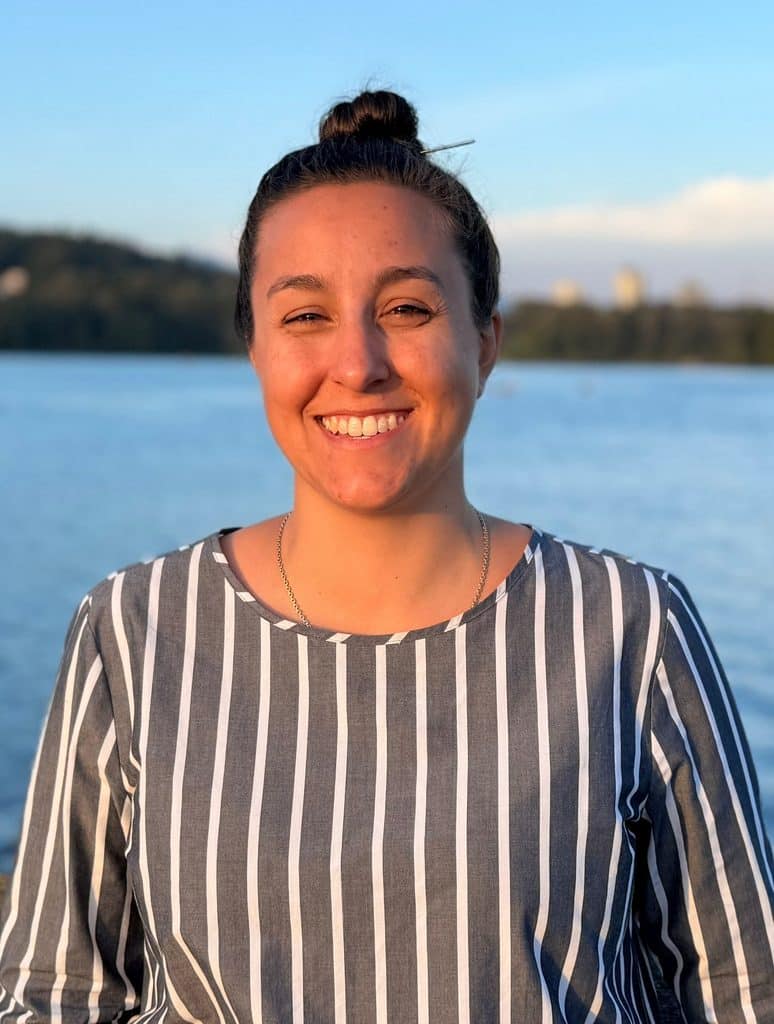
How long have you lived in Port Moody?
I moved here 6 years ago, but grew up in the Tri-Cities.
Is Port Moody adding the right mix of housing? Why or why not?
Right now, much of the approved housing is studio and 1-bedroom units. Our Housing Needs Report shows we need a significant amount of homes with 3 or more bedrooms. We need to ensure we are approving housing in line with the Housing Needs Report, and we also need to enforce affordable housing. Currently, it’s a policy and when council doesn’t enforce it in developments, we aren’t helping people afford to live here.
Port Moody is planning for significant population growth over the next several decades. How much growth do you believe the city should accommodate, and where should that growth be concentrated?
Growth needs to follow the Housing Needs Report and be targeted where services can keep pace. The conversation has focused on population growth, but people need more than just a home. Without equal investment in our infrastructure, amenities, and recreational spaces to ensure we have a foundation strong enough to support those people, we aren’t really growing; we’re just crowding what we have. This matters because it translates to a gradual decrease in quality of life both for current and future residents. Our population has grown; we must now invest in our systems to ensure it’s truly growth.
What should Port Moody’s minimum expectation be for affordable housing in major developments, and under what circumstances should council accept less than its policy targets?
In a world where rising costs of living are an increasing concern, I believe that enforcing affordable housing targets must be a priority. The current policy has good intentions and should be the baseline. Council needs to stand its ground to ensure Port Moody is a home for all, and not only those blessed with more resources. I would only consider deviations with clear public benefit, decided openly with residents.
How should council balance new housing with the preservation of employment and industrial land?
Council has repeatedly mentioned that Port Moody is constrained by relatively little land, and being surrounded by neighbours and parks on all sides, there is little room to grow outwards. For this reason, employment and industrial lands hold incredible value particularly as a means to ensure residential property taxes do not skyrocket. A large swath of pre-zoning and approvals have already set the stage for population growth. Now is the time to prioritise the land vital to our businesses.
Do you support the scale and density currently envisioned for Moody Centre and Inlet Centre, including towers potentially exceeding 26 storeys? Why or why not?
I do not support the current framework. We already struggle with ensuring our infrastructure is adequately servicing people. We’re behind on a library and community centres, our crowded parks discourage residents from visiting, and the traffic is worse every year. A pure focus on residential further burdens these without looking at how we can support and minimize issues. We need to consider where people will work, how they will get around, whether the city has adequate programs for them, and how we can address this without relying on increases in residents’ taxes.
What’s the biggest transportation problem in the city and what should be done about it?
We have issues along Ioco, Clarke, and a surprising number of unsafe or blind intersections that all need addressing. That said, St. Johns Street is a priority to look at. It’s the only road that truly connects one end of Port Moody to the other, and for a significant part of the day it takes 40 minutes to cross. We need to streamline traffic, particularly the eastbound rush, so families can get to the rec centre for kids’ programs without spending almost as long in traffic as the activity runs. The stopped cars are also a considerable contributor to decreased air quality.
What is one thing city council has done this past term that you would have done differently?
I would not have rezoned our industrial land to residential, losing employment land and adding to congestion and crowding.
Do you accept campaign contributions from developers?
No. I won’t accept any contributions from people or groups likely to bring applications forward to Council. It’s important to me that residents trust I have no potential conflicts of interest if elected.
Port Moody recently approved a 3.95 percent tax increase. Given service levels in the city and asset maintenance requirements, is that too high, too low, or reasonable?
I’ve been door knocking since July, and I’ve heard residents say that the level of service has fallen over a number of years. If residents can’t see how taxes are improving the city and affecting their daily lives, then I believe it’s too high. We need to focus on diversifying our tax base, collaborating with our businesses, and scrutinizing current spending before we ask the public for more funds. Maintaining our assets is essential, but residents need to see where the money goes.
Is the city doing enough to protect trees and waterways?
Just recently, council voted to allow an exception for a riparian zone in a development area. I would say this is not evidence of waterway protection. The mass clearcut with minimal replacement at Coronation Park is also disappointing. The tree protection bylaw came too late to have an impact, and isn’t using metrics that account for the environmental impact a mature tree has compared to a young tree.
How should the city address homelessness?
Homelessness is a complex issue rising from a number of factors. While the city should encourage non-market housing to help shelter people vulnerable to the elements, it needs to be a coordinated effort with other bodies and societies. Overnight shelters aren’t a solution, they’re a stopgap measure. We need to ensure a framework supporting trauma, addictions, and mental health leads people towards recovery, and we need employment spaces to help people have the means to support themselves.
Would you support the city allowing Flock/Axon type surveillance cameras?
I would support measures recommended by our police force that help them safeguard public spaces. That said, residents also need to trust their privacy is protected. Data security is a concern; unless it’s stored in Canada, subject to our privacy laws and with strict rules around use and access, I will not support these systems.
What should be council’s top priority for next term?
Council in the next term needs to work at improving trust within the community. There has been a rise in divisiveness and contention, and we need to collaborate and compromise to ensure we are addressing everyone’s concerns and perspectives. We need to listen to residents, show how concerns were addressed, and report back on initiatives they’ve been waiting for. Council needs to be transparent with processes, and ensure the vision for the future is one of balanced, supported growth that doesn’t leave anyone behind.
Why should residents vote for you?
I think life is too short to beat around the bush. I want to be honest and upfront with people, and work on what we know we’re missing. As a nurse at Eagle Ridge, I want to make sure policies are considering health impacts in the long term, and that what Council is doing translates to a tangible difference in the day-to-day life of every resident. This includes championing a city clinic to make family doctors more accessible to our residents. I’m used to working as a team; I know how to ask critical questions and listen to experience; and I know that the best future is the one we all work on together.
Kyla Knowles (incumbent)
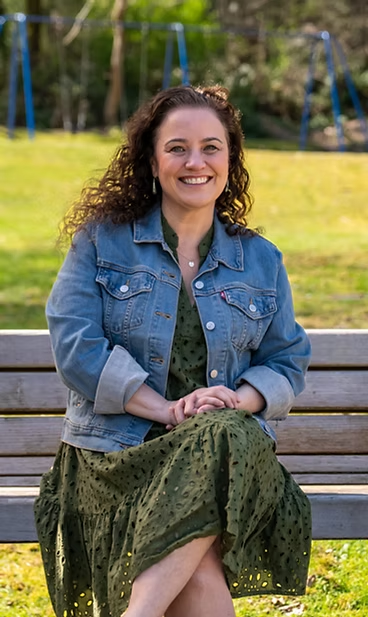
How long have you lived in Port Moody?
13 years. Moved here when I was pregnant with my second daughter in 2013.
Is Port Moody adding the right mix of housing? Why or why not?
Council and city staff actively work with applicants to ensure that proposals have a specific number of studio, one, two and three bedroom suites when they come forward.
Unit mix is also one of the main things the Land Use Committee looks at before it comes to Council for readings. The Province’s Bill 44, which allows small-scale multi-unit housing developments across the City ranging from 3 to 6 suites per single family lot, will also add many more family-sized units and increase our population by 10,000 by 2050.
Port Moody is planning for significant population growth over the next several decades. How much growth do you believe the city should accommodate, and where should that growth be concentrated?
Our population is roughly 40,000 right now. I would like to see growth be gradual (ideally about 55,000 by 2050), with gentle infill throughout the City, and multi-unit housing concentrated near our Skytrains to support the businesses and vibrant streetscapes that we want to see in that area. Port Moody doesn’t have any undeveloped land for new builds, so we need to work with what we’ve got and where we need rejuvenation.
Moody Centre has been under-developed for decades, and businesses have told us it isn’t an attractive area to set up shop, so we need to change that.
What should Port Moody’s minimum expectation be for affordable housing in major developments, and under what circumstances should council accept less than its policy targets?
Minimum “expectations” change with market conditions. A few years ago, I would have said 15% or more should be affordable, but at this point in time, the analysis tells us that NO developments can afford to include what BC Housing defines as “affordable” without assistance from local, provincial or federal governments. That’s the economic reality of building in 2026. Because of this, the larger-sized developments that can typically afford to include “affordable” units are no longer coming forward for approval. Where affordable housing cannot be accommodated, the City should (and does) accept contributions to different city initiatives and/or cash-in-lieu to go towards our Affordable Housing Reserve.
How should council balance new housing with the preservation of employment and industrial land?
We need to be realistic about what businesses have told us about where they want to set up. Moody Centre has been an undesirable place for businesses for decades now, with the small amount of industrial land we have there unoccupied or derelict.
Businesses have told us they want to set up in areas with significant pedestrian, residential and commercial activity, so it’s up to Council to plan for those vibrant, multi-use areas. We still have some industrial land in the City (Burrard Thermal, Andres Wine, Flavelle) and we encourage those owners to leave as much of it for light/heavy industrial use as possible.
Do you support the scale and density currently envisioned for Moody Centre and Inlet Centre, including towers potentially exceeding 26 storeys? Why or why not?
It is misleading to suggest that any level of density has been “envisioned” for Moody Centre. What we have is several, individual landowners who have their own visions. It is for this reason that Council spent years developing a framework for the area, to ensure that all landowners understand what will be expected of their applications in terms of housing form, heights, amenities, massing, etc. Given the Province’s housing legislation requirements forcing us to densify near our SkyTrains, much of our negotiating power has been removed, so any heights above 26 storeys MUST come with significant amenity contributions.
What’s the biggest transportation problem in the city and what should be done about it?
The biggest transportation problem is traffic during rush hour, and I’d like to see two things happen. First, Translink needs to be adequately funded by the province so transit is actually convenient and easy to use. Second, we should pilot a counterflow system with an additional lane on St. Johns moving west in the morning and an additional lane flowing east on St. Johns in the evening. Our council is already looking into this.
What achievement are you most proud of from the previous term?
I’m most proud of a return to good governance (meetings no longer go til 2 am!) and a focus on bringing new and improved amenities and park space to Port Moody. The Council of 2018-2022 (due to infighting, legal issues and general bad faith governance) had nothing to show for their four years other than a completely-gutted budget, using Covid as the excuse to lay off key staff, cancel all in-person meetings and events, and put all City-building projects on the backburner.
Do you accept campaign contributions from developers?
Pursuant to Elections BC regulations, municipal candidates are only allowed to accept donations from individuals – not from organizations, corporations (including developers) or unions. I am an independent candidate with integrity whose vote cannot be bought with any individual donation amount.
Port Moody recently approved a 3.95 percent tax increase. Given service levels in the city and asset maintenance requirements, is that too high, too low, or reasonable?
I believe that [3.95%] was reasonable for 2026 given inflation, and that number included a 1% increase to our assets reserve to prepare for large infrastructure upgrades and replacements we know are coming due. Our reserves earn interest and while a 3.25% increase would have been more popular than [3.95%], it’s council’s job to sometimes make unpopular decisions for the greater, long-term good. We are a small city that is disproportionately reliant on residential taxpayers given our lack of developable land and our status as a port city, which prohibits much of what we can do along our shoreline.
Is the city doing enough to protect trees and waterways?
Waterways – Port Moody has robust bylaws prohibiting the pollution of our salmon-bearing streams and watersheds, with strict penalties for non-compliance. We should continue to incorporate best practices into our stormwater treatment and ensure riparian area setbacks are adequate for stream protection. We are fortunate to have two excellent hatcheries in Port Moody doing great work on this front.
Trees: In February of 2024, Councillor Lubik and I jointly brought forward a resolution requesting the province integrate canopy protection, expansion and climate resilience into Bill 44 and 47. This year, our Council passed one of the strongest Tree Protection bylaws in the province.
How should the city address homelessness?
Addressing homelessness and addiction issues requires cooperation across both provincial and local levels of government. Municipalities are primarily responsible for public safety, and the province is responsible for shelter housing, mental health and addiction treatment.
Unfortunately, Port Moody is land poor, and we have no surplus land to offer for shelter housing and no services to support it, but Eagle Ridge Hospital is located in Port Moody on 25 acres of land with plenty of room to build housing and services for individuals requiring support with mental health, addictions and shelter housing.
The other option is to locate these services on the Riverview lands in Coquitlam, and then I suggest all the tri-cities chip in for the costs with housing and public safety financial support. We all have a part to play.
Would you support the city allowing Flock/Axon type surveillance cameras?
I believe this is a conversation that is best held with our community involvement, with guidance from our public safety agencies. This decision should not be made by council alone.
What should be council’s top priority for next term?
Seniors housing/programming and enabling business growth by cutting red tape at City Hall.
Why should residents vote for you?
My focus has always been on integrity, common sense, and results. I deliver what I promise, and I will keep doing that. We’re improving infrastructure, facilities and parks, we’ve stabilized the budget and we restored good governance. Now it’s time to cut red tape at City hall, help our businesses thrive, and ensure all our residents are receiving good customer service for the taxes they pay.
Reece Mack
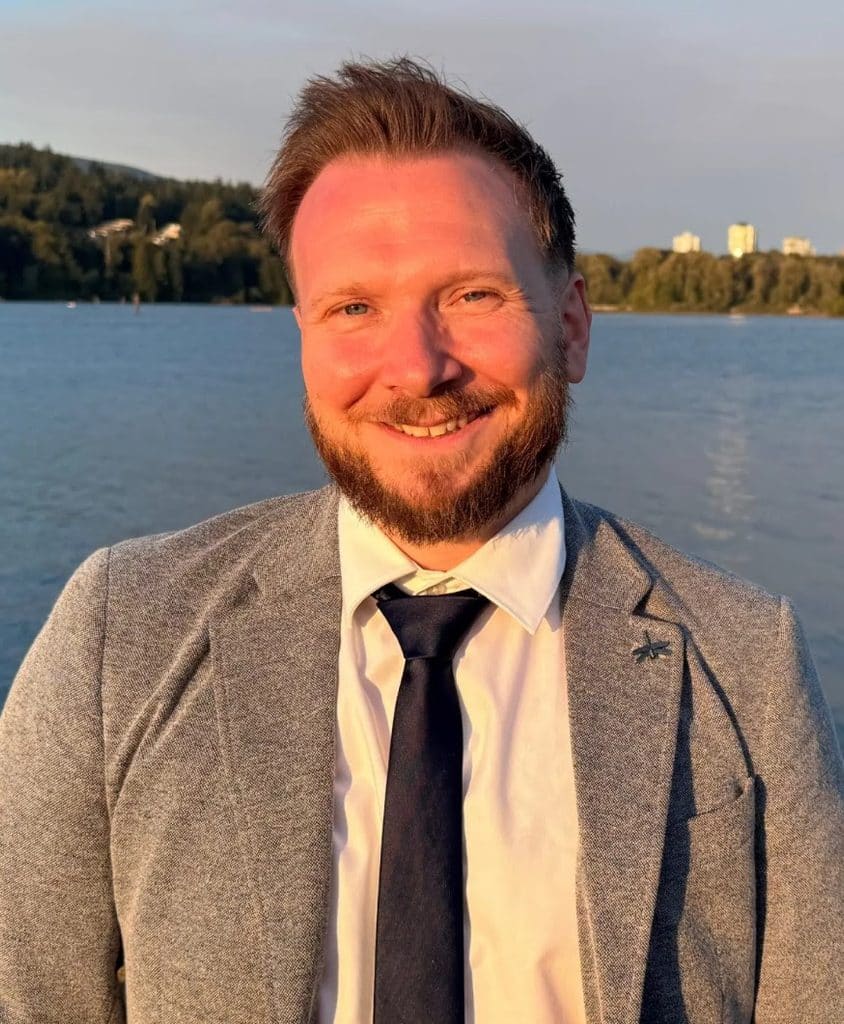
How long have you lived in Port Moody?
Port Moody has been the community I have wanted to live in for a long time, going back to 2011 when I tried to purchase a home but unfortunately wasn’t able to close on it at the time. Finally an opportunity came up a few years ago to obtain affordable housing and I finally moved in last year with my daughter. There are many families like me who would love to live here and it’s an example of why our below market rules need to be strengthened and implemented.
Is Port Moody adding the right mix of housing? Why or why not?
I’m hearing from residents every day that the answer is no, especially when it comes to the 14-tower plan at Moody Centre. According to our housing needs report, we’re oversubscribed on studio and one bedroom places and 3-5+ bedroom homes are where we should be focusing. Our infrastructure hasn’t kept pace with the population and we’re seeing the impacts of that on the roads and in our recreational programs.
Port Moody is planning for significant population growth over the next several decades. How much growth do you believe the city should accommodate, and where should that growth be concentrated?
I believe that doubling the population by 2050 would be a mistake. Especially considering the lack of plans for improving traffic and ensuring residents of Port Moody can still enjoy a high quality of life.
I, along with the rest of the Port Moody Voice team, believe that focusing on building a jobs and business district around Moody Centre is a better alternative to the current plan that includes 14 towers up to 40 storeys tall. This would get our tax base back in balance.
What should Port Moody’s minimum expectation be for affordable housing in major developments, and under what circumstances should council accept less than its policy targets?
Port Moody has rules on below market housing that under the current council haven’t been enforced as much as they should have been. I personally know how life-changing this can be for families and middle income earners. I would like to see us strengthen these rules as well as focus on bringing affordable housing like co-ops to our community.
How should council balance new housing with the preservation of employment and industrial land?
As noted above, removing land from historically industrial land to residential has shifted the tax burden too far onto homeowners. We are a small city and need to protect our industrial and business lands to ensure that homeowners aren’t left footing the bill when unexpected costs arise.
Do you support the scale and density currently envisioned for Moody Centre and Inlet Centre, including towers potentially exceeding 26 storeys? Why or why not?
I’ve heard from our community that they believe that the current 40 storey, 14 tower plan over four city blocks in Moody Centre is not what they want. This isn’t just at the doors, over 70 percent of respondents of one of the city’s best responded surveys did not agree with the scale and density of the plan for Moody Centre.
What’s the biggest transportation problem in the city and what should be done about it?
Our biggest transportation problem is the traffic along our major routes. Buses, cars and motorcycles are all stuck in bumper to bumper traffic. There are a number of quick wins that we can do including signal upgrades to traffic lights so that there’s a green wave if you are travelling at the speed limit and you’re not speeding up to a red light.
What is one thing city council has done this past term that you would have done differently?
I find the number of closed-door sessions this past term to be troubling as well as the closing of public input while still making decisions during regular council meetings months before the election.
Do you accept campaign contributions from developers?
No. I’ve heard from residents that they are very concerned about elected officials receiving developer-tied donations and then making land use decisions.
Port Moody recently approved a 3.95 percent tax increase. Given service levels in the city and asset maintenance requirements, is that too high, too low, or reasonable?
The rise in taxes over the last four years is too high and is impacting the daily lives of many Port Moody residents, especially those who are on a fixed income or pension. Residents have told me that the above inflation tax increases are leading them to consider moving from the city where they have lived for decades. Government spending needs to be addressed and the Port Moody Voice team will do a line by line review of the budget to ensure that we’re being reasonable with taxpayer funds.
Is the city doing enough to protect trees and waterways?
Port Moody is a leader for climate initiatives however it is concerning seeing us clearcut hundreds of mature trees. We also need to look at our tree bylaw as I have been told multiple times that it is disproportionately impacting home owners.
How should the city address homelessness?
This is not something that the city can tackle in isolation. It will take every level of government to work together. I have previously discussed potential solutions with provincial government officials and I believe that focusing on building co-ops is a part of the solution to address housing affordability while building community.
Would you support the city allowing Flock/Axon type surveillance cameras?
This is a prime example of something that we should establish a citizen’s assembly for before making a decision for or against. Council should make sure that the public is fully heard when considering major decisions like this.
What should be council’s top priority for next term?
The top priority for council next term should be focusing on keeping a high standard of quality of life for Port Moody residents. Port Moody Voice’s plan directly addresses many of the concerns that we’ve heard from residents and we’re ready to get to work.
Why should residents vote for you?
I believe that being an elected official is public service. Should I be fortunate enough to be elected, it will be a core value guiding me. I will make sure that residents are fully heard before making major decisions and that all input helps shape the final outcome.
I’m a public servant in my career and my Master’s thesis studied how governments communicate with the public and what happens when that communication breaks down. A vote for me is a vote for a more transparent, accountable government.
Amy Lubik (incumbent)

How long have you lived in Port Moody?
Since 2013.
Is Port Moody adding the right mix of housing? Why or why not?
We are going in a good direction for affordability, and tenure, but there is more to do. We have approved almost 1,600 rental units, increased minimum units sizes, increased 2- and 3-bedroom targets and are achieving 5-15% below market in rental buildings.
The majority of existing housing stock is 3+ bedrooms, and we need more of that, including townhomes, alongside units for 1-2 person households and people downsizing. We have approved over 600 units of affordable housing. Now we should prioritize a complete continuum of affordability, and including units targeted to seniors, deep affordability, and women’s transition housing at Moody Centre.
Port Moody is planning for significant population growth over the next several decades. How much growth do you believe the city should accommodate, and where should that growth be concentrated?
Growth can be done well, and it can be done poorly. Historically, Port Moody has done with complete communities. Housing around SkyTrain should include housing for all stages of life, actioning our parkland strategy, expanding recreation and neighbourhood gathering spots, walkable accessible neighbourhoods, more clinic spaces and grocery, and thriving local businesses. A specific number may not reflect what we are trying to accomplish for long-time and new neighbours; however, it is unlikely we will see as much growth as current zoning under provincial legislation will allow. As things change, we need to focus on what we are trying to accomplish for our residents.
What should Port Moody’s minimum expectation be for affordable housing in major developments, and under what circumstances should council accept less than its policy targets?
The inclusionary zoning policy is currently 15% of floor area to be affordable (~ 20% below market) or 6% deeply subsidized in strata buildings, which is in line with some of our most progressive neighbouring communities. Rental is financed differently, so cannot usually accommodate as much, but we have been getting 5-25% in rental buildings. We should maintain that and work with other levels of government for more (as happened in Inlet District).
In some cases, this could be lowered for other benefits usually difficult to achieve, including heritage housing preservation, significant employment or dedication of land/park.
How should council balance new housing with the preservation of employment and industrial land?
Industrial land needs land, highway access, and other industrial businesses, so preserving and intensifying light industrial on Murray and western Port Moody makes sense, instead of housing.
We should also continue exploring ways the city can provide affordable arts/ start-up spaces. I understand concerns about changing some Moody Centre parcels from industrial to mixed-use; however, office/ commercial uses can create significantly more jobs than currently there, and may support fields that align with residents’ skills, including health or creative sectors. Adding homes in this area supports a vibrant daytime economy, making Port Moody more attractive to businesses of all sizes.
Do you support the scale and density currently envisioned for Moody Centre and Inlet Centre, including towers potentially exceeding 26 storeys? Why or why not?
How we do density matters. The goal is for new neighbourhoods to emulate the feeling of current neighbourhoods. Approved projects in Moody Centre are guided by a framework to meet our goals for inviting public realm, large plaza, ecosystems enhancements such as a daylit creek, green roofs, and 30% tree canopy, a grocery store, artist studies, rental, and ~1,000 employment spaces. Some of the higher towers are slimmer to improve view corridors and/or if they give extensive benefits (affordable/transition housing, employment, parks, etc). Given recent provincial changes to density bonusing, projects are unlikely to provide enough benefit to justify more than 26 stories.
What’s the biggest transportation problem in the city and what should be done about it?
Traffic and disconnected active transportation on St johns. One solution which is approved and funded is the St Johns redesign and road reallocation, which adds capacity by providing an eastbound HOV to the current lanes. The widening of the Barnett overpass will complement this work and adaptive signalling cameras will help the flow. Work on St Johns also completes the cycling path, which helps people get out of their cars. Protected bike lane projects need to continue in other parts of the city as well. Studies show the more people feel safe using alternate modes of transportation, the more they will.
What achievement are you most proud of from the previous term?
We’ve accomplished a lot, including health standards for rentals, urban forestry, and parks planning and expansion and incentivizing clinics, but finalizing our Well-being Design Guidelines for all new developments (first in BC), including aging in place design within buildings, connection spaces, minimum unit sizes, and green space recommendations is something very special to me. I hope we can build on this to include age and dementia-friendly design throughout the city.
Do you accept campaign contributions from developers?
Yes. The decision to accept from folks in the development industry came from reflection after discussion with friends in the affordable housing industry and knowing I’ve been very clear in my priorities while negotiating respectfully. I have also accepted from artists, seniors, professors, philanthropists, health professionals, social justice advocates, and others.
Port Moody recently approved a 3.95 percent tax increase. Given service levels in the city and asset maintenance requirements, is that too high, too low, or reasonable?
Since 2000, the average tax increase has been ~4.75%. Since 2023, increases declined following austerity budgets, while adding back services and needed staff positions and navigating unforeseen costs. In surveys, residents are almost evenly split on paying more or decreasing services, with increasing demand for more parks, programming, and public safety regardless of growth. We must continue exploring alternative revenue sources, improving utility maintenance, and attracting more commercial tenants/ industrial tenants to stabilize taxes.
To maintain our assets, a 2026 report demonstrated the annual 1% increase is generally working. My goal is keeping taxes manageable while investing for future generations.
Is the city doing enough to protect trees and waterways?
We can always do more to protect our trees and water, but I am proud to have initiated and championed our Urban Forest Management Strategy and Tree Protection Bylaw updates. These are resulting in a net gain of trees, especially in neighbourhoods with little or canopy coverage, while giving staff stronger tools to protect trees during development, and requiring better planting areas for tree growth. Next, we need to strengthen minimum planting areas and permeable surfaces. Our integrated stormwater management plan supports healthy watersheds, and we recently strengthened our bylaws to protect and monitor streams during development. I would encourage more creek daylighting.
How should the city address homelessness?
The Tri-Cities should work together with other levels of governments, Kwikwetlem Nation, the school district, health authority, businesses, nonprofits and community members on a comprehensive plan. Communities like Duncan and Penticton provide models for understanding the needs and demographics of unhoused community members, then plan housing and supports. Through partnerships, we could possibly house the growing number of seniors and those with insufficient income within new developments. There are promising practices of supporting complex cases on health campuses. Preventing homelessness is critical, including supporting the Rental Bank helping people stay housed and organizations helping vulnerable youth through counselling and employment opportunities.
Would you support the city allowing Flock/Axon type surveillance cameras?
No
What should be council’s top priority for next term?
I’ve been talking to nonprofit housing providers about how to get more affordable housing when markets are shifting significantly, and provincial investment is much more difficult. Based on their insights, the city should host a roundtable discussion with nonprofits, developers, and provincial and federal representatives to share ideas about how we can work together to meet our collective affordable housing goals- what models are working, what innovative ideas exist.
Some developments are stalling, at the same time, some grants are available to nonprofits that could support projects going forward with increased affordability. The city can streamline processes and act as a liaison.
Why should residents vote for you?
With a background in health research and community resilience planning, I will keep health and well-being at the centre of decision making. Hearing from residents is one of my favourite parts of this job, and I have a track record making sure what I have heard gets integrated into our plans and policies (e.g increasing tree protection, creating rental maintenance bylaws, and incentivizing doctors’ clinics). I will continue to bring research and promising practices forward to support our goals as a city for affordability, the social connectedness that makes our city so special, and protecting and enhancing our natural environment.
Samantha Agtarap (incumbent)
How long have you lived in Port Moody?
I moved here in 2005, into the first phase of Suter Brook, about 21 years ago.
Is Port Moody adding the right mix of housing? Why or why not?
Port Moody has long been a suburb dominated by single-family homes, but that’s changing. The 2021 Census data for Port Moody show that 56% of our population lives in 1- and 2-person households, while 59% of our housing stock has 3+ bedrooms.
Family-friendly housing matters, especially as more families choose to live in multi-family buildings, but we also need housing that suits 1- and 2-person households of all ages, including seniors downsizing in the community they call home.
Current family-friendly policy sets minimums for 2- and 3-bedroom units and minimum unit sizes. Ongoing monitoring is important.
Port Moody is planning for significant population growth over the next several decades. How much growth do you believe the city should accommodate, and where should that growth be concentrated?
The OCP population projections are based on a lot-by-lot analysis by staff using the Provincial Housing legislation entitlements, current zoning and OCP land uses. The number is not a target but an estimate of how many people could live here if everything gets built, which seems highly unlikely given existing economic conditions. We should use it as a planning tool to ensure amenities keep pace, whether that population arrives in 25 or 50 years.
Growth should be concentrated around SkyTrain stations. I am not a fan of drawing circles on a map (like the TOA legislation did). Our past OCP planned density adjacent to Moody Centre SkyTrain, and I never envisioned towers south of St Johns.
What should Port Moody’s minimum expectation be for affordable housing in major developments, and under what circumstances should council accept less than its policy targets?
We have an Inclusionary Zoning Policy that asks for 15% below market but provides a mechanism that permits less than 15% if project economics don’t support it. We’ve seen that happen in Inlet District, and they successfully secured the CMHC Apartment Construction Loan Program, which has increased the number of below-market units. However, our expectations don’t match CMHC’s.
Federal and provincial governments need to get back to building and funding non-market housing. Municipalities can support as a partner.
How should council balance new housing with the preservation of employment and industrial land?
Beyond the light industrial land at the Moody Centre SkyTrain station, we need to preserve existing light and heavy industrial land, and expand commercial floor space beyond street-level retail. Development must support a variety of mixed uses, with commercial units in a range of sizes and rates, so small and local businesses can actually afford space. I also want to explore a model like Community Impact Real Estate Society (CIRES), a Vancouver-based social enterprise focusing on commercial real estate to build inclusive, equitable and vibrant local communities. Through policy the city can create an inviting city to do business.
Do you support the scale and density currently envisioned for Moody Centre and Inlet Centre, including towers potentially exceeding 26 storeys? Why or why not?
Because my family has a business in Moody Centre, I’ve not participated in the Moody Centre Framework discussions or vote.
For me, it is less about density or height and more about what the city is getting in return and what the street level looks and feels like (e.g., Newport is well loved). Around SkyTrain, I would prefer a mix of employment, housing, and amenities, with a focus on good design that is interesting and creates opportunities for community gathering and local businesses.
A strong mix of local businesses that engage with the streetscape is also important to me – we need to give people a reason to go to an area and explore. The framework was meant to ensure the city got what it needed and wanted across an area with multiple landowners, signalling the city’s priorities. If exceeding 26 storeys gives us something the community wanted in return, I could support that. Housing legislation has changed our ability to leverage density bonusing payments. In Moody Centre, we used to get density bonus contributions on density above 2.5 FAR. Now we only get that above 3, 4, or 5 FAR, depending on how far we are from SkyTrain.
What’s the biggest transportation problem in the city and what should be done about it?
There isn’t a single problem – it’s interconnected. Much of the traffic on St. John’s is through traffic, but a significant amount is our residents trying to get around: taking kids to school or activities, or trying to get groceries.
It’s important to create options for people, whether that means ensuring a safe route for kids to get to school or day-to-day amenities are within a short walk or roll.
Alternatives need to be convenient, accessible and safe. When transit or cycling is more convenient than driving, we will have succeeded. This term, council advanced three significant projects to tackle traffic.
What achievement are you most proud of from the previous term?
I’m proud of what we accomplished this term, with strong staff support. We completed several master plans, including updates to the Master Transportation Plan, Industrial Land Strategy, Land Management Strategy, Major Civic Facilities Roadmap, Official Community Plan, Invasive Species Management Strategy, Tree Protection Bylaw, Urban Forest Management Strategy, Parkland Strategy and Old Orchard and Rocky Point master plans, and more. The Zero Carbon Step Code was an important policy step, and the small wins like boulevard gardens are some of the ways we have made daily life a little better.
Do you accept campaign contributions from developers?
I accept any legal donation. I do not prioritize or solicit donations from individuals in specific industries. Corporate and union donations have been illegal for some time.
In tough, uncertain economic times, I recognize that donating to election campaigns, especially municipal ones that don’t offer the tax return benefit of provincial contributions, can be challenging.
Port Moody recently approved a 3.95 percent tax increase. Given service levels in the city and asset maintenance requirements, is that too high, too low, or reasonable?
Given current service levels and asset maintenance, this was reasonable. One percent of this increase was the Asset Levy, which funds maintenance and replacements of our aging infrastructure. In Port Moody, only about 57% of our land area is taxable and much of it is exempt (schools, hospitals) or rate restricted (utilities, some port properties).
Many cities are struggling to decide what to keep in the budget, what can be cut without impacting services, and how to pay for it all while relying mostly on property taxation. I understand the pressure that property taxes can put on everyone.
Is the city doing enough to protect trees and waterways?
Currently, yes, I think we have strong protections for trees, a goal for tree canopy, stream and environmental protections and daylighting requirements. Of course, as the city changes, we should always be reviewing to ensure these protections are enough and learn from the past to do better in the future.
How should the city address homelessness?
The city has limited tools and resources, but we should use them creatively. This means preventing people from losing housing, through tenant protections and rent bank. It also means using our Inclusionary Zoning Policy, developing partnerships and efficient use of public land.
The province hasn’t been fulfilling its responsibilities on housing and healthcare, putting pressure on municipalities. We should keep advocating for a system where addictions and mental health treatment is accessible without a wait.
Also, Crisis Response, Community Led teams are doing work in six municipalities to support people in mental health crisis — this model should be available to every community.
Would you support the city allowing Flock/Axon type surveillance cameras?
No. There are too many privacy and access issues. I support using traffic cameras that do not continuously record and only take photos when violations occur.
What should be council’s top priority for next term?
The next council’s strategic plan will set the priorities, and if elected, I look forward to collaborating on it. My priorities are an affordable, accessible city; a thriving local economy; investment in parks and public spaces; and improving public participation through a Citizen’s Assembly.
Why should residents vote for you?
I’m seeking re-election for the same reason I ran before: to make life here a little better each day. Council decisions affect your daily life and I bring my experience as a Professional Engineer and creative thinker to the community I love.
I’m also interested in collaborative compromise, and finding a path forward together. I’d be honoured to earn your vote again.
Steve Milani
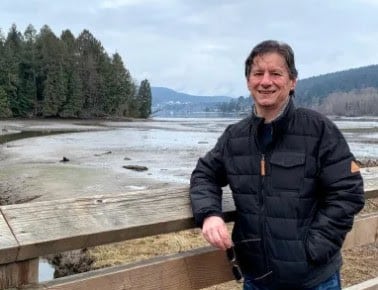
How long have you lived in Port Moody?
I’ve lived in Moody Centre for 28 years. My wife and I raised our three kids here, and all three graduated from Moody Secondary. Before I was elected to Council in 2018, I spent years with the Port Moody Community Association and eventually became a Director. I also served on the City’s Citizen Advisory Group. Over the past three decades, I’ve owned and operated two small businesses, including my own goldsmith studio, and today I work in property management. This isn’t just where I live; it’s home.
Is Port Moody adding the right mix of housing? Why or why not?
Not yet. During my term on council, the city commissioned a Housing Needs Report to tell us what Port Moody actually needs. Its biggest gaps were family-friendly homes, especially three and four-bedroom units, and housing for seniors. It called for changing the bedroom mix, but instead, we keep seeing projects that rely heavily on small one-bedroom units. We need more ground-oriented homes like townhouses, along with rental and co-op housing. I’ll advocate for co-op and non-profit housing funded by senior governments, because that’s where real affordability comes from. More 40-storey towers won’t fix it. They just give us more of the same small units.
Port Moody is planning for significant population growth over the next several decades. How much growth do you believe the city should accommodate, and where should that growth be concentrated?
Port Moody will grow; the real question is how high, how fast, and where. Growth around our SkyTrain stations makes sense, and that should mean jobs as well as homes. Build to the Province’s requirement of up to 20 storeys, not the 40 storeys this Council approved. Growth doesn’t belong on our industrial land, which we need for jobs. It also has to come with the schools, parks, roads, and police and fire capacity to support it. And growth must pay for growth. The plan now for Moody Centre alone is for 25 towers. Is that a plan for a livable city, or a plan for gridlock?
What should Port Moody’s minimum expectation be for affordable housing in major developments, and under what circumstances should council accept less than its policy targets?
Council’s affordable housing targets should be the floor, not a starting point for negotiation. If we set a target, it should mean something. When I was on Council, I voted against the Barnet Hotel project because it missed our own targets for affordable units, jobs and traffic improvements. If a developer wants to deliver less, they need to make the case in public, and show what the community gets back, like deeper affordability or a non-profit partner running the units. What I won’t support is quietly trading away affordable homes and leaving taxpayers to cover the gap. Do it right, and do it in the open.
How should council balance new housing with the preservation of employment and industrial land?
Stop giving away our industrial land. Once it’s rezoned for high-density residential, it never comes back. The first five towers rezoned near Moody Station all sat on industrial land. The Province exempts industrial land from its Bill 47 density rules, so those towers were 100% at Council’s discretion. Industrial businesses once paid roughly half of the City’s revenue. Today it’s closer to 15%, and homeowners pick up the difference. I’d go the other way and get the most value out of City-owned land. That means focusing on a jobs district near Moody Station, and exploring warehousing on the old fill site off Barnet. More local jobs, stronger tax base.
Do you support the scale and density currently envisioned for Moody Centre and Inlet Centre, including towers potentially exceeding 26 storeys? Why or why not?
No, and I’ve opposed it from the start. The Moody Centre TOD and Oceanfront District amendments, along with Coronation Park, are what got me to run for Council in 2018. The Province requires cities to allow up to 20 storeys right next to SkyTrain stations. This Council went to 40. I’d push Council to repeal the 40-storey framework and bring it back in line with the provincial requirement. Meet the mandate and stop there. Our roads are maxed out, and Rocky Point Park is stretched on any sunny day. Doubling the height doesn’t double the infrastructure.
What’s the biggest transportation problem in the city and what should be done about it?
St. Johns is carrying more traffic than it was built for. We need a comprehensive traffic management plan that looks at the whole city and everything coming down the pipeline, instead of one development at a time. This Council chose the cheaper Barnet overpass option that staff labelled “not recommended.” The Ioco intersection also needs upgrading. And we have to account for the new Barnet intersection planned just east of it, which will take much of the traffic from roughly 5,600 new homes planned around Coronation Park in Port Moody and Coquitlam. Nobody is talking about that elephant in the room. Let’s do it once and get it right.
What is one thing city council has done this past term that you would have done differently?
Kyle Centre. The exterior restoration plan of about $2.9 million, backed by a three-engineer assessment, was ready to go. This Council cancelled it in 2023, and the building now sits covered in deteriorating tarps. Now the City is pursuing a full rebuild listed at $42 million. It has already put $663,000 into conceptual design, including the extra $148,000 added this summer, and plans another $2.2 million on detailed design. Staff expect about half to be borrowed. Based on the City’s own estimates, that’s roughly a 2% tax increase just to cover the debt, paid every year for 30 years. I’d have kept the restoration plan and protected taxpayers.
Do you accept campaign contributions from developers?
No, plain and simple. Council makes decisions worth millions of dollars to the development industry. Residents deserve to know those decisions aren’t being shaped by who’s funding a campaign. I’m running as an independent, and the only people I answer to are the residents of Port Moody.
Port Moody recently approved a 3.95 percent tax increase. Given service levels in the city and asset maintenance requirements, is that too high, too low, or reasonable?
Residential taxes are up just over 28% compounded since 2023. Over that time we’re looking after the same rec centre and the same parks, while the operating budget has grown 38%. So yes, it’s too high for what residents are getting back. Maintaining the assets we already own should come first. Port Moody used to run lean and get things done. We need to spend smarter, not just spend more.
Is the city doing enough to protect trees and waterways?
Not enough. I’ve opposed the Coronation Park development from the start, and this Council went ahead and rezoned it, clearing nearly 15 acres of green space. Trees like that don’t come back in our lifetime. The new Tree Protection Bylaw is a step forward, but it doesn’t mean much when Council itself signs off on clearing mature trees by the acre. Our creeks, shoreline and forests are a big part of why people choose to live here. Protecting them should be a condition of growth, not an afterthought.
How should the city address homelessness?
Housing and health care are provincial and federal responsibilities, and the funding has to come from them, not from property taxes. Port Moody should work with Coquitlam and Port Coquitlam on a coordinated Tri-Cities approach, so no single city carries it alone. The focus should be on recovery-focused housing that gets people into treatment, not low-barrier sites. Mental health and addiction supports have to be built in, or it won’t work. We need to treat people with dignity, keep public spaces safe for everyone, and push senior governments to deliver.
Would you support the city allowing Flock/Axon type surveillance cameras?
I’m not a proponent. I understand why police want tools that solve crimes faster, but licence plate readers track the movements of everyone, not just suspects. Who owns the data and where is it stored? Who can access it, and how long is it kept? What will it cost every year? Several U.S. communities that rushed these cameras in have since pulled them out. At the very least, residents deserve a full public conversation before Council considers anything like this. It’s not something to slip through on a consent agenda.
What should be council’s top priority for next term?
Getting spending back under control. Operating costs went from $89.4 million in 2022 to $123.5 million in 2026, and services haven’t grown to match. Council needs to go line by line and separate needs from wants. Big decisions like Kyle Centre deserve a hard second look before we take on debt. And growth must pay for growth, so new development covers its own costs instead of existing taxpayers. Parks, traffic and everything else on this list depend on getting the finances right first.
Why should residents vote for you?
Because I’ve done the job, and I never stopped showing up. As Finance Chair, I fought for lean, responsible budgets. When developments came to Council, I pushed to make sure growth paid for growth. On the Portwood project alone, that secured an additional $6 million in community amenity contributions, paid by the developer, not you. While on Council, I showed up on doorsteps whenever residents asked me to come by. I don’t take developer money, and my loyalty is to residents. I’ll keep doing my homework, asking the hard questions, and standing up for our community.
Laura Soucy
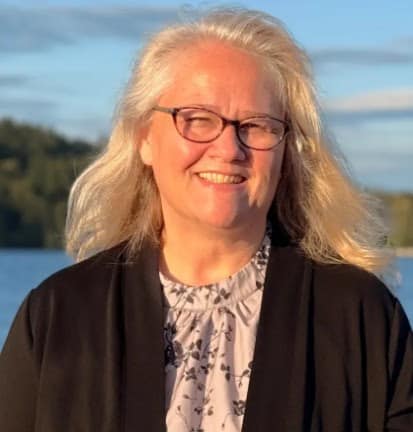
How long have you lived in Port Moody?
A long-term resident of Port Moody, I grew up here and continue to reside here. I have lived her for over 50 years.
Is Port Moody adding the right mix of housing? Why or why not?
No. Port Moody’s Housing Needs report identifies family housing, senior housing and affordable housing shortages yet these are not included into most approvals. Family sized units would allow for growth and our increasing senior populations trigger the need to age in place.
Port Moody has placed a lot of focus on below market units for approval but those only provide affordability for moderate to middle-income households. Below market homes have a rate based on the surrounding market. With high surrounding rates households can still end up contributing more than the affordability benchmark of 30% of their monthly income.
The non-market housing need still exits.
Port Moody is planning for significant population growth over the next several decades. How much growth do you believe the city should accommodate, and where should that growth be concentrated?
The Official Community Plan doubles the population to 74,300 which is too high. Adding to the populations while not addressing shortfalls will only make existing problems worse. The city needs to catch up with infrastructure and re-evaluate amenity space. Residents have expressed concerns for lack of ice time, pools in disrepair and the need for an indoor pool.
Growth should focus on correcting documented shortages but at a slower, manageable [rate]. Development should focus in areas located near accessible transit
What should Port Moody’s minimum expectation be for affordable housing in major developments, and under what circumstances should council accept less than its policy targets?
Port Moody has a Housing Policy, but it has not been enforced by current council. Putting in place a bylaw would make enforcement easier.
As someone who has benefited from affordable co-op housing, I would like to see the city explore more affordable housing options by working with non-profit societies, land trusts and co-op housing.
If council makes an exception to any policy or bylaw, it should only be where a proposal offers another benefit to the city.
How should council balance new housing with the preservation of employment and industrial land?
Council should be working to ensure the protection of employment land and focus on bringing more employment options to the city. With a lack of business contributing to our tax base, the city has come to rely on the homeowners to carry the burden of the budget.
The Port Moody Voice would repeal the 14-tower framework in Moody Centre and establish a Business District. Having both Skytrain and West Coas Express in this area adds to the benefits of this being a job hub.
Transit Oriented Development should include complete communities where employment options exist, in addition to housing.
Do you support the scale and density currently envisioned for Moody Centre and Inlet Centre, including towers potentially exceeding 26 storeys? Why or why not?
I do not support the current 14-tower framework for Moody Centre, with towers allowed up to 40 storeys in a 4-block radius. Port Moody does not have the infrastructure to continue to support the rate of growth we are seeing.
Resident feedback shows most residents do not support this level of growth.
Homes approved in these towers do not fulfill the shortages noted in the Housing Needs Report.
What’s the biggest transportation problem in the city and what should be done about it?
Traffic volumes on our main roadways – St. Johns and Murry Street. Traffic volumes are most noticeable during peak rush hour periods, as Port Moody is primarily a bedroom community.
Port Moody Voice would prioritize our local traffic with left- hand turn lane improvements along St. Johns and Murray Street. Using adaptive traffic management systems and reducing the “stop and go” on St. Johns would help to get people home to their families quicker.
What is one thing city council has done this past term that you would have done differently?
The recent purchase of land near Kyle Center for future parkland when there is an existing resident petition to Expand Rocky Point Park. Community consultation should have occurred to determine what residents felt was a priority.
Do you accept campaign contributions from developers?
No. The Port Moody Voice does not accept developer donations.
Port Moody recently approved a 3.95 percent tax increase. Given service levels in the city and asset maintenance requirements, is that too high, too low, or reasonable?
Property Taxes have increased significantly over the last 4 years of this council, totalling approximately 28%.
Port Moody Voice is committed to reviewing the operating budget line by line and determine where spending is a concern. Ensuring fiscal responsibility to the residents is a priority.
Looking for other revenues sources which include creating a Business District would help restore a balance for tax sources within Port Moody and relieve the pressures from homeowners.
Is the city doing enough to protect trees and waterways?
Port Moody is a known city leader for climate change and initiatives. However, witnessing the loss of a large number of mature trees to development is concerning.
The city has a Tree Protection Bylaw but should re-evaluate it to ensure how the bylaw is impacting homeowners. Difficulties have been mentioned repeatedly by home owners during door knocking.
How should the city address homelessness?
We need to partner with neighbouring municipalities who are also dealing with the challenge of homelessness as well as other levels of government.
Factors resulting in homelessness, include housing unaffordability, addiction, and mental health. Port Moody does not have highly visible homelessness, but we cannot assume we have none. Invisible homelessness exists in the forms of couch surfing, overcrowding in homes or people who reside in a tent or vehicle.
The cost of living has many residents living paycheque to paycheque.
Providing diverse housing options, including non-market housing can assist in homelessness prevention.
Would you support the city allowing Flock/Axon type surveillance cameras?
Prior to any commitment to support this technology I would want to fully understand any potential privacy concerns and how it would provide a need to the community.
Introducing this technology would need to be supported by the residents.
What should be council’s top priority for next term?
Reevaluating the rate of growth and type of growth Port Moody has been moving forward with. Future development proposals should include the needed housing which includes family sized homes, seniors home and affordable homes.
Working towards inclusivity and diversity within our community where everyone feels seen, heard, accepted and a part of.
Why should residents vote for you?
As a long-term city resident, I would prioritize working for the residents to improve their quality of life. Fighting for an inclusive city for anyone who wants to reside here. Working for adequate resources for residents and listening to them when making substantial decisions.
If I have the pleasure of being elected, I would be accountable to the residents, who council works for. Decision made need to reflect their direction.
I would work for a better balance of resources throughout the city.
Mark Kunzli
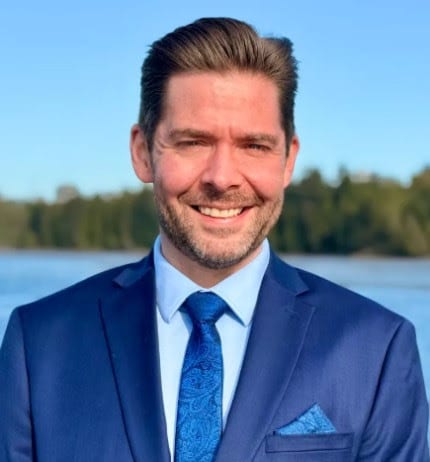
How long have you lived in Port Moody?
I moved to Port Moody in 2021 when we were expecting our first child. Our first daughter was born that year, and our second in January 2024. Port Moody is the only home they’ve known and we couldn’t be happier raising them here.
Is Port Moody adding the right mix of housing? Why or why not?
No. Over 70% of the units approved in towers at Moody Centre are studio or 1 bedroom. Those are investor units, not homes. Port Moody’s Housing Needs Report says we need family, seniors, and affordable housing, but studios have been approved instead. Coquitlam recently capped studios and 1 bedrooms at 60%, with studios maximum 25%. Port Moody has no cap on studios, we need one. Our platform focuses on the types of housing that build community, such as townhomes, multiplexes, and co-ops. Our seniors shouldn’t have to move to the valley if they want to keep a backyard and a spare bedroom for the grandkids.
Port Moody is planning for significant population growth over the next several decades. How much growth do you believe the city should accommodate, and where should that growth be concentrated?
We should only build what our roads and infrastructure can accommodate, and what we have a plan to keep up with. The first time I went down to City Hall, I read the traffic impact assessment for the first 3 of the 14 towers planned for Moody Centre. It said that roads were already at their practical capacity but the towers were approved anyway. Our platform calls for roads, utilities, and parks planned alongside growth, not after development limits our choices and overwhelms what we already have.
What should Port Moody’s minimum expectation be for affordable housing in major developments, and under what circumstances should council accept less than its policy targets?
Port Moody’s minimum expectation for affordable housing is currently 15%, but it is not enforced. Ensuring we achieve that with major developments is a good start. It is the job of Council to work in good faith with our developer partners, but affordability for our residents should not be traded for their profitability. The Port Moody Voice platform calls for development requirements to be set up front in one co-ordinated framework, so we don’t negotiate away affordability case-by-case. Council should accept less only if something more significant is delivered up front, and never in a later phase that may not be delivered.
How should council balance new housing with the preservation of employment and industrial land?
There is no requirement to rezone our industrial land to accommodate new housing. Residential redevelopment is not a substitute for economic development. The 14-tower framework approved in Moody Centre only served to reward land speculation, driving up the price of our remaining employment lands. This prices out the businesses we have and creates a barrier to entry for the ones we want to attract. By replacing the current 14-tower framework with Port Moody Voice’s vision for a business and jobs district at Moody Centre, we can create a tax base that pays the City back every year, not just once at rezoning.
Do you support the scale and density currently envisioned for Moody Centre and Inlet Centre, including towers potentially exceeding 26 storeys? Why or why not?
No, I do not support the scale and density currently planned, because our community does not support it. The only survey conducted on the topic showed that Port Moody residents were not in favour of towers exceeding 26 storeys. Residents definitely did not approve 14 towers up to 40 storeys in 4 blocks around Moody Centre that was put into our Official Community Plan. Many residents I speak to are unaware of this plan, and I do not support completely changing our community without the permission of our community.
What’s the biggest transportation problem in the city and what should be done about it?
St. Johns Street. The current plan to deal with traffic is to inconvenience people out of their cars. We need to accept that some people can’t take transit or active transportation. They cannot be left behind. The focus should be on practical fixes that prioritize getting Port Moody residents home to their families. With all the traffic lights we’ve added on St. John’s, we need adaptive signal coordination, we need to improve left turns onto Ioco from St. John’s and Murray, and most importantly we need to ensure that any residential development has realistic transportation planning.
What is one thing city council has done this past term that you would have done differently?
The biggest thing for me, and a large part of why I’m running, is the lack of engagement with the community. This past Council paused engagement on our Official Community Plan for almost 2 years, and instead implemented a 14-tower plan for Moody Centre without ever asking the community if they supported it. The job of Council is to represent the community, and you can’t do that if you don’t go out and get their input. If we want people to trust government, we have to open up government. Town halls, collect input at City events, go to where people are and involve them in the decision making process. These are all things I would have done differently.
Do you accept campaign contributions from developers?
No. We need to restore trust in government, at all levels. Taking campaign contributions from developers to get a job on Council where you will then be negotiating against them does not help build trust with the community. The job of Council is to negotiate on behalf of residents, and that’s why I’m proud to be running a campaign with Port Moody Voice funded by the same people I will be negotiating on behalf of, our residents.
Port Moody recently approved a 3.95 percent tax increase. Given service levels in the city and asset maintenance requirements, is that too high, too low, or reasonable?
While the 2026 election year increase was [3.95%], previous years’ increases were 9.26% in 2023, 6.70% in 2024, and 5.70% in 2025. Compounded that is a 28% increase over the past term. It is easy to say we need to get back to basics, but harder to do. We need to bring in some budget discipline and make some tough choices to get taxes under control. A key part of our platform is transparency, when it comes to the City budget, that is your money. You should be able to see what it is being spent on, and why.
Is the city doing enough to protect trees and waterways?
While the Tree Protection Bylaw was recently approved, this was only after losing many mature trees. Going forward, we need to ensure that this bylaw actually reduces tree canopy loss, and does not disproportionately affect homeowners. With respect to our waterways, as Port Moody is a coastal city, I would prioritize completion of our Coastal Flood Management Strategy, originally approved in 2021 with a targeted completion date of Q2 2023. This needs to be finished before we need it.
How should the city address homelessness?
We don’t see many people visibly experiencing homelessness in Port Moody. With the size of our City and our limited resources compared to neighbouring municipalities, I don’t think addressing homelessness is something that Port Moody could or should take on. Where I do see a role for Port Moody is by focusing on housing affordability, which can help with people who may be at risk of homelessness.
Would you support the city allowing Flock/Axon type surveillance cameras?
My support would be contingent upon ensuring that the public is involved in the process to ensure that they understand the scope, limitations, privacy implications, and safeguards if such a system were to be implemented. If there is a demonstrable need and benefit to public safety, and the community was supportive, then I would be supportive. Public safety benefits would clearly have to be balanced with privacy concerns. If a plan was to go forward, I would want to see any implementation go through a trial period followed by public engagement.
What should be council’s top priority for next term?
Get caught up on roads and infrastructure, get spending under control, and ensure that we grow in a way where everyone can see their future in Port Moody. We also need to rebuild trust in the community, and make sure that people feel like their voices matter. A big part of the Port Moody Voice platform is focused on how we will govern on Council. It may not be the flashiest political message, but I feel it’s the most important. Engaging with the community transparently ensures that Council’s top priority is always aligned with the community.
Why should residents vote for you?
I’m not a politician, and I’ll do my best not to become one. A big part of why I’m running is to try to make politics better. As a pharmacist, people get upset with me every day over things that aren’t my fault. I listen, I try to understand, then I do what I can to help. I see my job on Council as doing the same thing. I’m lucky enough to be able to do this, and I want to represent those who don’t have the same privilege and opportunities I’ve had. I’ll be your neighbour first, Councillor second.