In a new light: Archive emphasizes South Asian history in Fraser Mills
Revelation comes as the City of Coquitlam starts development plans in waterfront community
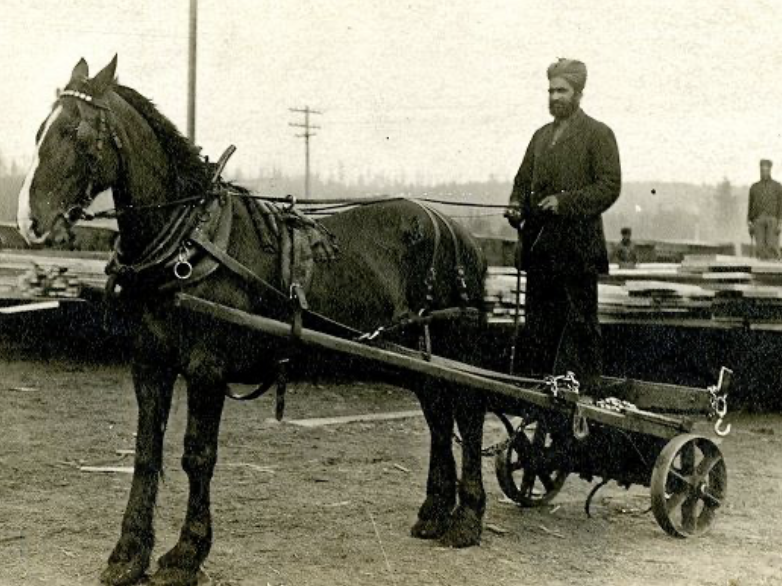
The community surrounding the mill once employed so many workers that it seceded from Coquitlam — but until this month, dozens of immigrant workers were omitted from the neighbourhood’s history.
The City of Coquitlam launched a new online exhibit on Tuesday, Fraser Mills Logbook Illuminates South Asian Millworkers, that features incident reports and records of South Asian workers who were employed by the Fraser Mills Company in the early 1900s.
It’s an initiative that will remind residents about the South Asian culture that once existed in the Fraser Mills neighbourhood, said Jamie Sanford, Coquitlam’s archivist.
Local news that matters to you
No one covers the Tri-Cities like we do. But we need your help to keep our community journalism sustainable.
“These millworkers were doing very dangerous work,” Sanford said. “There’s death, there’s people being maimed. It’s evidence that they lived and worked in this community, and they’ve been there for a long time.”
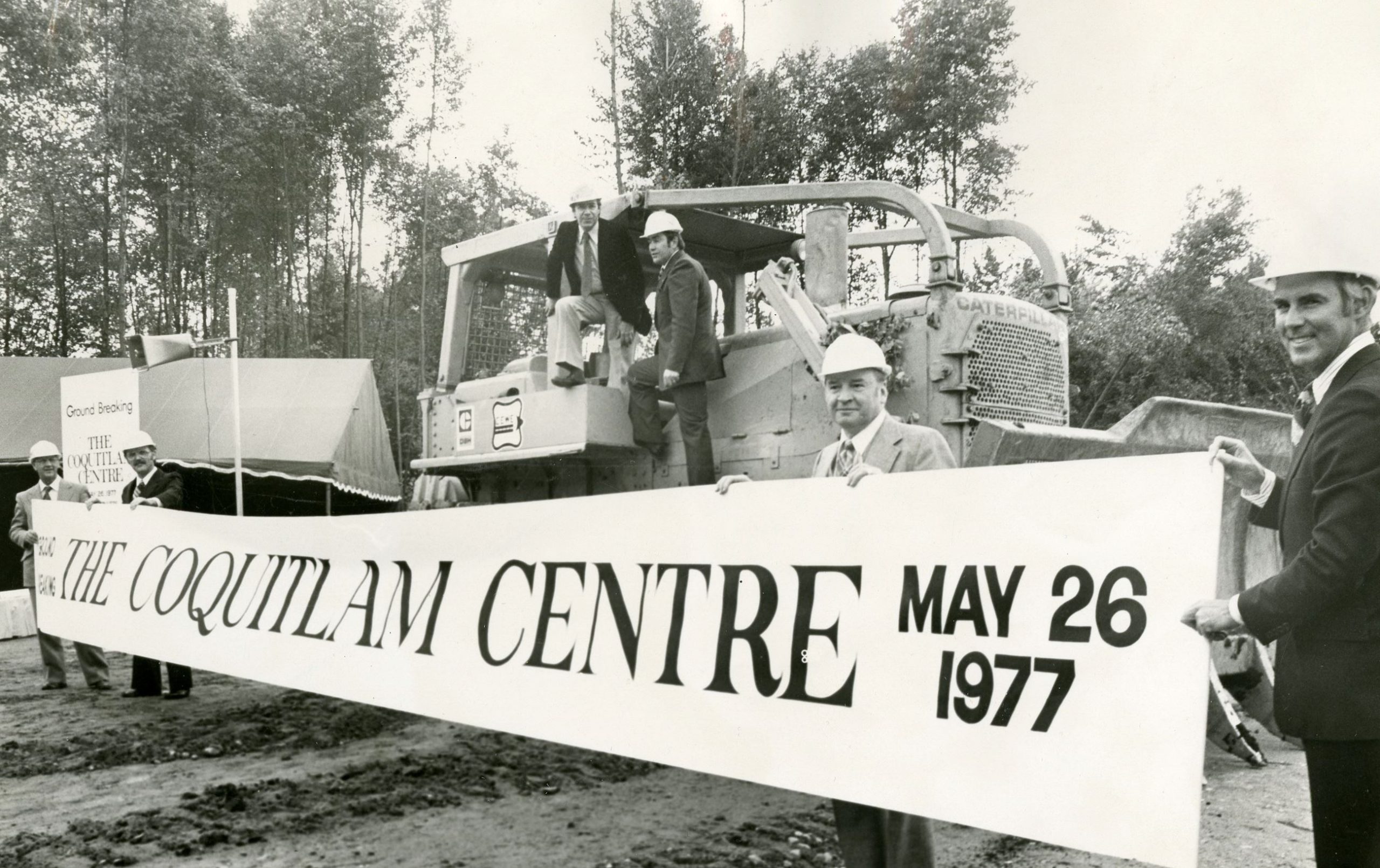
In the late 1800s, a pair of lumber workers from Quebec opened a sawmill on the shores of the Fraser River near what is now known as King Edward Street and United Boulevard.
The mill, which supplied wood to national and international customers, closed in 1903. But a new company bought the mill and reopened it three years later. Business quickly started to boom around the new building, later dubbed Fraser Mills.
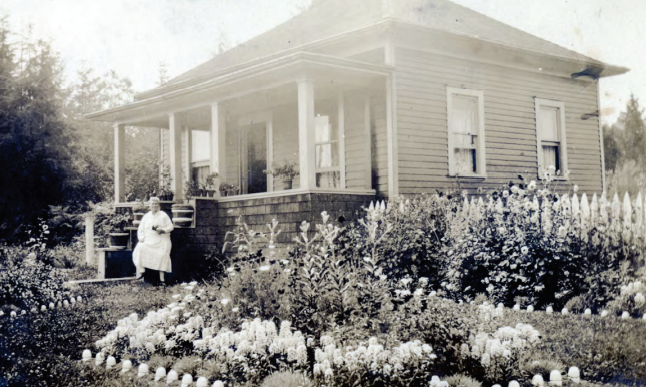
A post office, hospital and 20 homes popped up around the community, according to research from the Coquitlam Public Library’s digital archives. The population skyrocketed to nearly 900, leading the community to separate from Coquitlam. (The community later rejoined the city in 1971.)
Despite the population increase, international workers were denied the right to vote, said Sanford.
That led to a lack of records proving that more than 70 people of South Asian descent — Punjabi and Sikh — once called the community home, a network of people that also bore the brunt of many of the toughest jobs in the mill.
One South Asian man died while working at the mill, while others suffered bruises, fractures, sprains, burns and finger loss, according to the incident logbook.
“It was important for me to highlight that this community has been here for a very long time,” Sanford said. “You’re able to bring stories out into the light and [see] people that may have been forgotten.”
He added that the Coquitlam’s archive department has been working to digitize the logbook information since 2022, when a web exhibit chronicling the history of Fraser Mills was first released to the public. That exhibit was born out of a backlog of records — roughly three metres of books that had yet to be processed by the city.
Following its release, a high number of records remained unread. Sanford then stumbled upon an incident logbook featuring people with names that implied they were of South Asian descent.
“My wife is South Asian, I was looking through the names and I was like, ‘these are Punjabi names,’” Sanford said. “We didn’t know for sure what was going to be in there. . . . It was really gratifying. You get that ‘eureka’ moment where this is really cool.”
The team then reached out to the South Asian Canadian Digital Archive, an organization that tracks and preserves historical information about South Asian peoples across Canada. The group was keen on preserving the Fraser Mills history and having it made public to the community, which is an area that the city is also rapidly developing.
Coquitlam city council approved a master plan in 2022 that includes a new 4,600 square metre community centre and 5,550 units in the neighbourhood. The plan will also restore more than two hectares of natural area, and feature street signs that honour South Asian and other former immigrants who worked in the mill, Sanford said.
The release of the archive comes as Coquitlam becomes one of the most diverse cities in B.C.
Immigrants comprise 46 per cent of Coquitlam’s population, the third highest proportion in the province, according to data from the 2021 census. The South Asian population in the city, specifically, grew from 6,220 to 7,405 between 2016 and 2021.
“It’s been a really rewarding project,” Sanford said. “Sometimes archival work is not always as fun as this, so it’s nice when you’re making sure people’s voices are represented.”
He said he hopes the project will spark other exhibits that reveal a side of the city that residents do not know.
Sanford, who is nearly 50, says that many local archives and museums struggle with diversity, mainly for the fact that those institutions were started by Europeans.
Although some voices have been silenced, he says the city’s archive is actively combing through new documents — pieces of history that may be lurking in a backlogged folder, waiting for someone to share its contents with the public.
“People have been marginalized, sometimes not on purpose,” he said. “We’ve discovered the voices are there but we need to be creative where we’re looking.”
Author