Tri-Cities event marks International Overdose Awareness Day
As B.C. enters its ninth year of a toxic drug crisis, the Tri-Cities Community Action Team (TC CAT) is hosting an event for International Overdose Awareness Day (IOAD).
The goal is to raise awareness, reduce stigma, and honour the grief of families and communities who’ve lost loved ones to toxic drugs, said Roxanne Saxon, program coordinator for TC CAT.
The event will be held on Sunday, Aug. 31 at Town Centre Park Community Centre, from 11 a.m. to 3 p.m.
Local news that matters to you
No one covers the Tri-Cities like we do. But we need your help to keep our community journalism sustainable.
This is TC CAT’s fifth year of hosting an event for the day, which started in Melbourne, Australia, in 2001.
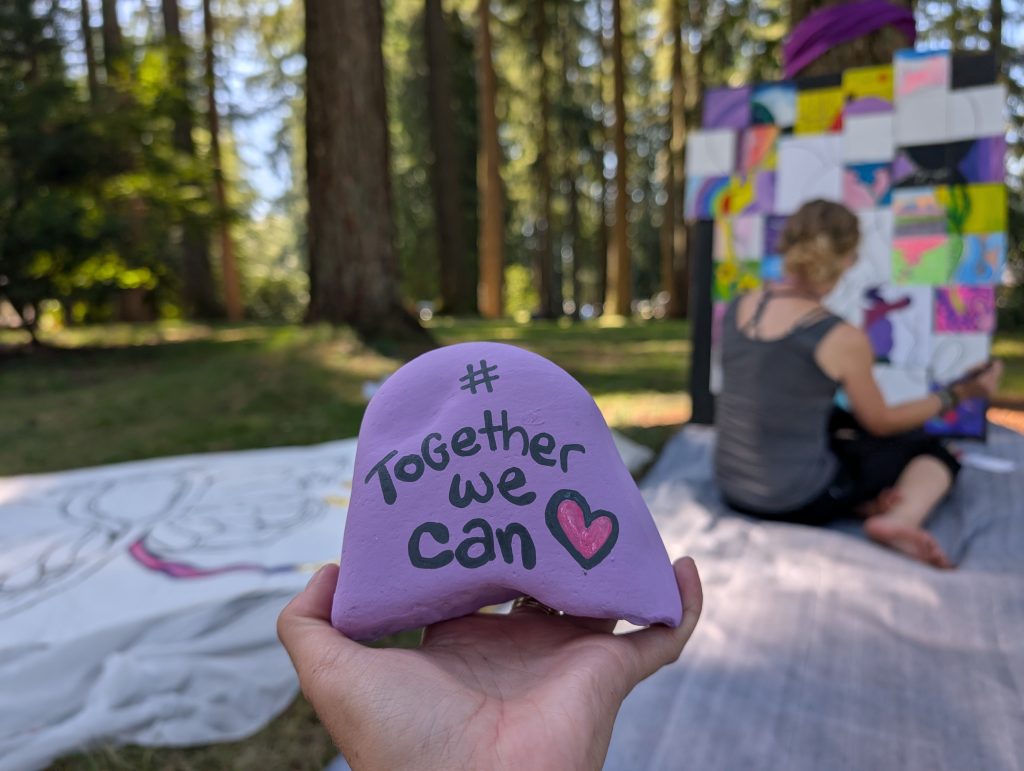
There will be a number of activities, including mental health and substance use resources, naloxone training and harm reduction, story sharing and a memorial tree, a guided tree walk and meditation, and interactive art.
Art is an important component of the event to help people express themselves and move through grief.
“You can be really loud through your art and not have to even say anything,” said Saxon. “It’s giving them a platform in a different way to share their story.”
She also hopes that this event will create change. TC CAT formed in 2017, in response to B.C.’s toxic drug crisis declared in 2016 which has since taken over 16,000 lives.
“Different communities were pulled to action because it looks very different in each community,” said Saxon.
In the Tri-Cities, she said, there isn’t a safe place for people to use substances, so most people use them “behind closed doors.”
She added that drugs are becoming increasingly toxic, and it is hard for the community and service providers to stay ahead of it.
For example, in May, a toxic drug alert was issued in Coquitlam warning that the drug supply might contain Tranq and benzodiazepine, drugs that can slow or stop a person’s breath. While naloxone can reverse the effects of fentanyl, it doesn’t for these.
“It’s just a far more potent drug supply, and it continues to continue to get worse and get worse over time,” Dr. John Harding, a public health physician, told the Dispatch in May.
Saxon also added that the Tri-Cities and B.C. as a whole need wraparound care — a place where people can see a doctor, access mental health support, and explore different treatment options to find what works for them.
And she emphasized the importance of de-stigmatizing drug users.
“People are still stigmatizing substance use, and so if we can get past that layer and see the actual person, then you remember, that’s a human being. That’s a person who has a story,” she said.
“How can we help? How can [the] community help?”