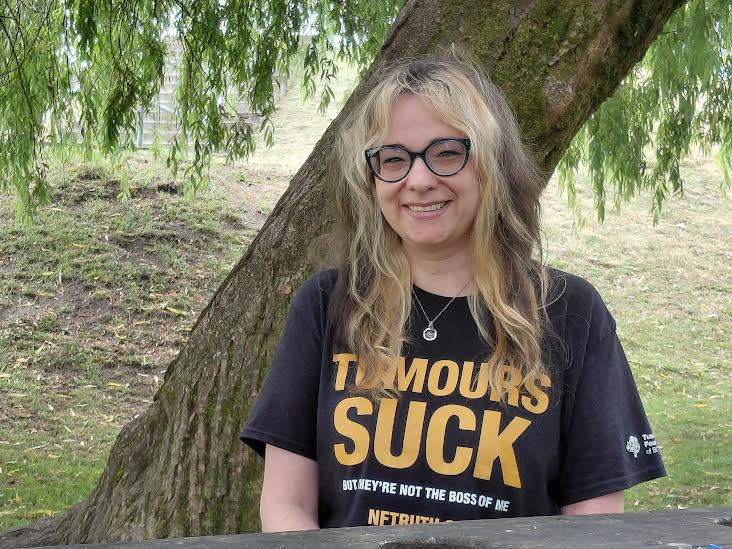
Lafarge Lake memorial for lives lost to the toxic drug crisis
A community organization is honouring the lives lost on the nine year anniversary of BC declaring a public health emergency
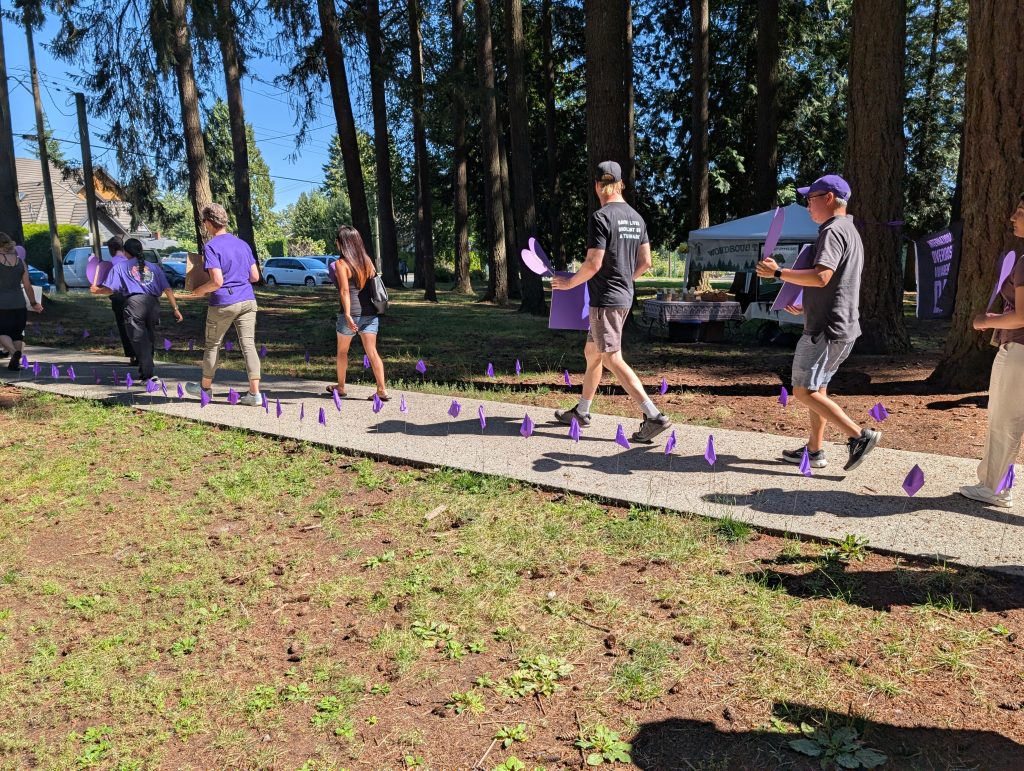
Next Monday, 1,500 purple flags will be up around Lafarge Lake in memory of the thousands of people in BC who have lost their lives to the toxic drug crisis.
Each flag represents about 10 deaths.
The Tri-Cities Community Action Team (TCCAT) is honouring a grim anniversary: it’s been nine years since B.C. declared a public health emergency of drug related overdoses and deaths.
Local news that matters to you
No one covers the Tri-Cities like we do. But we need your help to keep our community journalism sustainable.
The organization is inviting people to visit between 8 a.m. and 7 p.m. and to take a self-guided walk around the lake and write the name of a loved one on one of the flags.
“It’s a memorial walk, to remember those lives lost, for families impacted, communities impacted — because it impacts us all,” said Roxanne Saxon, the program coordinator for TC CAT.
From 2 to 6 p.m., TCCAT, alongside SHARE Family & Community Services and the Progressive Housing Society, will share resources and space for conversation. They’ll have counselors on site for support and have conversations about the crisis.
In 2016, when BC first declared the public health emergency, there were eight lives lost from toxic drugs each day.
“We’re nine years into this crisis. And I think people, they don’t realize it until it hits close to home. And unfortunately, it’s been hitting close to home for a lot more people,” said Saxon.
As of January 2025, the B.C.’s corners service has reported more than 16,000 deaths since 2016. In 2024, 2,271 British Columbians lost their lives from toxic drugs.
Now, deaths in B.C. are at about five per day. While this is a decrease from nine years ago, Saxon noted that it doesn’t reflect how many people have been hospitalized or have brain damage from multiple overdoses.
“It’s a mental health problem as well now,” she said.
More resources needed
Since 2016, the province has taken several measures to prevent deaths — including increasing access to naloxone (an opioid overdose reversal medication) and harm reduction services like supervised consumption sites.
But Saxon said more needs to be done to support people with addiction — including more treatment centres in the Tri-Cities.
“People that want to go to treatment are sitting on these wait lists for so long. Why is there not more funding and more options available for people?” She said, “Now you’re ready. Now you want to go into recovery, but now you’re on a wait list.”
Saxon said that breaking down the stigma around drug use is important, as that stigma prevents people from seeking help when they need it.
Community engagement is an important part of the solution — which could be as simple as checking in on your loved ones or smiling at people you pass by on the street.
“If we all worked together as a community, that can definitely help. The opposite of addiction is connection.”