
Q&A with Bonita Zarrillo, NDP candidate for Port Moody-Coquitlam
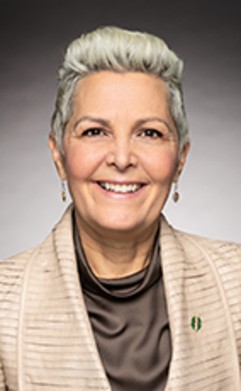
Name: Bonita Zarrillo
Party: NDP
U.S. Relations
Local news that matters to you
No one covers the Tri-Cities like we do. But we need your help to keep our community journalism sustainable.
Canada–U.S. trade relations have become increasingly tense. The new Trump administration has threatened our sovereignty, and initiated a trade war impacting Canadian jobs, manufacturing, agriculture, and energy exports.
Amid U.S. nationalist and protectionist policies, should Canada be trying to repair its relationship with our southern neighbour?
The NDP will fight to protect everyday people from paying the cost of Trump’s trade war while building a stronger, fairer economy for the future; meanwhile, the Conservatives are planning to open up the doors to Canada to U.S. corporations and the Liberals continue to back trade deals that sell out Canadian industries.
No relationship with the south can be repaired until America and President Trump understand that Canada will not be intimidated and he will never get to decide our future.
What steps should Canada take to protect its economy?
Now, more than ever, we need to be standing up for Canada against harmful tariffs and threats coming from the U.S. We will never be the 51st state.
The NDP will reject trade deals that sell our Canadian jobs, we will fight to keep our healthcare public, and we will lock in protections for Canadian industries, labour rights, and public control – because our country is not for sale.
Affordability & Cost of Living
Inflation has moderated but remains a significant concern. Many Canadians are struggling with stagnant wages, rising rents, and the high cost of essentials like groceries and fuel. Food bank use has hit record highs.
What is your plan to address the rising cost of living, especially housing, groceries, and transportation, which continue to outpace wages for many Canadians?
There are a number of things myself and the NDP are committed to doing to address the rising cost of living in Canada. Some of these things include scrapping the GST on basics like groceries, diapers, kids’ clothes, internet and phone bills. We are also in favour of price caps on basic essentials at the grocery store so everyone can put dinner on the table for less.
We will also continue to push for expansions in the National Dental Care Program, that would not have been possible without NDP MPs pushing for it in Ottawa.
How will your policies ensure long-term affordability, rather than short-term relief?
We put people before corporate profits. As your MP, I’ve tabled legislation to enshrine the right to adequate, affordable housing and end the financialization of homes, ensuring lasting affordability—not just band-aid solutions.
Do you believe price-fixing is a systemic issue? If so, how should it be addressed?
Yes, price-fixing by corporate landlords is a systemic problem. I’ve called for investigations into AI-driven rent hikes and demand accountability from those using these tools to gouge renters.
Housing Crisis
Canada faces a severe housing shortage, particularly in major cities. CMHC estimates the country needs over 3.5 million new homes by 2030 to restore affordability. Homelessness is rising, and many young Canadians are locked out of the housing market.
What specific measures will you take to increase the supply of affordable housing?
The NDP is in it for regular folks, not billionaires or bankers who buy up housing stock and price gauge families just trying to find a place to call home.
We will make it easier to find a good and affordable place to call home by building homes that people can afford, faster as well as supporting first time home buyers to reach their dream of owning a home. Houses should be for people and families, not corporate landlords like Mark Carney.
How will you address homelessness and ensure vulnerable populations have access to secure housing?
We’ll build non-profit and co-op housing, protect renters from unfair evictions, and prioritize people’s right to housing over corporate profits. Vulnerable groups will have real access to secure, affordable homes.
Climate Change and Energy Transition
Canada is not currently on track to meet its 2030 emissions reduction targets under the Paris Agreement. Extreme weather events like wildfires and floods are becoming more frequent, and many governments are transitioning away from fossil fuels to clean energy.
How should Canada balance priorities regarding its natural resources and climate policy?
We must transition away from fossil fuels, invest in clean energy, and protect workers and communities. Our approach puts climate action and good jobs ahead of oil company profits.
What are your party’s concrete targets for reducing greenhouse gas emissions between now and 2030, and how will you ensure accountability?
We’re committed to meeting and exceeding Paris targets with investments in renewables, energy retrofits, and accountability through independent oversight and transparent reporting.
Health Care
Health systems across provinces are under pressure. Staffing shortages, long ER wait times, and limited access to family doctors are widespread.
How will you address the shortage of family doctors and long wait times in emergency rooms across the country?
Myself and the NDP are committed to increasing health transfers, train and recruit more doctors and nurses, and ensure equitable access to care—especially in underserved areas.
Do you support expanding public health care to include dental care, pharmacare, and mental health services? If so, how will it be funded and implemented?
Yes. We’ve already delivered dental care, are expanding pharmacare, and will include mental health. We’ll fund this by making the ultra-wealthy and big corporations pay their fair share.
Indigenous Reconciliation
Progress on the Truth and Reconciliation Commission’s 94 Calls to Action and the MMIWG Inquiry’s Calls for Justice has been slow.
What steps should be taken regarding the TRC’s Calls to Action and the MMIWG Inquiry’s Calls for Justice?
Indigenous Canadians have been let down by successive Liberal and Conservative governments – residential school survivors have been taken to court by the Liberal government while Conservatives outright deny the history of residential schools.
New Democrats will work in a true nation-to-nation way that respects Indigenous relations and will implement all of the calls to action from the Truth and Reconciliation Commission.
How will you approach equitable access to clean water, health care, housing, and education in Indigenous communities?
We will work closely with communities to lift all long-term boil water advisories and ensure that there are jobs in communities to manage water treatment facilities. The NDP also forced the Liberals to allocation $8 billion for housing for Indigenous people – this is far from enough but we will continue to fight for the rights and dignity of Indigenous communities across Canada.
Economic Inequality & Tax Reform
Wealth inequality is growing in Canada. The wealthiest Canadians have seen major gains, while lower- and middle-income households face stagnating or declining real incomes. Corporate profits remain high, yet some large companies pay minimal tax.
Do you support changes to Canada’s tax system? If so, what specific reforms do you propose?
Life is already too expensive for Canadian families. They can’t afford to bear the brunt of this trade war that no one in Canada asked for. That’s why we need big business and the wealthiest to pay their fair share in taxes. We support a middle class tax cut, and higher taxes for billionaires.
How would you reduce income inequality?
If the ultra wealthy are paying more in taxes, there will be more money available to be invested in the services that individuals and families need. Both Mark Carney and Pierre Polievre are planning tax cuts for the wealthy, which will only increase income inequality and make regular Canadians pay the price.
Technology, Misinformation & AI
The rise of artificial intelligence and digital misinformation threatens public trust, job security, and democratic institutions. Canada has yet to pass comprehensive legislation to regulate AI and social media algorithms.
How will your government address the growing influence of misinformation, particularly regarding discourse on U.S. tech platforms?
We’ll strengthen regulations on tech giants, support independent journalism, and increase transparency to protect our democracy from misinformation.
What safeguards will you put in place regarding the development and use of AI in Canada, including impacts on jobs, privacy, and ethics?
We’ll legislate ethical AI standards, protect workers, and ensure privacy rights—putting people’s interests ahead of corporate tech profits.
Democratic Reform
Many Canadians feel alienated from federal politics. The 2015 Liberal promise of electoral reform was abandoned. Concerns over transparency, lobbying, and accountability continue to erode trust.
Do you support electoral reform to move away from the first-past-the-post system? Why or why not?
Election after election, too many Canadians have been left to feel like their vote didn’t count, and their voice wasn’t heard. The Liberals promised an end to first past the post in 2015, and they never did it.
Our NDP government will make 2025 the last election under an unfair electoral system – for real this time.
What will you do to restore public trust in government institutions and political transparency?
An NDP government will reduce corporate influence in politics, strengthen transparency laws, and ensure government works for people—not CEOs.
Immigration
Canada has ambitious immigration targets, but there’s growing concern about whether infrastructure—especially housing, transit, and social services—can keep pace.
What is your plan for balancing immigration with infrastructure and housing capacity, particularly in high-demand cities?
We support ambitious immigration but will align targets with housing, health care, and transit capacity, working with provinces and cities to ensure successful integration.
Should Canada’s immigration targets be adjusted?
Targets should reflect our real capacity to provide housing, health care, and services, ensuring newcomers and communities thrive.
Crime & Public Safety
Concerns about violent crime, organized crime, gun violence, and safety in public spaces have increased in many communities. At the same time, experts emphasize the need for evidence-based approaches that focus on prevention, mental health supports, and root causes. There’s also ongoing debate about bail reform, policing budgets, and systemic inequities in the justice system.
What is your plan to address crime and improve public safety, particularly in urban settings?
Historically, the Conservatives (while Pierre Polievre was in cabinet) cut crime prevention programs and slashed $600 million from the RCMP’s budget and for 10 years the Liberal government refused to reverse these cuts. The NDP supports community-based crime prevention programs and we will launch a National Crime Prevention Strategy.
How will your approach balance enforcement with investments in mental health, addiction treatment, housing, and poverty reduction as part of a long-term strategy for safer communities?
We’ll invest in mental health, addiction treatment, housing, and poverty reduction—addressing root causes, not just symptoms.
Toxic Drug Crisis & Public Health Response
Canada’s toxic drug crisis continues to worsen, with more than 50,000 deaths since 2016, driven largely by fentanyl and other synthetic opioids. The crisis affects people across age groups, income levels, and regions, and is closely tied to mental health, poverty, and homelessness. Provinces and cities are calling for stronger federal leadership on harm reduction, treatment, and decriminalization.
What is your plan to address the toxic drug crisis?
We know that we must treat the toxic drug crisis like the emergency that it is. This means treating it as a health matter, listening to the experts and providing a safe supply of substances while also making sure that when people ask for help, we’re ready to provide it to them.
Will your party support harm reduction measures such as safe supply programs, supervised consumption sites, and decriminalization of drug possession?
Ending this crisis also means making investments in education and prevention, harm reduction, treatment and on-demand recovery services. We need to stop punishing people for their addiction, which is truly a public health crisis, and take on the real criminals – those selling the drugs.
How will you expand access to addiction treatment, mental health care, and long-term supports to prevent overdose deaths and help people recover?
We’ll ensure universal access to mental health and addiction services, expand harm reduction, and fund long-term supports so everyone gets the help they need.
Is there an issue you plan to address that is not part of your party’s platform?
I’m committed to fighting for an affordable future, including environmental protections and defending public green spaces, ensuring our communities remain livable for everyone.
Why should Canadians vote for you?
I am running to continue to get wins for Canadians. The NDP’s work in the 44th parliament got Canadians the largest expansion of healthcare in a generation and we are not done yet. The NDP Dental care is continuing to expand, and pharmacare and affordable childcare are now law. With the Conservatives threatening to cut these and other important affordability measures for Canadians, Port Moody – Coquitlam needs a strong and proven voice in Ottawa who can win against the Conservatives.
Related Articles


‘Sideswiped by history’ A closer look at incumbent Bonita Zarrillo’s loss in Port Moody-Coquitlam and the fall of the NDP
Bonita Zarrillo, NDP candidate and incumbent for Port Moody-Coquitlam, was one of the many in the party who lost their seat in the 2025 election