140 purple flags to mark 8th anniversary of toxic drug crisis
Local residents will be reminded this Sunday of the eight years that have passed and the lives lost since the province declared a public health crisis.
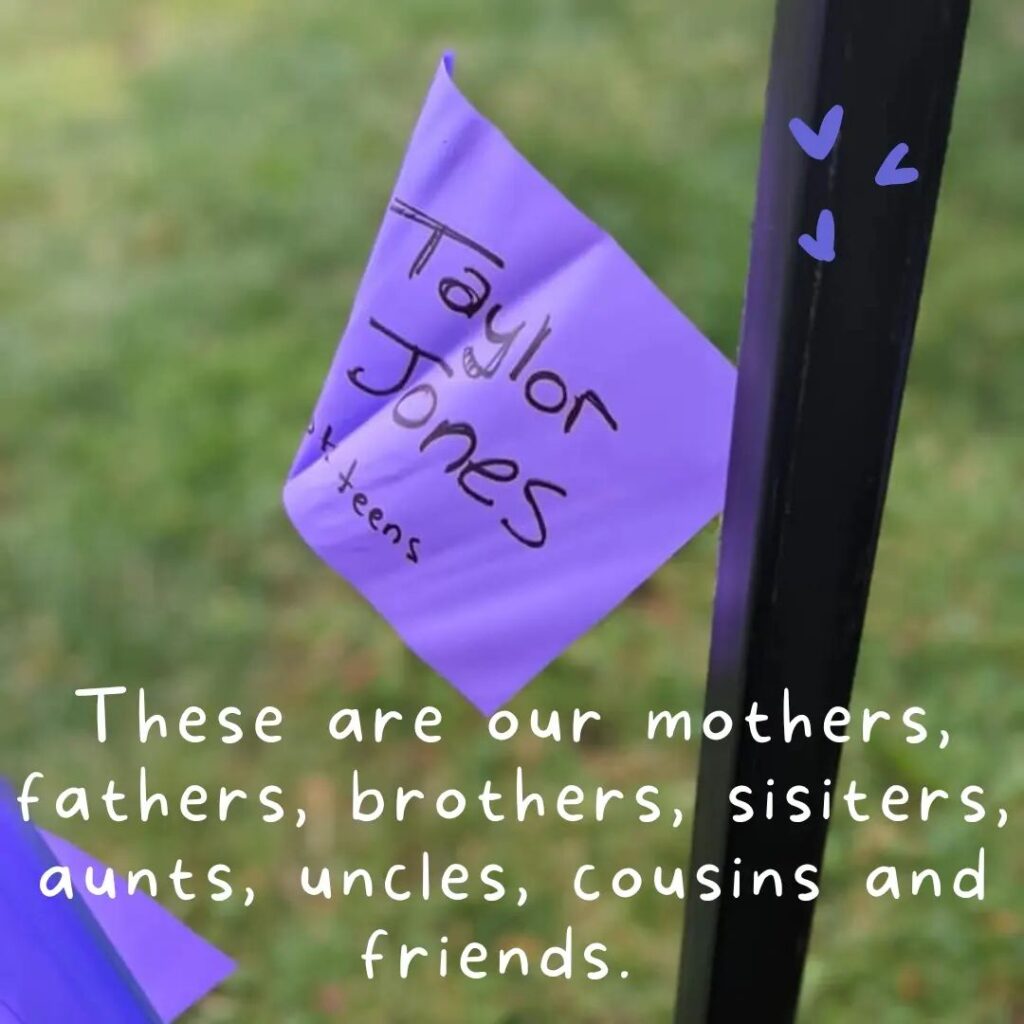
The TriCities Overdose Community Action Team (TCCAT) will once again hang purple flags along Coquitlam, Port Coquitlam and Port Moody’s arterial routes – each flag representing 10 people killed in B.C. by toxic drugs since April 14, 2016.
Last year, 110 flags were put up; this year, there’s 140.
Local news that matters to you
No one covers the Tri-Cities like we do. But we need your help to keep our community journalism sustainable.
“It’s just incredible how many people have actually been touched by the crisis,” said Roxanne Saxon, program coordinator at TCCAT. “You’re losing one life, but you’re also creating a ripple effect through the community.”
A total of 342 people died in the Tri-Cities from unregulated drugs from 2016 to 2023, according to the BC Coroners Service statistics, out of over 14,000 killed across the province
The worst year on record for the Tri-Cities occurred in 2021, where 65 people died; a total of 104 lost their lives in 2022 and 2023.
Coquitlam suffered its worst year on record in 2022 with 35 deaths. Seven deaths have occurred in the city within the first two months of 2024.
Starting at Albert Street in Port Moody, the flags will run along St. Johns Street, through the Barnett Highway in Coquitlam, and Lougheed Highway in Port Coquitlam ending at Ottawa Street.
Saxon said the purpose of the flags is to break down stigmas and spread awareness that people don’t have to suffer alone.
The visual display will be accompanied by signs informing residents of the deadly trends accompanying the toxic drug crisis.
Saxon said the statistical trends in the Tri-Cities are very similar to those across the province: adult men are dying at significantly higher rates, and they are dying alone and indoors.
Out of the 377 people who died in the first two months of the 2024, 70 percent were between the ages of 30 and 59, and 72 percent were male, according to the BC Coroners Service.
The biggest message TCCAT wants to get across is that residents need to be watching out for their family, friends and neighbours, Saxon said.
She said the society has become increasingly isolated and not focusing on the health of their communities.
“This is a community problem, we need to come together as a community to check in on loved ones, break down the stigmas and remove isolation, so people are not ashamed,” Saxon said. “That’s what saves lives.”
TCCAT has been sending delegations to local city councils as well as hosting community events and outreach programs to help residents share their stories and bring awareness to the issue.
Saxon said they want drug users to start using safety services such as the Lifeguard app, which will send emergency services to their location if they become unresponsive; and the National Overdose Response Service, which connects the user to a peer who can monitor them.
“Somebody’s gotta’ save your life, so if you’re home alone and nobody knows, that’s how you will lose your life,” she said.
TCCAT is still looking for volunteers to help them put up the flags on Sunday morning at 7 a.m., and remove them in the evening.
Interested parties can email her at info@tri-citiescat.ca.
Author