Port Moody rethinks how it manages public lands, with potential sales on the horizon
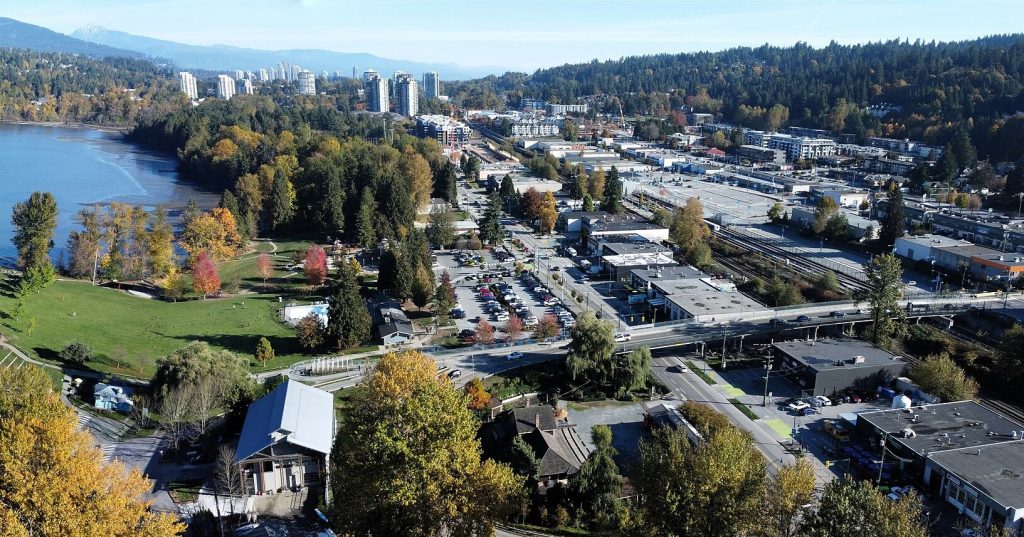
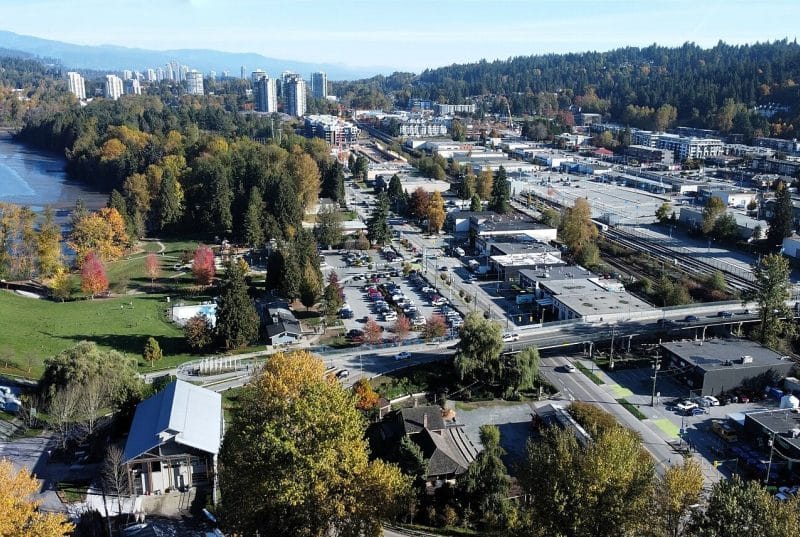
Port Moody is rethinking the way it manages publicly-owned lands, preparing for potential sales, leases, land swaps and purchases as the city grows.
A revised version of the city’s 2017 Land Management Strategy was introduced to council on June 18, passing in a 6-1 vote.
Coun. Callan Morrison said strategic sales of surplus land will help maximize value and pay for community needs, adding the city could end up with significantly more public land as a result.
Local news that matters to you
No one covers the Tri-Cities like we do. But we need your help to keep our community journalism sustainable.
“This is not a sale of land strategy. This is a land management strategy . . . something that has kind of fallen by the wayside,” Morrison said. “Burnaby is extremely good at it, and they’re very, very rich because of it.”
In the coming years, several city-owned properties within or adjacent to proposed developments will require strategic-land decisions, according to a memo from Paul Rockwood, general manager of finance and technology.
Rockwood said the former policy lacked the proper background information, elements, and strategies to be effective.
A vision, mission and mandate statement have been added to the new version, providing a: “high-level sense of purpose, direction, and culture.”
Leveraging the value of public land is “critical” for ensuring long-term financial sustainability, building new assets and infrastructure, and continuing service levels, according to the strategy.
Its mission statement stresses “unlocking potential value” to deliver “strong long-term returns.”
“As an appreciating asset, disposition of land will be considered to mitigate some of the inflationary pressures placed on the city due to growth.”
Selling land would also help finance major capital projects, housing initiatives, and develop strategies to manage a continuum of real estate transactions, according to the strategy.
The lone vote against the policy’s revision was Coun. Haven Lurbiecki, who called it a “blueprint” for selling off public lands.
She said the revision changes the intent of the policy, monetizing community assets as part of “everyday business.”
While that might work in larger cities with more land, Port Moody is tiny, and holds a miniscule amount of surplus land, according to Lurbiecki, adding it has some of the highest land values in Metro Vancouver.
“What ever happened to having growth pay for growth?” she said. “It really benefits, at the end of the day, the private sector that buys up this land.”
Lurbiecki said selling off public land is always short-sighted, as that land will be needed for amenities in the future. She also pointed towards previous community resistance to such sales.
Port Moody rejected a proposal to subdivide the city’s former firehall and public works yard during a referendum in the 2018 municipal elections, which would have paved the way for a development project.
Other councillors, however, rejected Lurbiecki’s characterization. Coun. Kyla Knowles said it was “misleading” and “offensive” to residents, noting the strategy does much more than allow for the sale of land.
She said by leveraging the value Port Moody’s current assets, the city could use the funds to purchase new land and expand the city’s footprint, acquiring parkland and expanding existing facilities.
“Decisions about city land need to be made,” Knowles said. “It’s not just about selling land to developers, that is such a simplistic reduction.”
Knowles said there were significant costs for not making decisions, including lost opportunity. She pointed out that while private developers can sit on a piece of land and watch its value appreciate, cities have to consider carrying costs and tax revenues.
Coun. Amy Lubik added that private and public actors value parcels differently, and there are important opportunities for land swaps and leases.
“We’re not talking about (land) in the city the same way you would if you’re a developer. We’re talking about optimizing community benefits,” Lubik said. “Parkland can be seen as a lot more valuable to the public . . . but it may not be the kind of space that looks great in a pro-forma.”
Coun. Samantha Agtarap agreed, stating natural assets don’t have any dollar value for a developer, and Morrison pointed to a recent land swap with a developer, in which the city received 4.02 acres of undevelopable adjacent parkland in return for 0.16 acres of public road.
Some councillors, however, acknowledged that Port Moody does hold a small amount of surplus land, and recognized upcoming decisions will be critical to the city’s fiscal health.
Lubik said any sales should be a “last effort,” and only if there is an opportunity to purchase more or provide needed amenities. “Once it’s gone, it’s gone,” she said.
The strategy’s guiding principles state that full reviews are required before classifying any public land as “surplus,” and only surplus lands will be considered for redevelopment, subdivision, servicing, sale, lease, or swap.
The city should continually scan for additional purchases, and strive to maintain and replenish its land inventory. Half the proceeds from land sales would be put into reserves to make strategic acquisitions for future generations, the strategy stated.
Author