Port lockout set to end as feds order binding arbitration
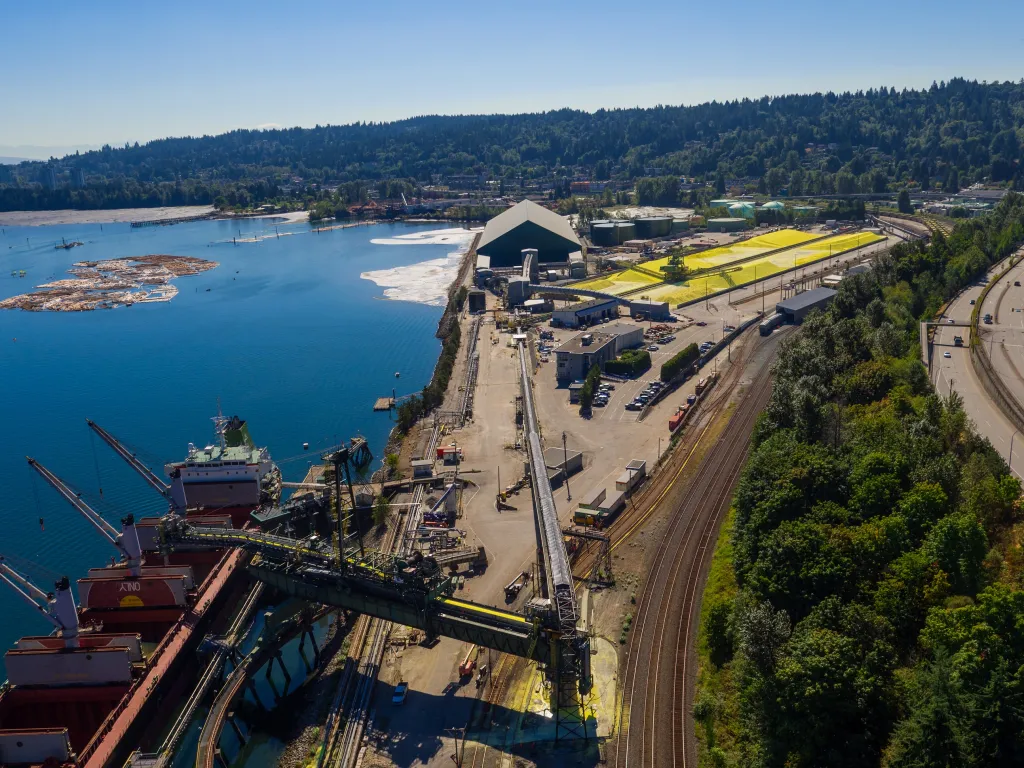
Following an eight-day lockout, operations are set to resume at the port as the federal government again ended a labour-management impasse with an order for both parties to enter binding arbitration.
The BC Maritime Employers Association, which represents 49 waterfront employers, and the International Longshore and Warehouse Union each demonstrated an “alarming lack of urgency” in reaching a new deal, according to federal Labour Minister Steve MacKinnon.
Speaking at a press conference broadcast by CPAC on Tuesday, MacKinnon described the state of negotiations as a total impasse.
Local news that matters to you
No one covers the Tri-Cities like we do. But we need your help to keep our community journalism sustainable.
“Today, we are still far from a deal,” he said. “Mediators determined that no path forward is possible based on the inflexibility on both sides.”
MacKinnon defended his order, emphasizing the effect the lockout was having farmers, small businesses and autoworkers. The work stoppage was also affecting Canada’s reputation as a reliable trading partner, he added.
“We simply cannot afford this uncertainty and instability at this moment.”
Asked about the legality of the order, MacKinnon said he expected a legal challenge.
“That’s something that we were expecting but it’s also something we expect to defend vigorously in court.”
After the previous contract expired in March 2023, the union was set to step up job action earlier this month by not working overtime and refusing to implement tech change beginning Nov. 4. Later that day, BCMEA locked out more than 700 workers.
NDP leader Jagmeet Singh blasted the decision as an anti-worker attack that ensures unions have no power.
“Back-to-work orders suppress wages for all Canadians, so billionaires get richer and the rest of Canadians fall further behind,” Singh stated in a press release.
The decision was praised by Fertilizer Canada CEO Karen Proud, who noted impacts the lockout was having on food security.
“Canada’s ports are critical for the import and export of fertilizer products, which help farmers both at home and globally produce healthy, robust crops,” Proud stated.
The labour code should be amended to allow for the continuous movement of fertilizer through Canada’s ports during work stoppages, similar to the exception for grain, Proud added.
Automation
Following several bargaining sessions, the union broached the issue of minimum staffing requirements earlier this year.
The proposal was too late and had the effect of “shifting the bargaining landscape,” according to BCMEA.
The Canada Industrial Labour Relations Board panel generally agreed.
While acknowledging remote and semi-automation would mean changes to minimum staffing levels, the board noted those decisions are within management’s discretion.
Author