More than 2,300 fish killed off at Hyde Creek Hatchery in Port Coquitlam, but no contamination source found
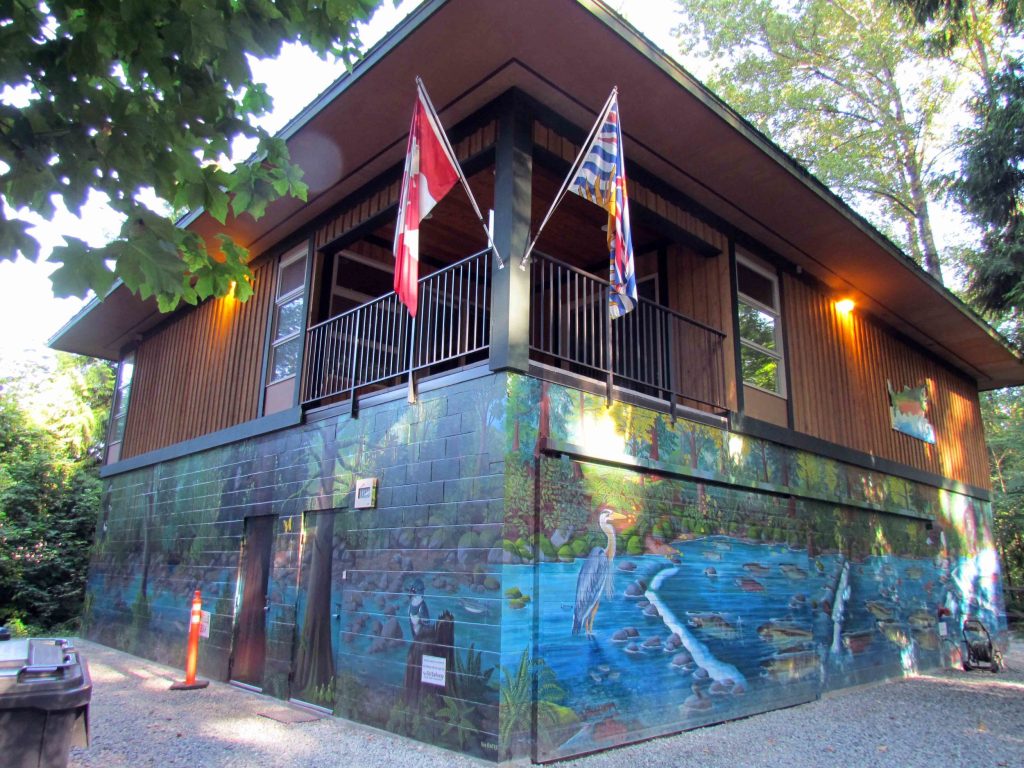
More than 2,300 fish were poisoned at the Hyde Creek Hatchery in Port Coquitlam at the end of last month, but a city-led investigation could not locate the source of the pollution.
“It’s likely that whatever caused the fish kill, passed through the system fairly quickly with the rains we experienced,” said Dave Kidd, manager of public works. “Unfortunately this also means that locating a source of contamination is extremely difficult.”
On April 25, the city received a report notifying staff of a large fish kill in one of the hatchery’s rearing pools, leading to environmental consultants being dispatched to test the water quality and look for additional dead fish in the creek.
Local news that matters to you
No one covers the Tri-Cities like we do. But we need your help to keep our community journalism sustainable.
No additional fish mortality was observed, and the test results did not indicate pollution was still present in the stream, Kidd said.
Hatchery Manager Terry Sawchenko told the Tri-City News an unknown blue-coloured substance was observed in the stream, adding the fish kill has wiped out 20 per cent the hatchery’s coho stocks.
The Dispatch tried reaching out to Hyde Creek Watershed Society on numerous occasions, but no response was received.
Kidd said that based on anecdotal information from hatchery volunteers, water conditions, and a lack of residual pollution, the environmental consultants suspect the contamination to be from alkaline materials, such as concrete contact water, or hypochlorite used for cleaning pools, hot tubs, and patios.
“These materials can quickly alter the pH in streams, and can cause rapid fish mortality,” said Kidd said. “It is critically important that these types of materials do not enter city storm drains, as each storm drain eventually leads to a salmon-bearing stream.”
He added a number of properties in the area have swimming pools, and it is pool cleaning season.
The city will be doing targeted outreach, providing local residents with educational information related to the harmful effects pool water and associated chemicals can have on salmon and the environment.
Environment and Climate Change Canada has also been made aware of the incident, stating its B.C. enforcement officers have also been in contact with hatchery.
However, they said enforcement is out of their jurisdiction because no immediate source of pollution was identified, and the fish kill occurred in the hatchery’s through tanks, rather than the fish-bearing creek.
This is not the first time Hyde Creek has experienced significant fish kills in recent years.
In March, 2022, a toxic fluid was dumped down a storm drain in the Lincoln Drive neighbourhood, killing dozens of fish and leading to a several-day effort to dispose of the bodies so other wildlife would not be poisoned.
The following June, another unknown substance at the hatchery killed off 334 coho fry and 57 smolts.
In both cases, no pollution source was ever identified.
Author