Vendor exclusivity contracts cost sports organizations thousands, says Port Moody lacrosse association president
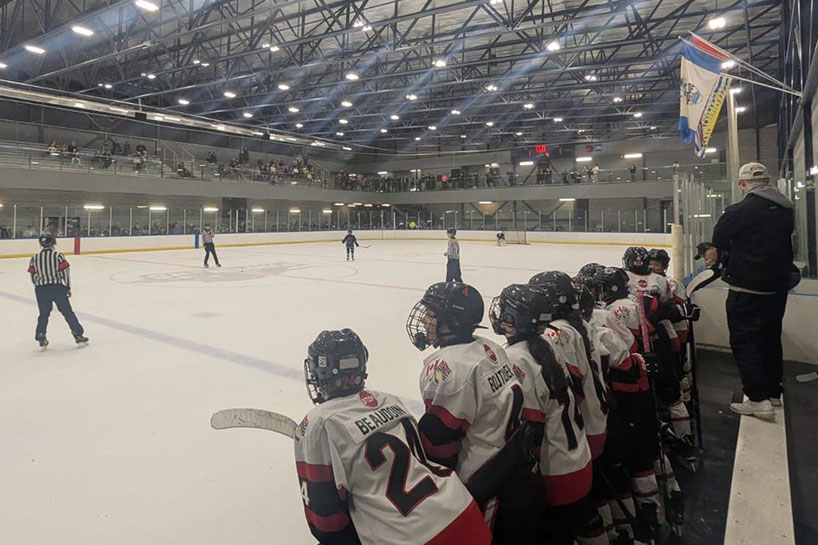
Contracts that allow one vendor to handle all food sales at Port Moody Recreation Centre are making life more expensive for hockey and lacrosse teams, according to two local sports organizations.
While vendor exclusivity clauses help offset the city’s operational costs, those contracts cost hockey and lacrosse associations approximately $20,000 per year, according to a letter from Port Moody Lacrosse Association president Allen Wales.
“As non-profit organizations, we have found it particularly difficult to offset this loss of fundraising since enforcement started,” Wales said. “Please let us help make sport more affordable for our kids.”
Local news that matters to you
No one covers the Tri-Cities like we do. But we need your help to keep our community journalism sustainable.
Wales focused on the city’s contract with WAVES Coffee, which granted the company exclusive access to vending machines and food sales within 100 metres of the rec centre’s entrance.
Wales claimed the vending machines are poorly maintained, do not accept credit cards, and are often empty on tournament weekends, adding to parents’ frustrations.
Local sports associations used to rely on vending machines and concession stands to raise money for their teams’ high expenses like fees, equipment and travel.
PMAHA President Stephanie Naqvi also wrote to council, stating profits from these tournaments kept teams’ registration fees and costs lower.
Both presidents advocated for the removal of the exclusivity clause.
After receiving the complaints on Feb. 11, council unanimously approved a review of its policies around exclusivity clauses.
The motion directs staff to report back on the scope of exclusivity and non-compete clauses in all city contracts, and identity policies and tools to ensure the city finds the best value in negotiations. There may be unintended consequences in some cases, such as preventing a facility to be utilized to its full intended use, according to the motion.
Coun. Callan Morrison said he introduced the motion after hearing concerns from several hockey and lacrosse families.
“With the city investing in new recreation facilities, such as the new field house at Bob Favelle Field, it is essential that we look at how these clauses are framed,” Morrison said.
Morrison said the city should not to “handcuff” itself, and needs to determine when it is appropriate to use an exclusivity clause.
Coun. Kyla Knowles agreed the city should not be held back by restrictive clauses, and she supports lowering costs to the community whenever possible.
“I do support staff reporting back on this as hopefully they can help us identify alternative ways to allow our community groups to fundraise,” she said.
Knowles suggested the city could benefit from corporate sponsorships, noting the City of Coquitlam has around 200 deals in place to fund city events and programs.
She said the vast majority of Canadian municipalities actively leverage public assets for additional revenues, and Port Moody could look into things like naming rights, pointing to the Pacific Coast Terminal Rocky Point Stage as an example.
“While I believe the majority of Port Moody residents will want public buildings and spaces to remain public, I think there are other untapped opportunities for event and program partnerships,” Knowles said. “While policies are great, this should not hamper our ability to be nimble and to think outside the box.”
Discussion on the motion was limited, as council is legally prevented from disclosing information on contract agreements to the public.
Coun. Diana Dilworth said she was uncomfortable with even a cursory discussion on the motion.
“This is not the place to be talking about specific vendors and their agreements with the city,” she said, adding the item needs to come to a closed meeting before any details get released.
Author