One quarter of Port Moody residents surveyed avoid some parks because of dog-related concerns
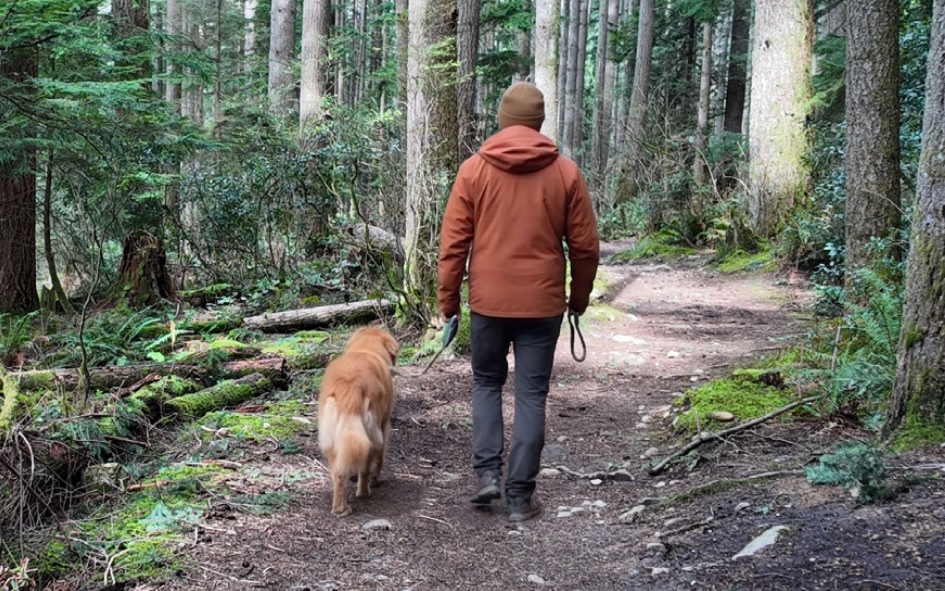
Nearly one in four people who responded to a City of Port Moody survey say they avoid certain parks because of dog-related issues, with Bert Flinn Park and Rocky Point Park emerging as the locations most frequently avoided.
The findings were presented to Port Moody council on July 14 as part of the first phase of public engagement for the city’s People, Dogs, and Public Spaces Strategy, which is intended to guide future decisions on off-leash areas, dog-friendly amenities, bylaws, enforcement and public education.
The strategy aims to balance the needs of dog owners versus other park users while protecting environmentally sensitive areas. Future recommendations could include changes to off-leash areas, education campaigns, park design and bylaw enforcement.
Local news that matters to you
No one covers the Tri-Cities like we do. But we need your help to keep our community journalism sustainable.
The first phase of engagement included three pop-up events, an online survey and discussions with the parks committee. In total, 349 people completed the survey, with 58 percent identifying as dog owners and 42 percent as non-dog owners.
One of the clearest findings was a sharp contrast between the experiences of dog owners and those who do not own dogs.
According to the engagement summary, 79 percent of dog owners reported positive experiences with dogs in parks and on trails, compared with significantly more mixed responses from non-dog owners. Across both groups, respondents consistently said positive experiences were associated with dogs being leashed and under control, while negative experiences stemmed from rule breakers.
The divide extended beyond parks. While 78 percent of dog owners reported positive experiences with dogs in other public spaces such as sidewalks and plazas, non-dog owners again expressed more mixed opinions.
Survey results showed 26 percent of respondents avoid certain parks because of dog-related concerns.
Avoidance rates were slightly higher among non-dog owners than dog owners.
Respondents identified off-leash dogs in on-leash areas, uncollected dog waste, dogs not being properly controlled and uncomfortable encounters with aggressive or poorly behaved dogs as the biggest factors.
Conversely, the most commonly cited factors behind positive experiences were responsible dog ownership, dogs remaining on leash where required, effective waste management and designated off-leash areas that meet users’ needs.
The survey also found awareness of dog regulations does not always translate into compliance.
Nearly 40 percent of dog owners reported allowing their dogs off leash in designated on-leash areas at least occasionally, with many saying they trusted their dog’s behaviour or training. Meanwhile, general awareness of dog regulations was high, but fewer respondents said they understood the specific rules.
Despite those concerns, designated off-leash areas remain popular. More than 83 percent of dog-owning respondents said they use them, with proximity to home, secure fencing and surface type identified as the most important features. Some respondents, however, said existing facilities are too small or do not adequately serve different types of dogs.
City staff said the engagement results, together with a background report examining existing services and practices in other municipalities, will be used to develop recommendations for the strategy. Those recommendations are expected to address conflicts between users, operational challenges, dog amenities, education initiatives and enforcement approaches.
A second phase of public engagement is planned for the first quarter of 2027, when residents will be asked to comment on draft recommendations before a final strategy is brought to council for consideration.
Author