Coquitlam Search and Rescue helps two lost hikers on Burke Mountain
And how to prepare for a mid-summer adventure
Coquitlam Search and Rescue (SAR) assisted two hikers who lost their way on a Burke Mountain trail on Saturday.
The pair had called 911, and the Coquitlam RCMP subsequently contacted the search and rescue team with the location coordinates.
Coquitlam SAR contacted the hikers to find out their condition.
Local news that matters to you
No one covers the Tri-Cities like we do. But we need your help to keep our community journalism sustainable.
“They were in good spirits,” Martin Denisov, the director of Coquitlam SAR, told the Dispatch in an interview. “They were not injured. It just seemed like they lost the trail, and then decided that it would be appropriate to call for help, which was actually a good decision at the time.”
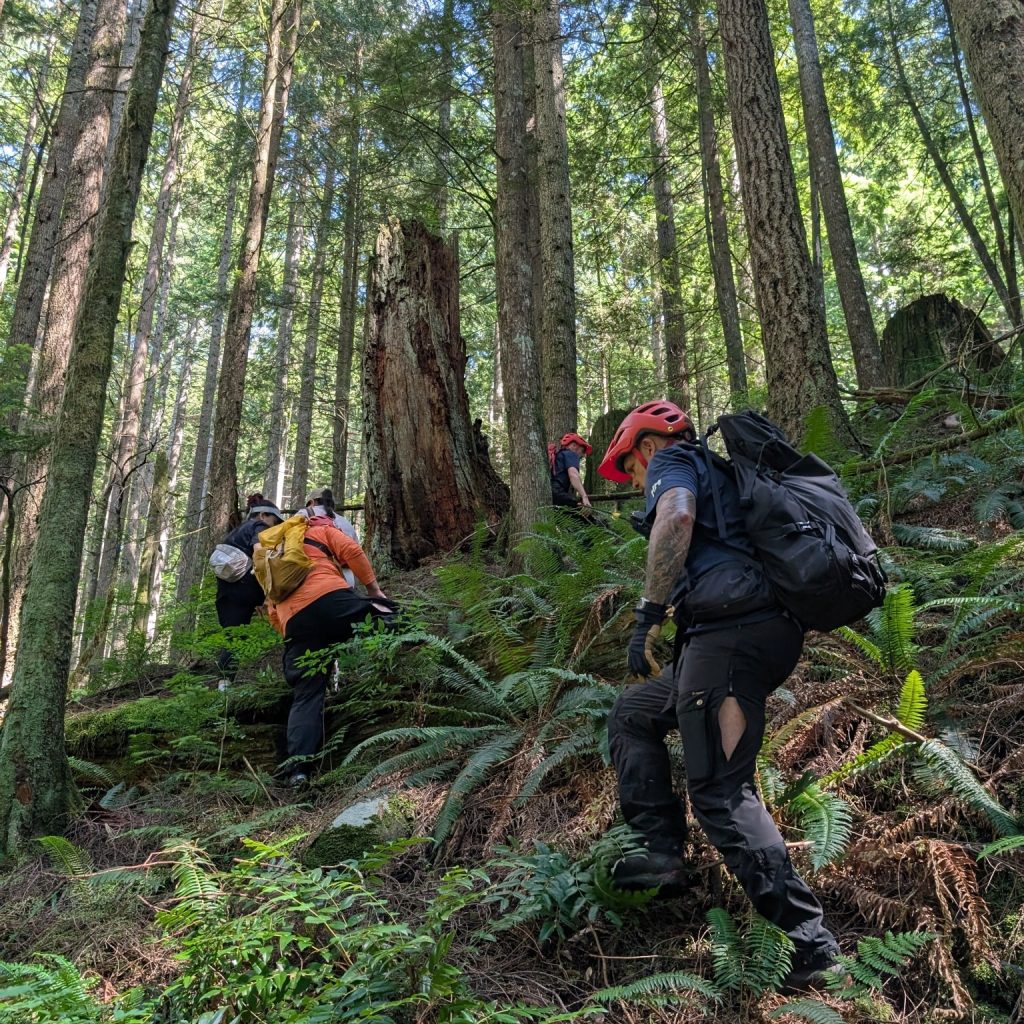
He said they then deployed two teams — one group of mountain bikers and a Utility Task Vehicle, or side-by-side.
While the UTV couldn’t make it over a bridge damaged by last fall’s floods, the mountain bikers rode on the trail until they were close to the hikers. The search and rescue volunteers tromped in and found the hikers, walked them back to the trail and to the UTV, and drove them to their car.
It was a situation where they helped the lost hikers before it escalated, Denisov explained.
“We ideally want to go help those people before they get in trouble more,” he said.
Denisov said he isn’t sure how they got lost, but added that sometimes the trail looks different going down than it did coming up, causing hikers to veer off course.
Another common issue is that people will follow creeks and drainages that slope down.
“And most of the time, that’s a really bad idea, because it gets wet, it gets cold. You can’t hear or scream for help if you need to, because of the [sound of the] water, and it gets steep.”
The three T’s
There are three T’s when it comes to outdoor adventures: trip planning, training, and taking the essentials.
Trip planning, Denisov explained, is as simple as looking up where you want to go and getting information from people who have been to that area recently. You want to get information on things like water availability on the trail, conditions, and snow pack — and make sure you pack and dress appropriately.
It’s also important to inform someone where you’re going and when you expect to return
“If you know you’re gonna go on this path or to this mountain . . . give that information to somebody who you would trust would check in on you and contact search and rescue, or 911, if you’re not checking in when you should,” said Denisov.
The next is training. While there isn’t much for hiking, there’s training available for activities like water sports, snow sports, and mountain biking.
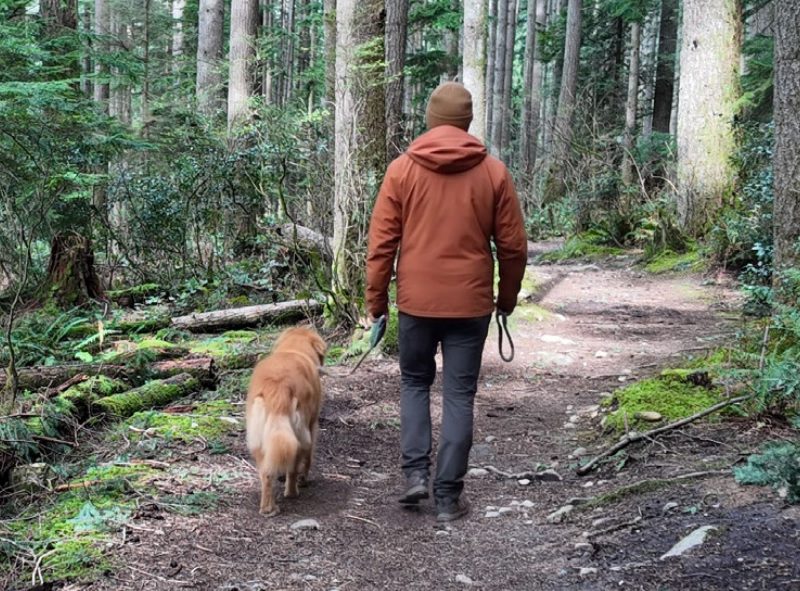
And finally, take the essentials. This includes proper footwear and clothing for the conditions, plenty of water (including for your dog, if you’re hiking with one — Denisov said they’ve had cases where they have had to rescue furry friends), snacks and electrolytes, signaling devises, communication map and compass (and a portable phone charger and cable if those are on your phone).
Other things to pack include sun protection, a communication device, a pocketknife, emergency shelter, first aid kit, fire-making kit, and a light source.
Wildlife
Denisov recommended bringing a bear bell to alert the bears of your presence. He said that bear spray is a good tool if you end up close to a bear, but you should know how to use it (so you don’t hurt yourself by accident).
If you see a cougar, “it’s probably because the cougar wants to be seen for whatever reason.”
For both bears and cougars, he said to maintain eye contact and slowly back away.
“Making sure that they understand that you’re there. You’re not a threat . . . you don’t want to have any confrontation with them.”
But Denisov said that mosquitoes are more likely to be an animal problem than bears or cougars, and said bringing bug spray, mosquito nets, and long sleeve shirts is a good idea.
He recommends that people check out AdventureSmart to learn more about how to best prepare for outdoor activities.