Coquitlam puts out call for emergency water distribution plan
It’s about planning for the worst.
For instance: The northern section of the Pacific Ocean fault – the part right by Vancouver Island – shifts. The Juan de Fuca tectonic plate dips under the North American plate, waves rise and B.C. is hit with a megathrust earthquake.
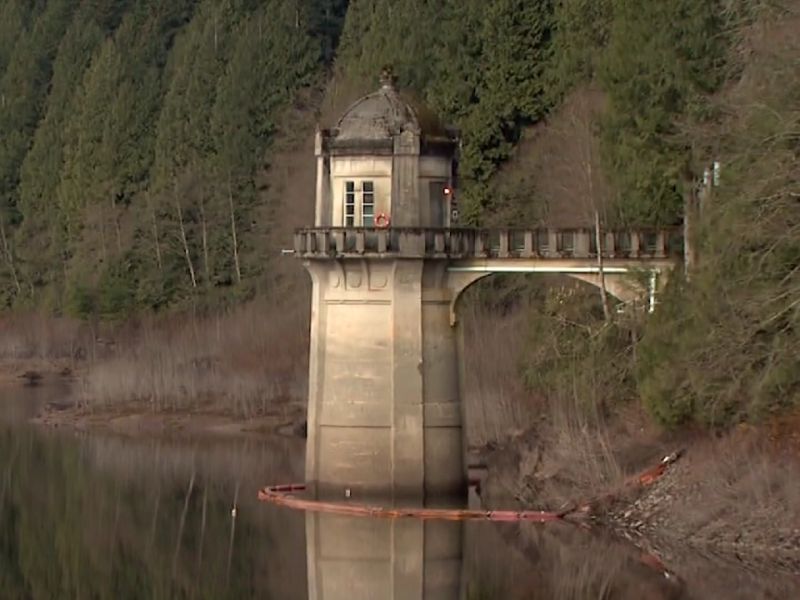
After the shaking is over and the damage to the Capilano, Seymour and Coquitlam reservoirs is assessed, 500,000 people no longer have access to water.
Local news that matters to you
No one covers the Tri-Cities like we do. But we need your help to keep our community journalism sustainable.
That’s the scenario Coquitlam is planning for.
The city recently issued a request for proposals in the hopes of finding a company that can develop a plan to distribute drinking water in the aftermath of a major emergency, such as an earthquake, infrastructure failure, or contamination event.
Despite numerous projects meant to shore up crucial infrastructure in the event of an earthquake, “it is estimated that upwards of 500,000 people could lose access to the typical water system following a seismic event,” the RFP stated.
The geographic areas haven’t been confirmed.
“While emergency response plans exist at various levels of government, there is currently no comprehensive regional plan for the temporary distribution of potable water in such scenarios,” the RFP stated.
The target is to find a way to get between four and 15 litres of water to each person every day. That could mean bagged or bottled water, reservoirs or tanker trucks meeting the demand in high-density zones, hospitals, and single-family neighbourhoods.
The project is expected to be completed within six to 12 months, with completion tentatively set for April 2026.
The deadline for applications is Oct. 4.
The project is a collaboration between representatives from Coquitlam, Vancouver, Surrey, Abbotsford, Delta and Metro Vancouver.
The Seattle method
Following concerns over terrorist attacks, the city of Seattle enacted a plan to deliver as much as 2.3 million litres of water each day at six sites in the city.
Each site consists of a generator and a water storage unit that can hold more than 13,000 litres. Those units are connected to a pumping system designed to quickly fill up sealed bags that hold about six litres.
Author