Coquitlam-Maillardville: Four candidates running in recently redrawn riding
With incumbent MLA Selina Robinson not running for re-election, Coquitlam-Maillardville voters have their choice between four candidates.
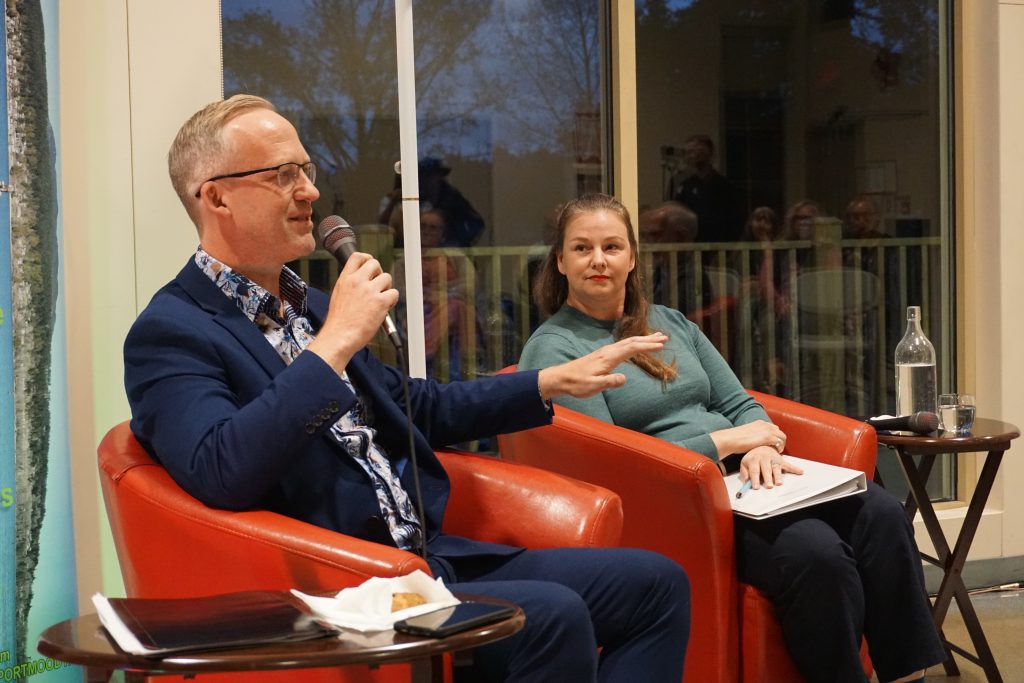
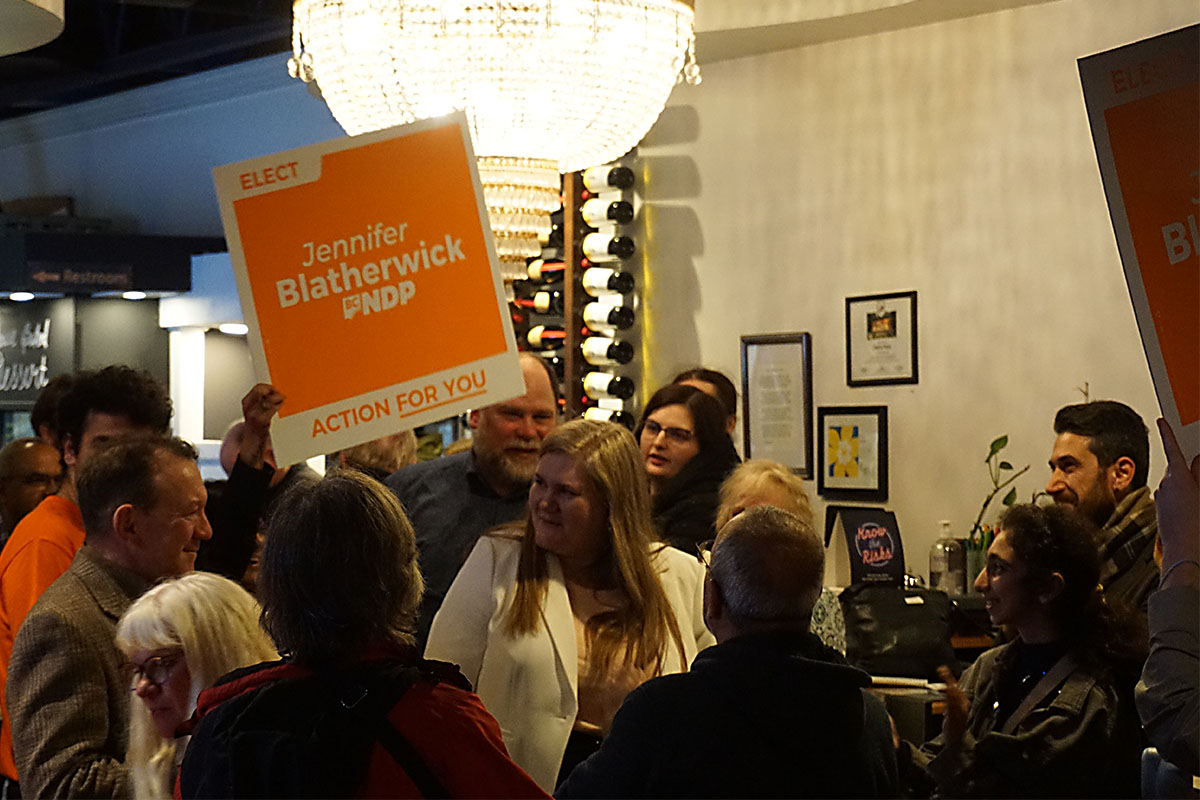
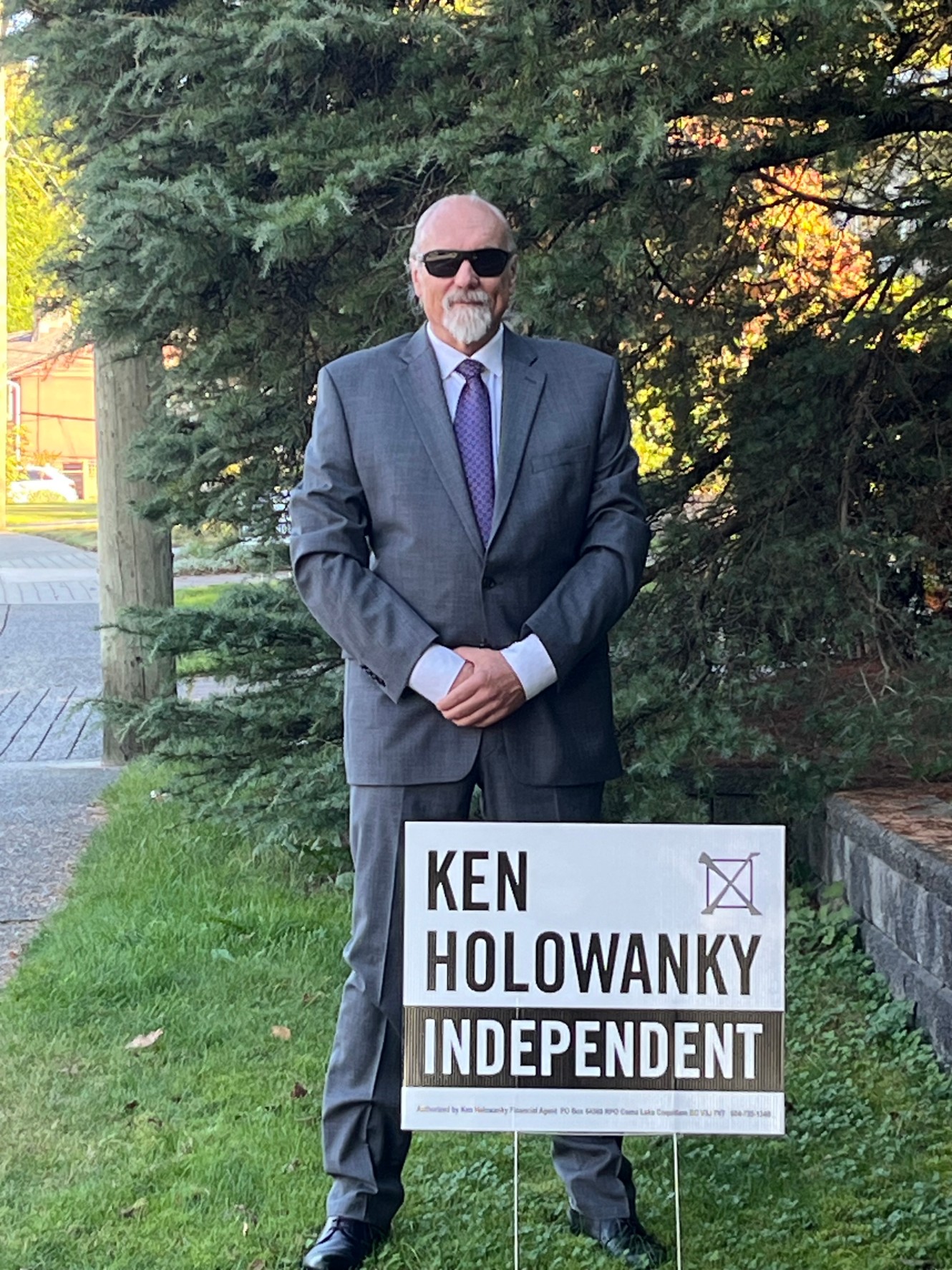
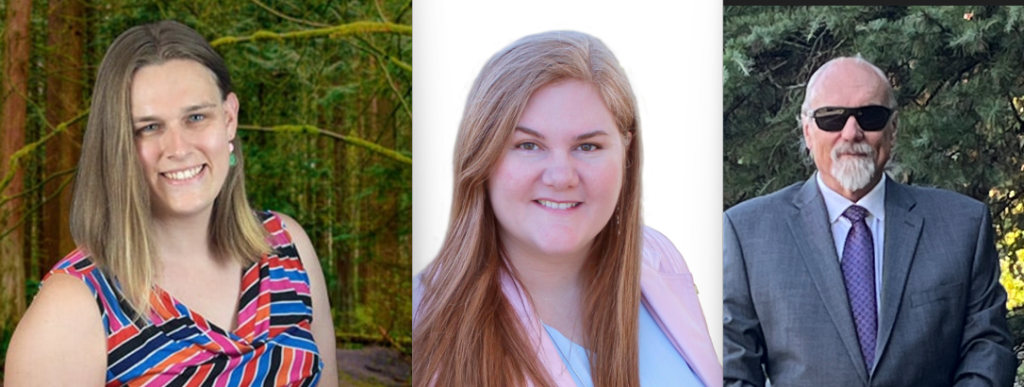
School district trustee Jennifer Blatherwick is campaigning for the B.C. NDP, Hamed Najafi is representing the Conservative Party, Tri-Cities Pride Society founder Nicola Spurling is stumping for the B.C. Green Party and Ken Holowanky is running as an independent.
How the Coquitlam-Maillardville candidates answered your questions on . . . helping British Columbians living with disabilities
Local news that matters to you
No one covers the Tri-Cities like we do. But we need your help to keep our community journalism sustainable.
As the cost-of-living spikes, it’s crucial to help residents with low incomes and people living with disabilities. But while three of the Coquitlam-Maillardville candidates agreed on the need to help, they offered different visions of how to help.
BC NDP candidate Jennifer Blatherwick cited the need to help home-share providers who offer all manner of assistance to residents with disabilities.
“We have already raised income and disability and assistance rates multiple times but are further committed to increasing the Community Living BC home share rates, enabling more families and communities to provide care for their loved ones,” Blatherwick told the Dispatch.
Green Party candidate Nicola Spurling outlined a broad poverty reduction strategy that includes investing in programs to help: “youth aging out of care, women fleeing violence, people with disabilities, and those who are long-term unemployed.”
Everyone needs to have enough income to keep a roof over their head, stated independent candidate Ken Holowanky.
“The only reason they are not able to do this is because the housing market is no longer connected to the local value adding economy,” Holowanky stated.
Climate change
Spurling pledged to end oil and gas subsidies in B.C. while also prohibiting new fracking wells and LNG projects.
In addition, Spurling advocated for a province-wide ban on gas hookups in all new buildings, as well as a ban on oil and gas advertisements.
Noting increased wildfires and atmospheric rivers, Blatherwick promised to: “continue to support our firefighters, invest in renewable energy, and expand rebates for electric vehicles.”
While stating that world population is a factor in the climate crisis, Holowanky favoured small measures such as allowing drivers to put a second, efficient vehicle such as a hybrid on the same ICBC policy.
RCMP conduct
News that Coquitlam RCMP officers may have made racist comments in a group chat is not reflective of the department, Holowanky stated.
“I do believe in local hiring and administration of police such that they are more in tune with local issues and more connected to the community,” he added.
Blatherwick noted previous work from the provincial government, including the launch of a Racist Incident Helpline as well as the New Anti-Racism Data Act. Passed in 2022, the act is designed to address systemic racism.
In the interest of improving access to justice, Spurling pledged to establish a parliamentary committee that examines: “how the justice system treats Indigenous peoples, racialized communities, and homeless individuals.”
Spurling also favoured police education and training that emphasizes: “cultural competence, de-escalation, and mental health awareness.”
Transparency
Holowanky supported major changes to the province’s freedom of information processes.
“Do not waste black felt pen by redacting page upon page when one requests an FOI. Second step, why do we need an FOI in the first place?” he asked. “This is our information, why is this even a question?”
The Green Party would release government materials including briefing notes to “promote greater transparency,” Spurling stated.
“To avoid conflicts of interest, we will enforce a minimum two-year stand-down period between holding a designated office in government and working in a lobbying role,” Spurling wrote.
Blatherwick noted that the NDP released a full costed platform early in the campaign so voters are aware of the party’s priorities.
“We believe in the role the media plays in keeping government accountable and commit to being transparent on the decisions being made,” Blatherwick stated.
Click here to read the complete candidate questionnaire responses from:
BC NDP candidate Jennifer Blatherwick
BC Green Party candidate Nicola Spurling
Independent candidate Ken Holowanky
Conservative Party candidate Hamed Najafi did not respond to the Dispatch questionnaire by press time.
Recent history
Robinson found herself at the centre controversy earlier this year after commenting that Israel was founded on a: “crappy piece of land with nothing on it.”
Following outcry, Robison relinquished her position as Minister of Post-Secondary Education and Future Skills and announced she wouldn’t be running again.
The dissolution of B.C. United was in evidence in Coquitlam-Maillardville this June, as then-B.C. United candidate Brandon Fonseca announced his resignation from the party, citing a failed merger with the B.C. Conservative Party.
Riding history
NDP incumbent Robinson was overwhelmingly popular in the 2020 election, taking nearly 60 percent of the vote – more than twice as many ballots as her closest challenger Liberal Will Davis.
But while the Liberal vote dipped from 37 to 28 percent compared to 2017, support for Green Party candidate Nicola Spurling ticked up slightly, with 11.7 percent of the vote.
Robinson also campaigned to a fairly convincing win in 2017, as she garnered 50.6 percent of all votes cast, finishing comfortably ahead of Liberal challenger Steve Kim, who finished with 37.7 percent.
Green Party candidate Nicola Spurling notched 10.9 percent of the vote.
In 2013, Robinson and Kim finished in a virtual dead heat. Following a judicial recount, Robinson was found to have won the election by 41 votes – a difference of less than 0.2 percent of ballots cast.
Green Party representative Edward Andreas Stanbrough garnered 8.71 percent of the vote in 2013.
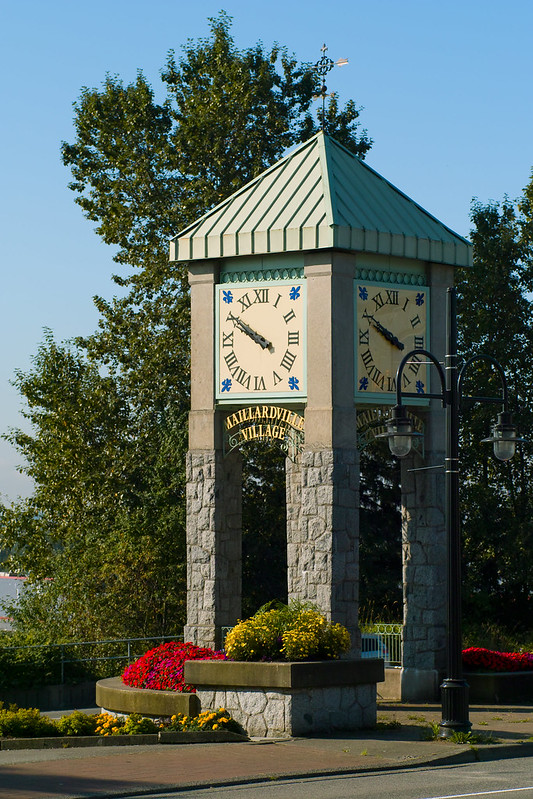
Bordered by Blue Mountain Street, Brunette Avenue and Braid Street on its western side, the riding stretches as far south as the Fraser River before roughly following the Coquitlam River up to Westwood Street on its eastern border.
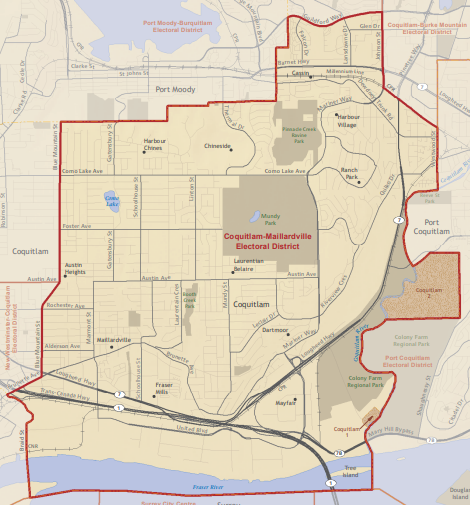
At its northeast point, the riding starts at Guildford Way and Johnson Street. Following the border from east to west, the boundary dips south around Port Moody.
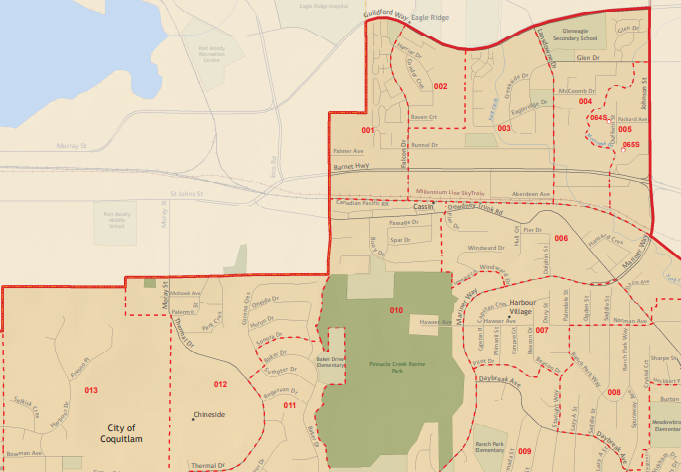
The new boundaries essentially chipped off a section of Coquitlam below Austin Avenue between Blue Mountain and North Road to create the Coquitlam-New Westminster riding.
Both Port Moody-Coquitlam MP Bonita Zarrillo and New Westminster-Burnaby MP Peter Julian criticized the redrawn riding as inexplicable.
“[Maillardville] is the heart of south Coquitlam,” Zarrillo said. “They’ve taken the heart of Coquitlam out.”
The riding also includes Tree Island, the uninhabited piece of land in the Fraser.
Fraser Mills growth
In 2022, Coquitlam council unanimously approved a proposal that will transform the Fraser Mills land over the next 20 to 25 years.
With 16 towers ranging from 29 to 49 storeys as well as low- and mid-rise apartment buildings, the 37-hectare project is expected to add 5,500 units and approximately 11,000 people to Coquitlam.
Author