Chilcotin River landslide could impact lower Fraser River ecosystem, UBC prof warns
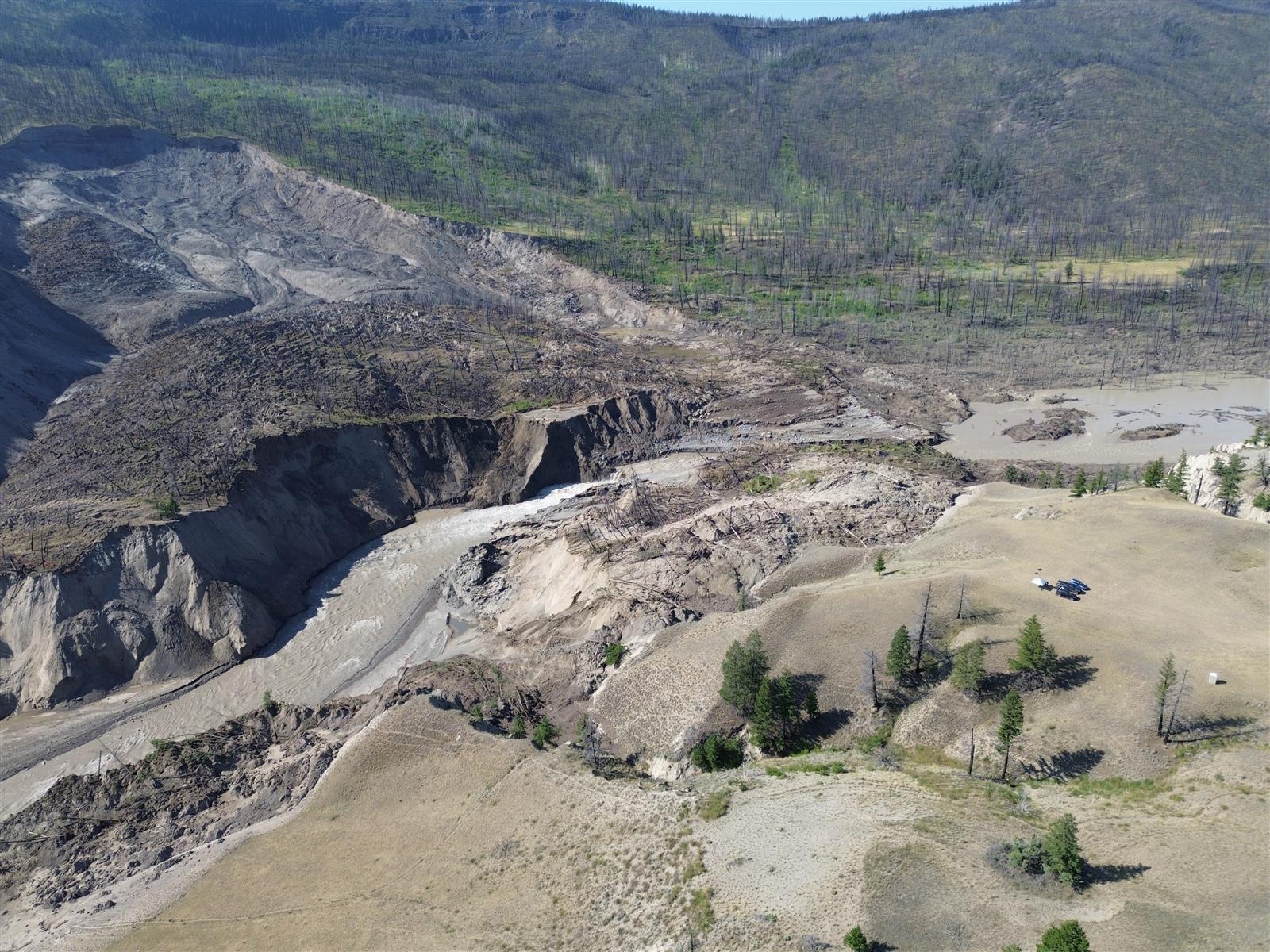
Last week’s Chilcotin River landslide and its subsequent dam breach might be harmful to the lower Fraser River’s ecosystem and fish species.
Sediment and debris from the landslide could disrupt habitat, according to John S. Richardson, a UBC professor of freshwater and riparian area ecology.
The Fraser River runs rapidly until it reaches Hope and Chilliwack, where it widens out and slows down as it passes through New Westminster and into the estuary — including near Coquitlam and Port Coquitlam. This, he said, is where much of the sediment will likely end up.
Local news that matters to you
No one covers the Tri-Cities like we do. But we need your help to keep our community journalism sustainable.
The sediment might make the water cloudier than usual, making it harder for fish to find food. It could also settle on the bottom of the Fraser, which Richardson described as the food base for the entire Fraser River ecosystem.
“That fine sediment will kind of settle on top of their food,” he said. “It’s going to have an impairment on their food supply, and maybe even reduce the food supply for the short term.”
Debris from the landslide could also cause erosion and disrupt fish habitat — such as by scraping the bottom where they lay their eggs.
Bowinn Ma, the Minister of Emergency Management and Climate Readiness, posted that the Fraser River Debris Trap snared 30,000 cubic metres of woody debris from the Chilcotin landslide.
Richardson added that while it is normal to see increased sediment and debris in the springtime, this is happening months later than typical.
“When you start to think about the life cycles of animals, and what are they doing at any given season, it’s a little bit unusual to have big floods with so much debris coming down at this time of year,” he said. “I would say, yes, there are impacts to the ecosystem. I also go further and say that hardly anybody will notice, because nobody’s really measuring those things.”
Coquitlam, Port Coquitlam say debris from landslide is minimal
So far, spokespeople from both Coquiltam and Port Coquitlam say that the impact from the landslide has been minimal.
Kyle van Veen, the acting director of public works for Coquitlam, said there has been some additional woody debris – sticks and small logs — on the Fraser River by Coquitlam, but it isn’t an “immediate concern to the environment.”
“This is kind of the best case scenario in terms of the outcome, where it’s been a slow release of additional flow and a slow release of additional debris.”
The worst case scenario would be a catastrophic failure of the landslide, he explained.
He added that Coquitlam will monitor to see if there’s additional debris in Coquitlam creeks that drain into the Fraser, as the tide comes in and out.
David Kidd, Port Coquitlam’s manager of public works, said they haven’t noticed a significant change as a result of the Chilcotin landslide. He said after participating in regional provincial calls on the breach, Port Coquitlam began dike patrols and monitoring river conditions for debris accumulations. He said that they haven’t noticed more than normal.
“We may have seen a bit of discolouration due to silt, but we can’t tell if that’s related to the breach or not.”