Chaharshanbe Suri: Celebrating unity and resistance at Lafarge Lake

Written by artist and journalist Maryam Mazrooei, this essay chronicles the fire festival as both a cultural celebration and an act of political resistance.
Thousands of revelers gathered at Lafarge Lake on Tuesday night to celebrate Chaharshanbe Suri, an ancient Persian festival marking the eve of the last Wednesday before Nowruz.
Organized by the Tri-City Iranian Cultural Society (TCICS), the festival is a lively celebration featuring music, dancing, and gatherings of families and friends, marking both an act of cultural preservation and, in recent years, a form of resistance against attempts to suppress Iran’s pre-Islamic heritage.
Local news that matters to you
No one covers the Tri-Cities like we do. But we need your help to keep our community journalism sustainable.

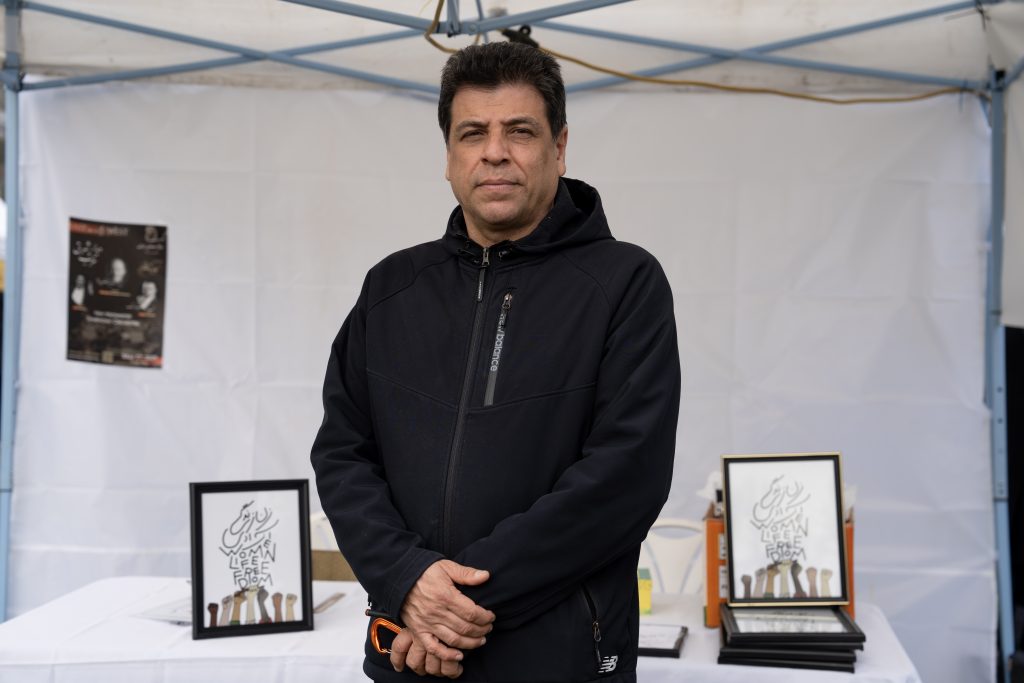
“This is a celebration of life and culture,” said Behzad Abdi, head of the TCICS. “Despite the challenges we face, we continue to gather, celebrate, and pass these traditions on to the next generation.”
Unlike other immigrant communities in Canada, which often receive financial and institutional support from their home country’s embassy, Iranians abroad receive no assistance from Iran.
“In many ways, we function like orphans,” Abdi said. “We have no embassy, no official backing, just our community holding everything together.”
Beyond a lack of support, the relationship between Iran’s government and the country’s diaspora can be openly hostile.
“Not only does Iran refuse to support us, but it actively threatens us. My own daughter and father have been targeted,” Abdi revealed, underscoring the risks many Iranians abroad face.
This sentiment was echoed by Iranian attendees on Tuesday. After singing the Canadian national anthem, the entire crowd passionately sang ‘Ey Iran,’ a patriotic song distinct from the official anthem of the Iranian Islamic regime, further highlighting the contrast between the people and the government.
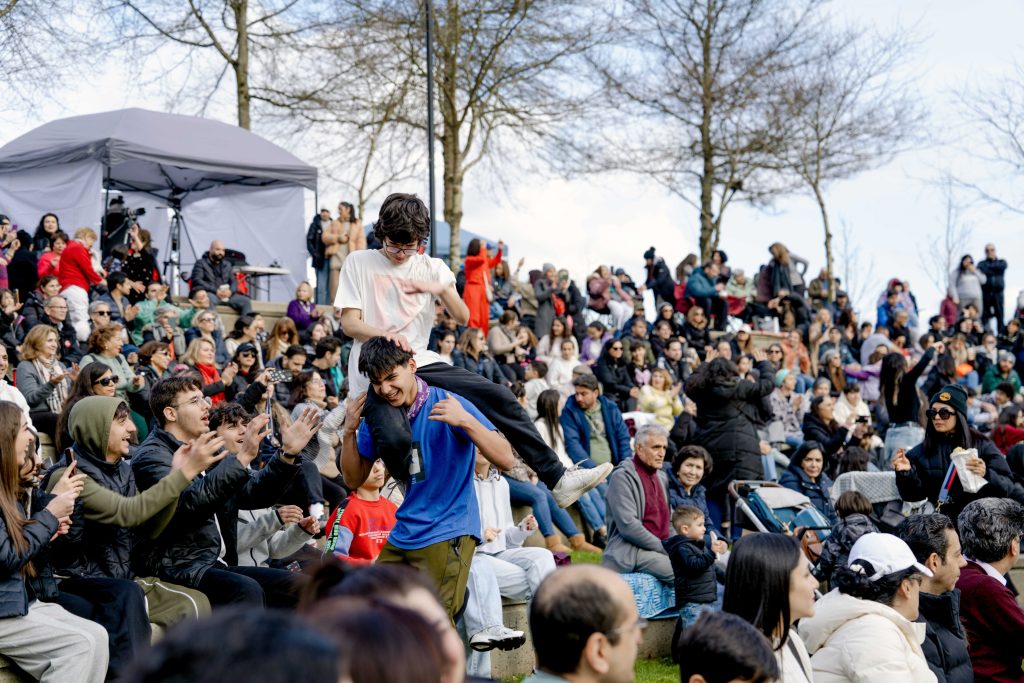
While the Iranian Islamic regime often makes headlines for its political turmoil, its people remain steadfast in preserving their cultural identity, both inside and outside the country. Celebrations like Chaharshanbe Suri stand as proof of this unwavering spirit, serving not only as a bridge between generations but also as an act of defiance against the ideological constraints imposed by the Iranian Islamic regime.
“For the Iranian community in Canada, like Iranians inside the country, Chaharshanbe Suri is more than just a festival; it’s a profound link to their heritage, a demonstration of strength, and even a battle against the ideological regime in Iran,” said Zahra, one of the attendees at the celebration.

Historically, fire has held great significance in Persian culture as a divine element representing light, wisdom, and purity.
During the festival, participants jump over the flames, reciting the poetic phrase “Zardi-ye man az to, sorkhi-ye to az man,” meaning “My yellow is yours, your red is mine.”
This symbolizes the transfer of sickness and negativity to the fire in exchange for health and strength.
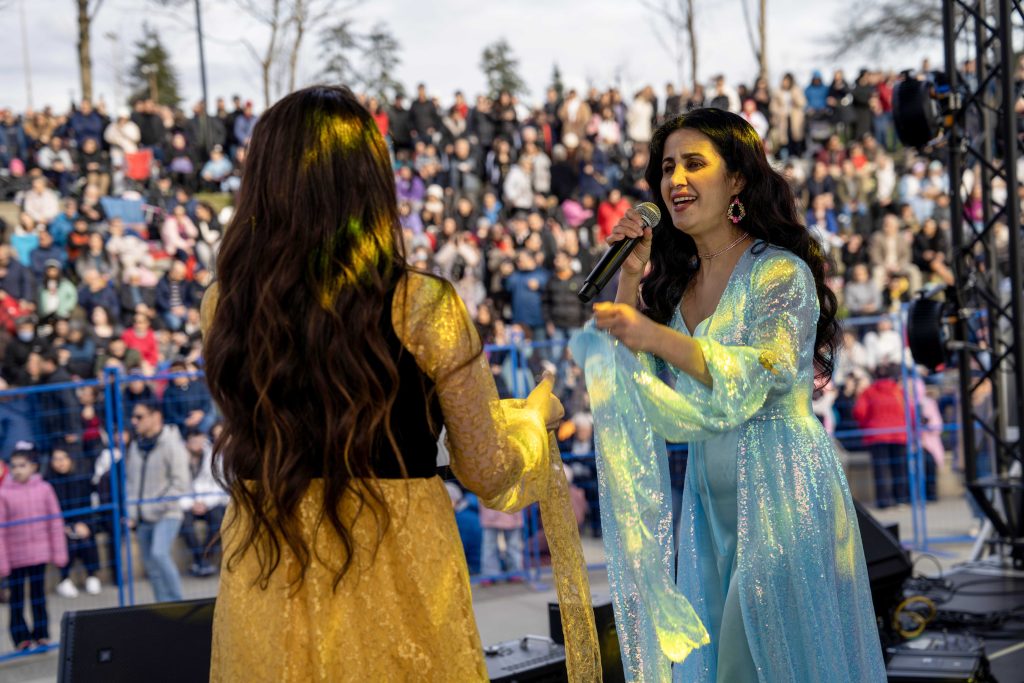
Matthew, after dancing and jumping through fire, shared his thought’s on the event’s importance.
“We don’t truly know each other unless we have an Iranian colleague or friend. We need to find bigger and more effective ways to understand and engage with one another, like these festivals.”
The Chaharshanbe Suri Festival has officially been recognized as a Signature Event in the official calendar of the City of Coquitlam. It is estimated that around 20,000 people attended the Chaharshanbe Suri celebration at Lafarge Lake, making it one of the largest non-political Iranian events.
Farzan Kermani, a member of the Board of TCICS, highlighted the scale of this achievement.
“Hosting an event of this magnitude in a space not specifically designed for such large gatherings is a testament to the capabilities of our community members,” Kermani said.
Officials and candidates from various parties attended the celebration as well. Behzad Abdi emphasized that one of the goals of the association is to encourage more direct engagement between Iranians and officials, as well as to familiarize policymakers with Iranian culture. The recitation of Persian poetry and the participation of political guests in Iranian dance on stage demonstrated that this goal was actively realized.
Rad, another visitor, shared his thoughts on the cultural significance of the event.
“Our traditional celebrations enrich Canadian culture, and we want everyone to know that we are far different from the Iranian government.”

One of the night’s highlights was a performance by renowned Iranian singer Shahram Shabpareh, who was brought in by TCICS organizers to unite the community through music.
“Our goal was to bring people together, and what better way than through music?” said Mehdi Hosseini, the event’s coordinator.
As this festival highlights, cultural celebrations like Chaharshanbe Suri are not just about preserving traditions, but also about building bridges across communities, fostering understanding and connection in today’s diverse society.
The event welcomed several official guests, including Coquitlam Mayor Richard Stewart, Coquitlam-Port Coquitlam MP Ron McKinnon, Port Moody-Coquitlam MP Bonita Zarrillo, B.C. Conservative Party leader John Rustad, TransLink CEO Kevin Quinn, Fred Soofi, human rights activist, as well as candidates from various political parties. Their participation highlighted the increasing recognition of Iranian culture within Canadian society and the importance of Chaharshanbe Suri as a cultural bridge between communities.
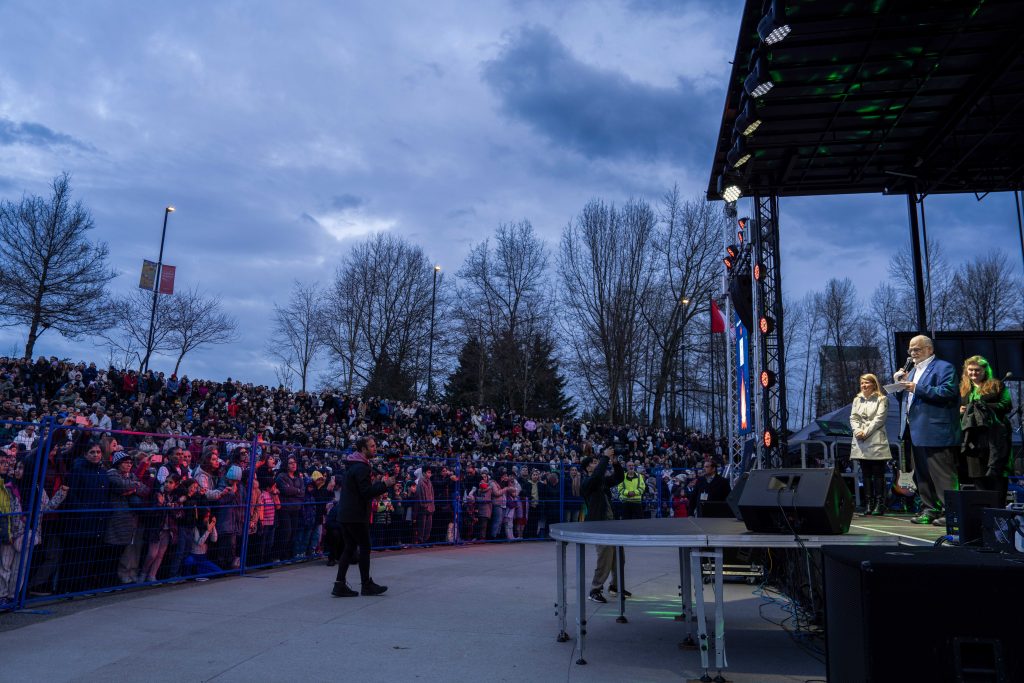
Bonita Zarrillo marked the occasion by presenting a commemorative plaque to the president of the TCICS in recognition of Nowruz and Chaharshanbe Suri. Stewart and other dignitaries also delivered brief remarks, extending their congratulations and emphasizing the value of cultural celebrations in fostering inclusivity and unity, particularly in these sensitive times when Canada more than ever needs solidarity and togetherness.
Rooted in Zoroastrian traditions, Chaharshanbe Suri symbolizes renewal, purification, and the warding off of misfortune before the arrival of the Persian New Year. The name translates to “Red Wednesday,” referring to the glow of bonfires lit during the event.