Anmore approves Pinnacle Ridge rezoning in split vote
Despite community outcry around density, transportation, and the danger posed by septic systems on a hillside, Anmore council approved the Pinnacle Ridge rezoning in a split vote on Tuesday.
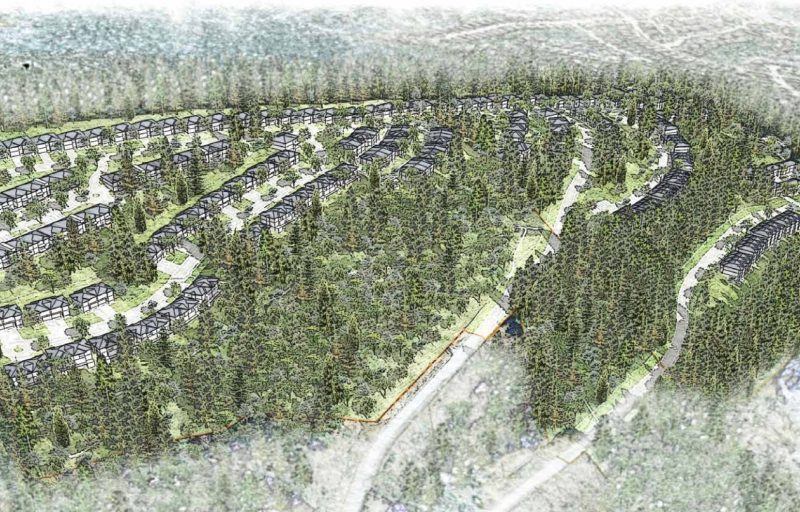
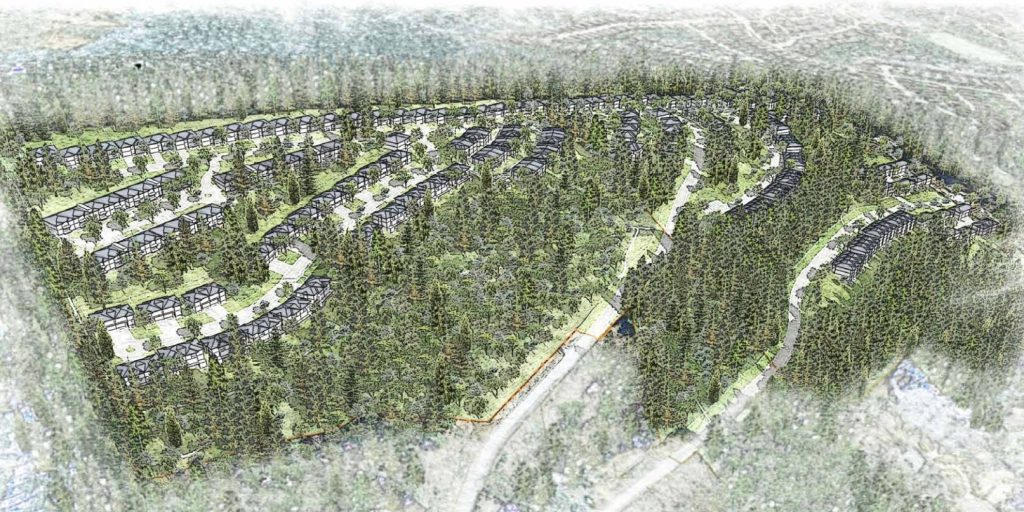
Consisting of 269 housing units spread over 75 acres on the eastern edge of the village, the project is set to be built over 10 years. The Pinnacle Ridge project requires one more vote from council before shovels can hit the ground.
Describing the project an “incredibly dramatic change,” resident Nancy Maloney called for a referendum coinciding with the October municipal election.
Local news that matters to you
No one covers the Tri-Cities like we do. But we need your help to keep our community journalism sustainable.
“This is not something that certainly a lame duck council should be considering,” she said.
The decision before council was a challenging one, acknowledged Coun. Paul Weverink.
“We’re never going to get anything we want in any development proposal but I think this does tick a lot of boxes,” he said. “It’s way up on the hill. It’s not going to affect Anmore proper.”
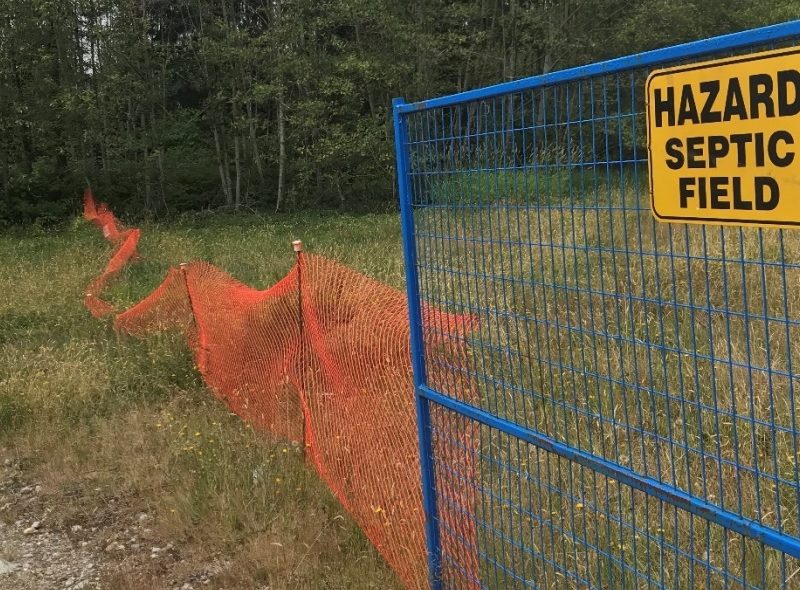
Many Anmore residents were concerned about the environmental impact that would accompany an overwhelmed septic system.
Ruth Foster, Mossom Creek Hatchery and Education Centre co-founder, underscored the risk to the health of the creek, adding that she’d never seen steep slope density serviced by septic systems.
“The village has lacked the capacity to effectively supervise land clearing, construction, and the ongoing issues for smaller developments. How will it handle this very large one?” she asked.
As the area is designated rural, a connection to the regional sewer system isn’t permitted. Instead, property owners will need on-site septic systems that would use timed dosing to treat and gradually disperse effluent
That setup was a major concern for Mayor John McEwen, who recounted his difficulties in finding a Fraser Health representative willing to trek out to Anmore to discuss issues with communal septic systems.
The village could pass a bylaw that would enforce maintenance and routine inspections of hillside septic systems, village staff noted.
The mayor suggested the bylaw might not be enforceable.
“Why are we bringing in urban density with only having rural services?” McEwen asked.
While he noted transportation issues, McEwen also suggested there were too much work left to be done, noting that a total of 13 reports still need to be completed.
“I for one do not feel comfortable offloading the scrutiny of a lot of these reports to be evaluated and approved by our planner and our approving officer.”
McEwen also took issue with the community amenity contribution. The development is set to pay the city approximately $2 million in cash along with $709,000 in in-kind contributions.
The project consists of 51 single-family homes, 46 semi-detached homes, and 172 townhouses.
Approximately 35 percent of the land (26 acres) is being offered to the city as dedicated greenspace and an integrated trail network, which would serve as an interface between the site and the surrounding neighbourhood.
Third reading passed with Coun. Doug Richardson and Mayor McEwen opposed.
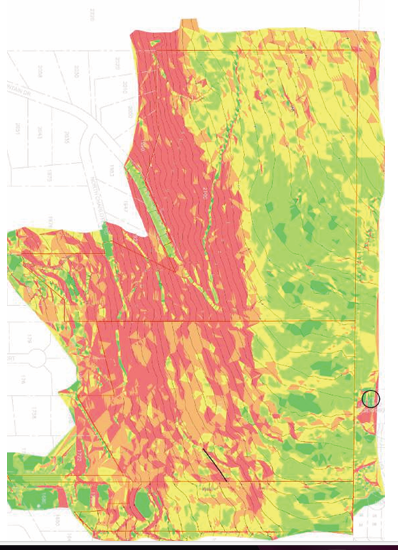
Some road sections are steep but are allowable under village limits. A detailed access design plan is set to be required at subdivision stage.
Author