TransLink adding more bus service in Coquitlam and Port Coquitlam starting Sept. 1
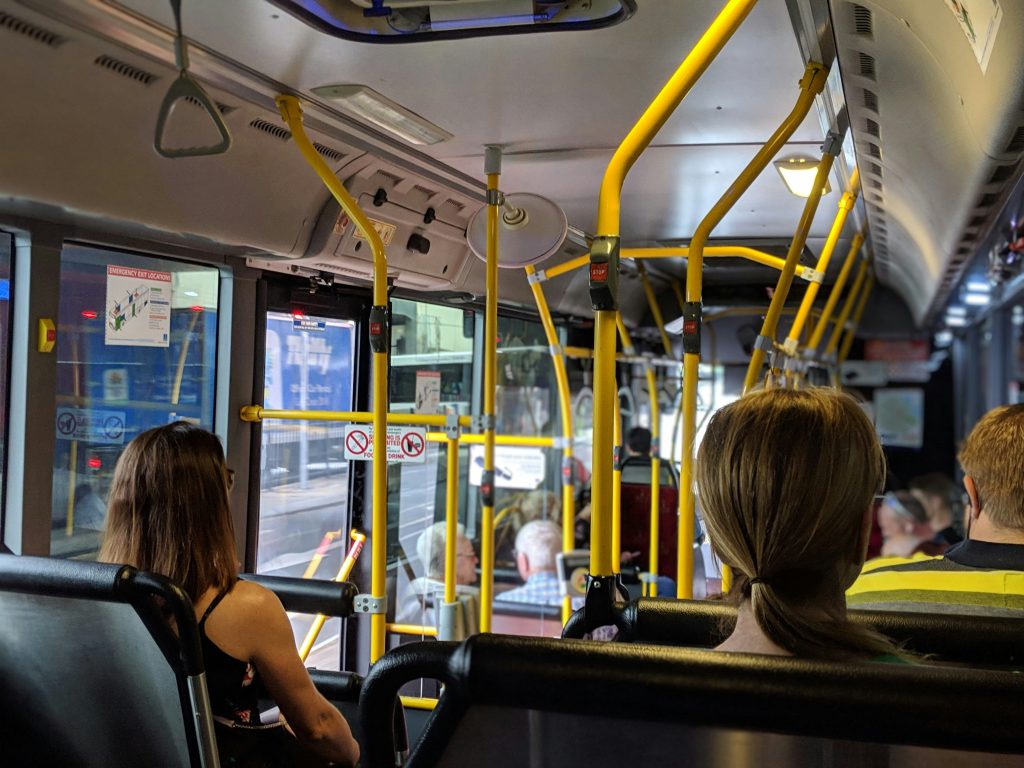
Transit riders in Coquitlam and Port Coquitlam will soon see shorter waits on key routes as TransLink touts its largest bus service expansion since 2018.
Beginning Sept. 1, service is being increased on 53 bus routes across Metro Vancouver, including the 188 and 191 lines in the Tri-Cities, as part of the transit authority’s 2025 Investment Plan.
The plan aims to reduce overcrowding, extend hours and improve reliability as demand for transit continues to grow.
Local news that matters to you
No one covers the Tri-Cities like we do. But we need your help to keep our community journalism sustainable.
More service on the 188 and 191
The 188 Coquitlam Central Station/Port Coquitlam Station route will have additional weekday service during the afternoon peak. Buses will now run every 20 minutes from 2 p.m. to 3 p.m., cutting wait times in half compared to the previous 40-minute schedule. Between 4 p.m. and 5 p.m., frequency will be adjusted slightly to every 17 minutes, compared to the current 13 to 15-minute spacing.
The 191 Coquitlam Central Station/Port Coquitlam Station route will also see significant improvements during the morning rush. From 7 a.m. to 9 a.m., buses will run every 20 minutes, down from the previous 29 to 34-minute gaps – reducing wait times by as much as 14 minutes.
Cancelling school special service on the 701
TransLink is also cancelling two afternoon school special trips on the 701 Archbishop Carney School Special, which departed Dominion Avenue outside the Port Coquitlam school. Since those were the only trips serving stop #53831, the stop itself is being removed.
Students will now need to access the 701 at stop #69291 on Lougheed Highway, a two-minute walk from the school. Regular 701 service levels remain unchanged, and buses will continue to provide access to the school along Lougheed.
Seasonal adjustments across the network
The September changes are part of TransLink’s broader seasonal realignment. Service is being increased on five university routes serving UBC, SFU and Capilano University to meet the back-to-school rush. It is scaling back summer-only trips to outdoor destinations until spring 2026.
In total, TransLink is reducing 17 seasonal routes and pausing four summer-only services until next year.
TransLink says it will continue to monitor ridership to ensure service is being added where it is most needed.
2025 Investment Plan
Approved on April 30, 2025, TransLink’s new investment plan will fully fund its operations until the end of 2027, and is projected to cut the existing annual $600 million structural deficit by nearly half starting in 2028.
It is sourcing funding from new revenue tools and a one-time provincial contribution of $312 million to be used from 2025 to 2027.
Other sources include: a five per cent fare increase in July 2026, followed by a two per cent annual increase; increase surcharges for users leaving YVR on the Canada Line; an additional $44 million in property tax revenue (expected to grow by an additional $160 million by 2027); increases in off-street parking taxes; and $112 million more annually from an unnamed new revenue source, depending on approval in the B.C. legislature.
TransLink plan also states it has identified $90 million in cost reductions and revenue-generating efficiencies, adding more are expected in the future.
Author