Concerns follow Port Moody’s move to rescind heritage protections from Belcarra South Cottages
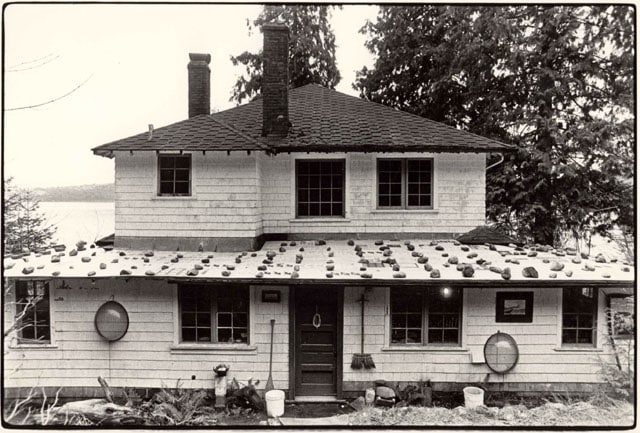
The Belcarra South Cottages have been a protected heritage site for six years, but now Port Moody is moving to remove that protection.
Council made the decision behind closed doors, leading to confusion and concern among heritage advocates when the information was released on July 11.
Staff have been directed to begin the process of rescinding the heritage bylaw protecting the nearly 90-year-old rustic cabins, with the exception of the Bole House.
Local news that matters to you
No one covers the Tri-Cities like we do. But we need your help to keep our community journalism sustainable.
The news came as a “surprise” to the Port Moody Heritage Society (PMHS), which has a mandate to advocate for heritage, conservation and preservation of historical sites, according to current secretary Laura Dick.
“There’s no transparency to this decision,” Dick said. “If it’s this easy to remove that designation, what about Moody Centre, what about Ioco, what about any other places we have that’s a heritage conservation area? How easy is it to reverse that decision?”
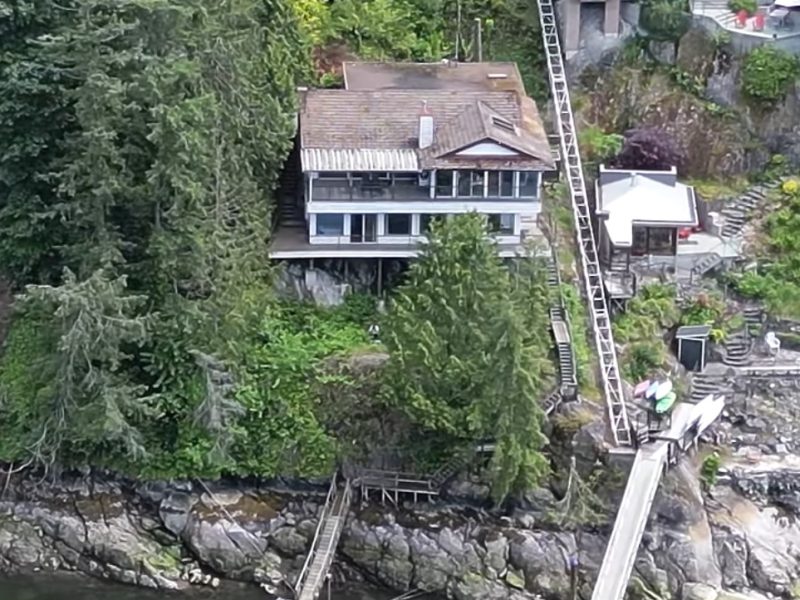
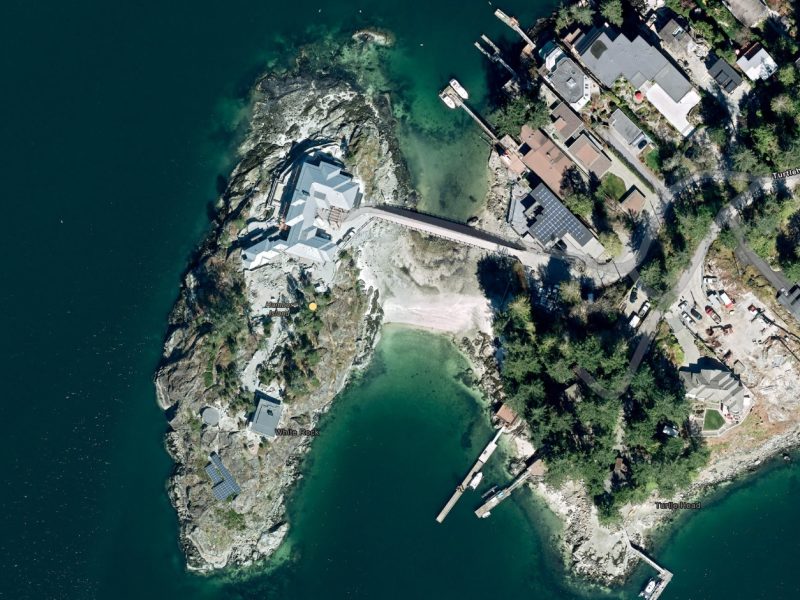
The Belcarra South Cottages sit on the shores of the Burrard Inlet on the western edge of Belcarra Regional Park.
They represent some of Metro Vancouver’s last examples of summer vacation cottages from the early part of the 20th century, according to Robert Simons, president of the Port Moody Foundation and former mayoral candidate.
Belcarra South is also the site of an ancestral village of the Tsleil-Waututh Nation, who occupied the lands for centuries prior to waves of smallpox epidemics which devastated their populations in the 1860s
Simons spoke during public input period on July 11, and asked one question: why remove the designation?
He said the multi-year effort to apply the designation in 2017 involved many community interests and public discussion.
“The designation was made in a public forum, and the determination to remove (the designation) should also be done in a public forum,” Simons said. “They need to disclose the reasoning why.”
The city cited plans that were at preliminary stages, and negotiations held in confidence, as the reasons for closing the discussions to the public.
In an email response, Mayor Meghan Lahti said the site has more than just heritage value, there is also cultural, archaeological and environmental value.
She said council hopes the removal of the heritage designations: “will open up opportunities for the recognition of all the different values of this unique site.”
“While one set of values has been recognized through a heritage designation for the cottages, we believe it’s important to try to recognize all values,” Lahti wrote. “Particularly in light of the city’s commitment to work toward Truth and Reconciliation with Indigenous Peoples.”
When asked what these plans entailed, the city directed questions towards Metro Vancouver, which manages the park and owns the land.
The city and the regional district have not always agreed on the future use of the land.

Since 1985, Metro Vancouver has had a plan on the books to expand the picnic area of Belcarra South involving demolition of the remaining cottages.
After Port Moody registered the cottages as heritage properties in 2017, Metro Vancouver was forced to revise their plan to transform them into static landscape displays.
This would make the cottages inaccessible to the public, similar to the Ioco Townsite buildings.
The Bole House, on the other hand, would be renovated according to heritage guidelines and remain open to the public for a still undetermined use.
“All of the cabins are in poor condition and there would be an extensive cost to ensure their structural integrity and adhere to heritage guidelines,” said Steven Schaffrick, division manager with Metro Vancouver Regional Parks.
Most recently in 2020, Metro Vancouver signed a Cultural and Planning Cooperative Agreement with Tsleil-Waututh Nation.
Schaffrick said that opportunities for honouring Indigenous culture in Belcarra South have emerged following the agreement, including future land use and interpretive element planning.
With Port Moody moving to rescind the site’s heritage designation, Metro Vancouver said the plan may change once again.
“Should the City of Port Moody rescind the heritage protection bylaw from the cabins, Metro Vancouver will engage Tsleil-Waututh Nation and seek direction from the Regional Parks Committee and Metro Vancouver Board regarding any alternate plan for the site,” Schaffrick said.
But the change is raising obvious concerns for the heritage advocates.
Both Dick and Simons said that without the heritage designation, there is nothing stopping Metro Vancouver from demolishing the unprotected cottages.
Dick said the cottages could have been maintained under the heritage protections, and Metro Vancouver confirmed the current plan was compliant with the city’s heritage bylaws.
Because a bylaw may be rescinded, Dick said any decision must include a public hearing beforehand.
The advocates both said there may be good reasons for removing the heritage designation bylaw, but those reasons need to be made public.
Author