Paramedics warn of potential ER closures as winter approaches
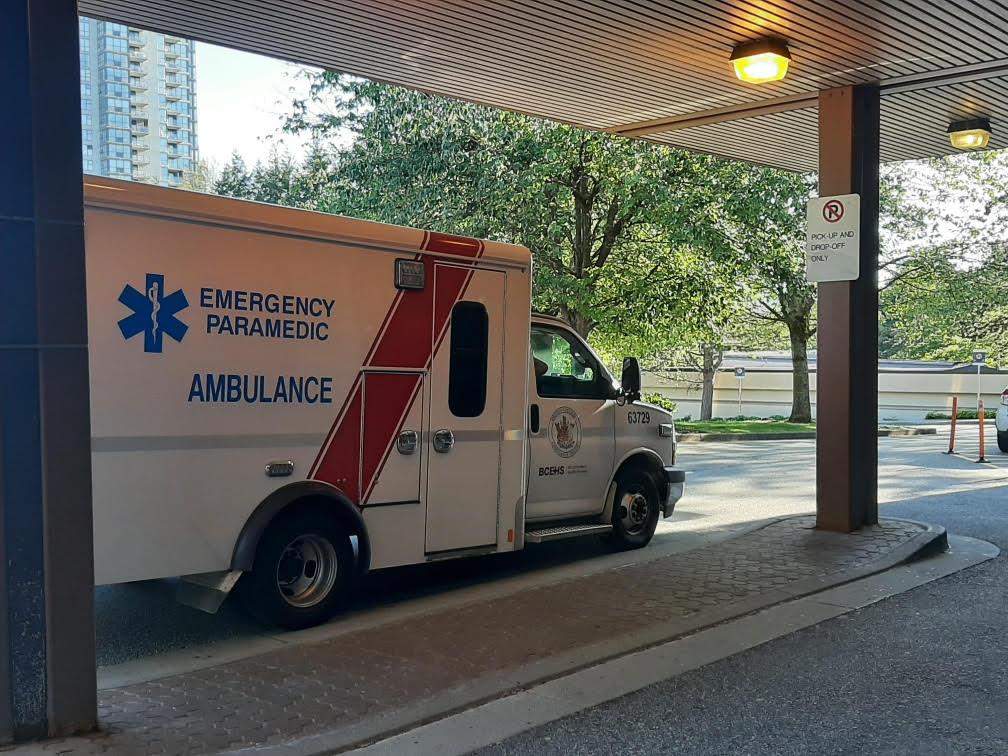
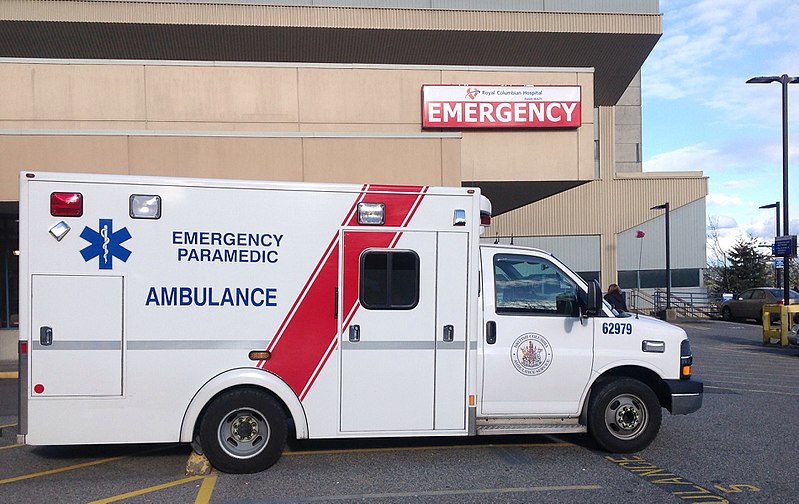
With more than 250 separate hospital and emergency room closures across B.C. this year, paramedics are advising the public to have a plan in case their hospital isn’t taking patients.
“As these closures increase, the weight on paramedics grows heavier. Our members are being asked to fill gaps across the system that continue to widen,” stated Ambulance Paramedics of B.C. president Jason Jackson in a release.
APBC has been negotiating with the province for a new contract since mid-September.
Local news that matters to you
No one covers the Tri-Cities like we do. But we need your help to keep our community journalism sustainable.
With two ambulance stations at Səmiq̓wəʔelə, (suh-Mee-kwuh El-uh) formerly the Riverview Lands, it’s particularly hard to fill those gaps in the Tri-Cities, explained APBC spokesperson Ian Tait.
The stations are historically known as two of the “worst ambulance stations in the province,” Tait told the Dispatch, explaining the stations weren’t designed to be running three or four ambulances.
“It’s been really frustrating for all of the members that have been attached there over the years.”
Some paramedics and community members have advocated for better facilities.
“We’re not making a whole lot of progress on that right now,” Tait acknowledged.
Having the two stations roughly positioned along the Coquitlam/Port Coquitlam border has made response times a challenge in the past.
In an analysis from 2020, it took an ambulance 10 minutes and 52 seconds to respond to an urgent call in Coquitlam. Among 22 communities with at least 5,000 ambulance calls in 2020, Coquitlam ranked 20th in urgent response time, ahead of only Delta and Langley.
The response time in Port Coquitlam was 10 minutes and 58 seconds, with Port Moody clocking in at 11 minutes and 58 seconds.
Those numbers don’t paint a complete picture, Tait said. Response times in life-and-death situations are generally very quick. However, a call for a broken foot may have the same designation but not get the same response.
“It’s not unusual for very minor issues to wait for many, many hours for an ambulance,” he said.
While he acknowledged not having hard data, Tait said today’s response times are likely similar to the 2020 figures.
“I don’t think it’s improved a lot, if at all,” he said.
According to a recent civil claim filed by emergency room doctor Kaitlin Stockton, Eagle Ridge Hospital staff have made several requests for a Code Orange, cancelling elective surgeries and diverting ambulances.
Tait said he hasn’t seen any Eagle Ridge Hospital closures recently.
With winter coming, Tait emphasized the role severe weather can play in disrupting health care.
“Everything takes longer,” he said. “Instead of doing 10, 12 calls a day, sometimes you can only do four.”
And as calls pile up, patients who aren’t in a life-and-death situation can end up waiting a long time for care, Tait said.
It’s also a hardship for paramedics, he said, noting that many first responders struggle with compassion fatigue and burnout.
“This job can take a piece of you for sure,” he said. “Sometimes it can take a lot more.”
Author