Following recent move to ban mobile pettings zoos, Port Moody pushes province for stricter rules
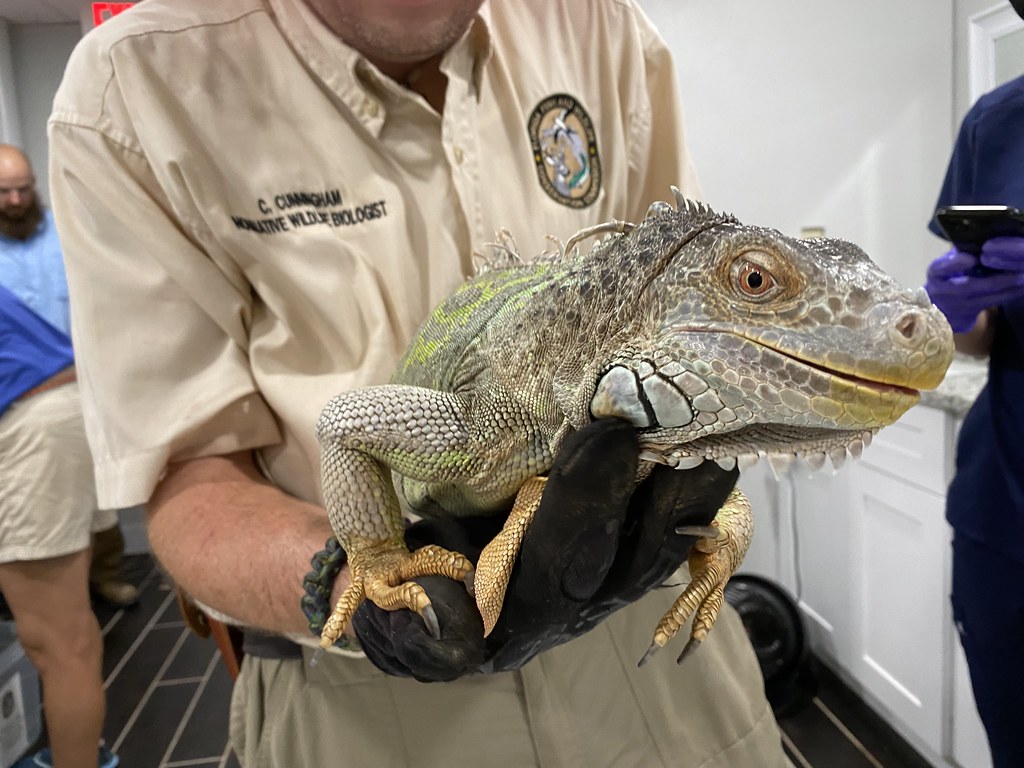
Port Moody council is now urging the province to step in with stricter regulations on practices involving exotic animals.
On Feb. 25, Coun. Kyla Knowles, who spearheaded the city’s move towards banning mobile petting zoos, introduced an advocacy motion to the Union of BC Municipalities (UBCM) calling on the province to strengthen the rules around mobile live-animal programs.
The motion also calls on the province to update the Controlled Animal Species Act to prohibit importation, keeping, breeding and transportation of all exotic species.
Local news that matters to you
No one covers the Tri-Cities like we do. But we need your help to keep our community journalism sustainable.
Knowles said the current regulatory regime creates risks around zoonotic disease transmission, as well as injury to both animals and people. Her motion passed unanimously.
“Whenever animals are on display or made to perform for recreation, sport or entertainment, they face risks to their physical and psychological well-being,” Knowles’ motion stated. “Meeting an animal’s welfare needs during (the programs) is very difficult, if not impossible, particularly if operators are not trained to recognize and alleviate animal distress or suffering.”
Mobile live-animal programs, which are unregulated by the province, are events where live animals are exhibited to the public. The resolution states there are no educational or training requirements for operators, and no minimum standards for treatment of the animals.
All animals in captivity, including exotic animals, must be kept in sanitary conditions and given adequate food, water, shelter, light, exercise and veterinary treatment, according to B.C.’s Prevention of Cruelty to Animals Act. Penalties for causing to distress to an animal range up to a fine of $75,000 and 24 months in prison.
Council rejected a staff recommendation that would have considered exempting reputable organizations from their local ban, despite some animal rescue organizations urging council to reconsider.
Mike Hopcraft, owner of Wild Education, told the Vancouver Sun that BC SPCA does not take in reptiles, his Langley-based organization rescued 153 reptiles last year alone, and smaller independent organizations don’t have the ability to raise funds as effectively.
Mayor Meghan Lahti said that while she supports the resolution, she think council also needs to advocate for some form of alternative funding model for these organizations, as they often use these programs as a source of revenue for their rescue efforts.
“The money that they’re raising is, for the most part, to actually take care of those animals,” Lahti said. “I think there’s the other side of this coin that we need to kind of be considering as well.”
Knowles said, however, that there are several local rescue organizations, such as The Happy Herd in Langley and Hearts on Noses Sanctuary in Mission, which don’t use the live shows to raise funds.
“They don’t put their animals in boxes and drive them all over town,” Knowles said. “There are resources out there for rescues who choose a different business model.”
Coun. Amy Lubik said she would have supported a resolution asking the province to ban the practice entirely, but she acknowledged that motions to UBCM have higher chance of success if they leave room for compromise.
She noted there have been numerous UBCM resolutions in recent years asking for an update to the Alien Species Act, as well as the Wildlife Act.
“It’s really important that we keep telling the province this is important to us. . . . That we keep pushing” Lubik said.
Following a presentation by the BC SPCA in January, Port Moody council voted unanimously to have staff develop a policy banning all mobile live-animal programs within city limits.
Knowles sought to ban the practice after concerns were raised for animal welfare at the Fingerling Festival and the Golden Spike Days.
The BC SPCA stated there are limited educational benefits, and no notable increase in conservationism, despite the claims of some organizers.
Port Moody’s own environmental technician confirmed the SPCA’s claims, adding the practice promotes using animals as entertainment, normalizes animals in captivity, detaches animals from their natural contexts, and can promote the exotic animal trade.
Knowles’ motion stated these programs often expose animals to: “large crowds, loud noises, and are handled by untrained individuals in unfamiliar settings for extended periods,” adding the transportation to-and-from events exacerbates their stress levels.
Young animals often featured in petting zoos may be separated from their mothers during crucial stages of care and socialization, claimed Knowles, who raised further concerns over what occurs once they outgrow their “cute factor.”
She stressed that shelters and rescue organizations should be held accountable if they use live-animal displays as part of fundraising or re-homing campaigns, as this could jeopardize the welfare of the animals they aim to assist.
Knowles further warned that farmed or exotic animals have the potential to carry diseases such as E. coli and salmonella. She notes the Centres for Disease Control and Prevention recommend children younger than five years old should not handle or touch reptiles or amphibians or their environments because they are at a higher risk for serious illness and hospitalization.
Author