110 purple flags will fly along Tri-Cities routes on Friday to mark 7th anniversary of B.C.’s toxic drug emergency
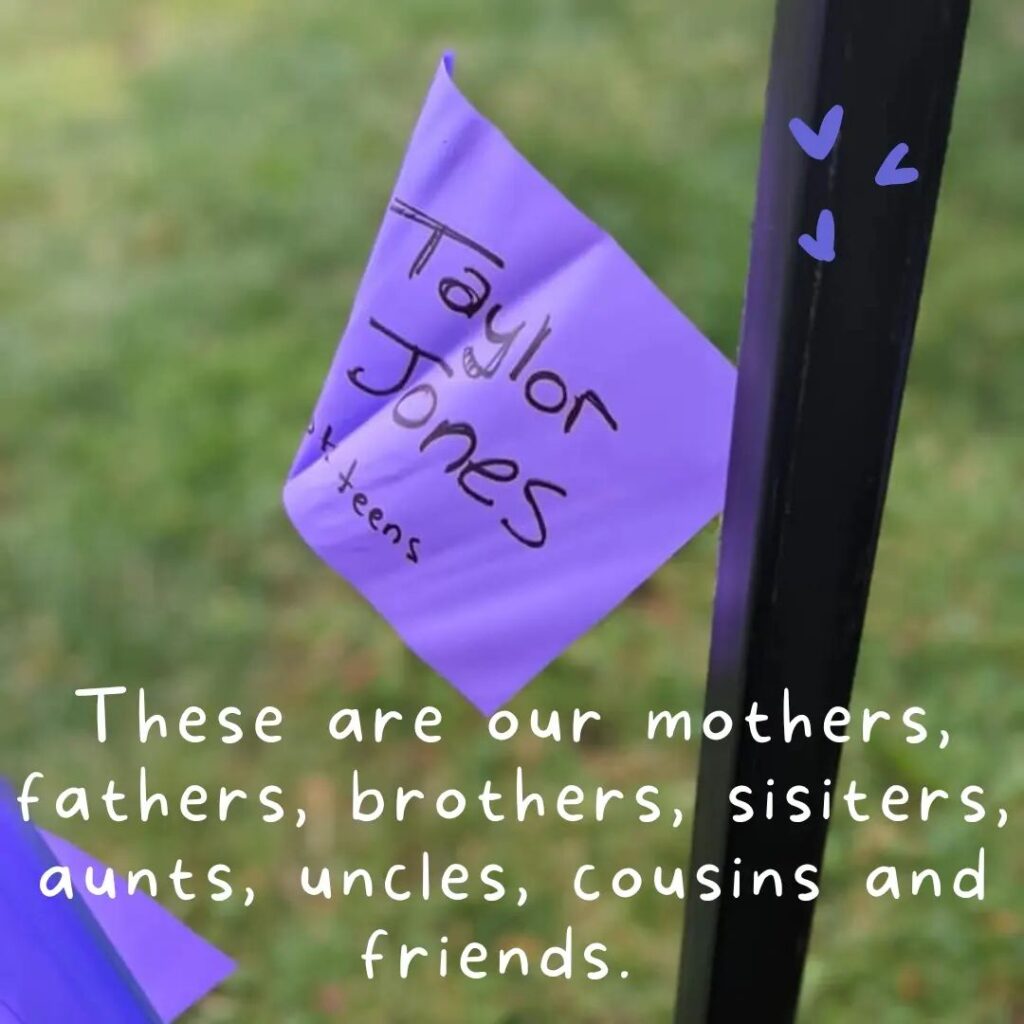
On Friday April 14, commuters travelling along the Tri-Cities’ arterial routes will count 110 purple flags – one flag for every 100 people killed by toxic drugs since a public health crisis was announced.
Coquitlam, Port Coquitlam and Port Moody all granted the TriCities Overdose Community Action Team (TCCAT) a highway use permit to display the public art message meant to lessen the stigma around opioid addiction.
James Musgrave, TCCAT chair and a director at SHARE Family and Community Services, spoke at Port Moody council on Tuesday.
Local news that matters to you
No one covers the Tri-Cities like we do. But we need your help to keep our community journalism sustainable.
He said 292 local residents are counted among the 11,000 people lost since the crisis was announced on April 14, 2016.
“We are losing middle aged and older men, who typically work in the trades and are losing them in the comfort of their own homes,” Musgrave said. “These people are our neighbors, our friends and our co-workers.
“We are hoping to have the cities come together to raise awareness and enhance our message.”
The small purple flags will start on Ottawa Street in Coquitlam, run along Lougheed Highway and St. Johns Street, and end at the bottom of the Clark Road hill in Port Moody.
In 2022 alone, 2,272 B.C. residents died from the toxic drug supply, the second largest year on record, slightly behind 2021’s figure.
Seventy percent of those who died were between 30 and 59-years old, 79 percent were men, and 55 percent of the deaths occurred in private residences.
Breaking point
The 7th anniversary of the provincial declaration hit close to home for one Port Moody councillor.
Coun. Diana Dilworth lost her son to carfentanil poisoning in 2017. She said when her son died, an average of four people a day were dying of toxic-drug overdoses, and today, seven people die each day.
Dilworth said while she’s in support of raising awareness, there needs to be the political will from all levels of government to bring more resources and funding to the table.
She said she’s spoken to three B.C. ministers of mental health and addiction, and has not seen much progress in three terms.
“We’ve been raising awareness for seven years. Where is the action?” Dilworth said. “I’m going to be horrified if we’re sitting here three years from now, and there’s 10 people a day dying.
“People should be getting very angry about this … There’s going to be a breaking point.”
Coin. Callan Morrison thanked Dilworth for sharing her loss, and agreed that a day of flags was not enough.
“And I know that we all know that,” Morrison said. He said everybody needs to share their stories, and be open about the reality of the toxic-drug crisis.
Coin. Amy Lubik said that everyone in the province has been hurt by a death related to the crisis.
She said Port Moody has actively tried to advocare for more services, but they need to push the province more.
“There’s so much more that is needed to plug all the holes in the completely frayed social safety net,” Lubik said. “There’s so much anger. I know that there are a lot of people doing great work and trying so hard, but it feels like nothing is being done.
“This weekend, we had a whole bunch of people just physically displaced off the Downtown Eastside and the amount of trauma that goes with that, with people who already didn’t have connections to services is just heartbreaking.”
Coun. Samantha Agtarap said that she and Coun. Haven Lurbiecki have been discussing harm reduction, and hope to bring forward an agenda item to council in the future.
“I just would like to encourage everybody in the audience and everybody in public to take some Naloxone training, and get yourself a kit,” Agtarap said. “These can save lives and there’s really no downside.”
Author