This is the slowest bus route in Coquitlam
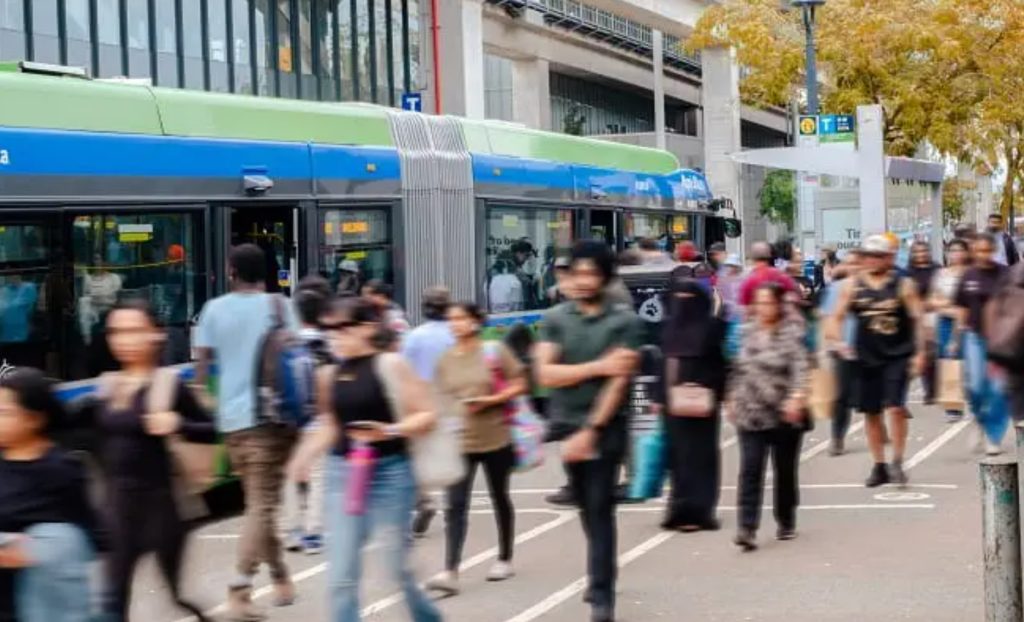
A look at the numbers in TransLink’s annual performance reviews offers some insight to changes from 2024 to 2025.
“Each year, these stats tell lots of fascinating little stories from across the region,” said Denis Agar, executive director of the group Movement, a transit riders advocacy group.
In the Tri-Cities, the 186 route in Coquitlam along Pinetree Way is in the top-10 of bus routes that saw huge drop-offs in speed from one year to the next, with the buses on the route losing 6.1 per cent of its time due to increasing congestion.
Local news that matters to you
No one covers the Tri-Cities like we do. But we need your help to keep our community journalism sustainable.
Movement crunched the numbers from 2025 and found that:
A drop in youth and student population in 2025 was one of the biggest stories in transit, causing significant drops in overcrowding and a slight drop in ridership systemwide.
Despite this, several key routes in Surrey are far above their pre-COVID ridership, reflecting a permanent shift in the city’s commute patterns. “Because of recent investments, Surrey is becoming a transit city.”
Routes with increased service saw major ridership increases, including in Tsawwassen First Nation and Pitt Meadows.
Overcrowding still exists on many routes region-wide and must be addressed with additional buses. These new buses are needed most on routes in Surrey, east-west routes in Vancouver and Richmond, and routes crossing the Lions Gate bridge.
Routes in Vancouver that saw major cuts during COVID have ridership that remains way below their 2019 peak. These routes illustrate the ridership death spiral phenomenon, and the main cure is more buses and more housing near transit.
39 routes have gotten over 10 per cent slower since 2019. Slower buses cost TransLink over $25 million per year.
“We need to act quickly to get a handle on this runaway problem that’s harming transit in two ways: it’s driving away riders, and it’s inflating operating costs,” said Agar. “Bus lanes and other forms of transit priority are the answer.”
Metro Vancouver numbers
After years of rapid growth, ridership fell on average system-wide by 1.5 per cent, said Agar.
“TransLink says there are three reasons for a dip in ridership: slowing population growth, a decline in youth population, and economic uncertainty. Two years ago, Metro Vancouver was adding over 100,000 new residents each year. Last year, that number was only 5,300. This is because the federal government has cut international student and temporary worker arrivals, both demographics which rely heavily on transit.”
Buses are the most-used form of transit in Metro Vancouver with 60.7 per cent of total boardings, compared with 37 per cent for SkyTrain lines.
People ride transit more if you make it better, says Movement.
“Last year, TransLink funded a new investment plan that saw service increases for 37 routes,” said the group in a statement. “Routes which saw service improvements retained the most ridership. Frequency boosts for routes 719 and 722 resulted in a 57% jump in ridership. Route 609’s extension and service boost spiked ridership by 118%. Larger buses on the 23 resulted in a 4% ridership bump. Generally, if you look at the list of routes that have ridership increases, and the routes with service increases, it’s mostly the same list. This indicates that there is plenty of unmet transit demand out there.”
People ride transit less if you make it worse…
Many of Vancouver’s trolleybus routes, including the 3, 8, 10, 17 and especially the 20, have been in a continuing “death spiral,” said Movement. “Service was cut dramatically on these routes in 2020 in response to a drop in ridership. But these cuts in turn cause ridership to fall even further, which causes more service cuts, which causes ridership to fall, and so on. These routes are also consistently among the slowest in the entire system. Bus lanes on the busy roads they run on would make them cheaper
Author