‘Sideswiped by history’ A closer look at incumbent Bonita Zarrillo’s loss in Port Moody-Coquitlam and the fall of the NDP
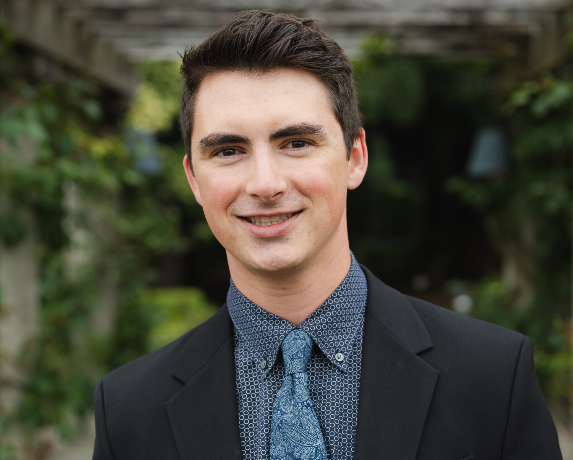
Bonita Zarrillo, NDP candidate and incumbent for Port Moody-Coquitlam, was one of the many in the party who lost their seat in the 2025 election

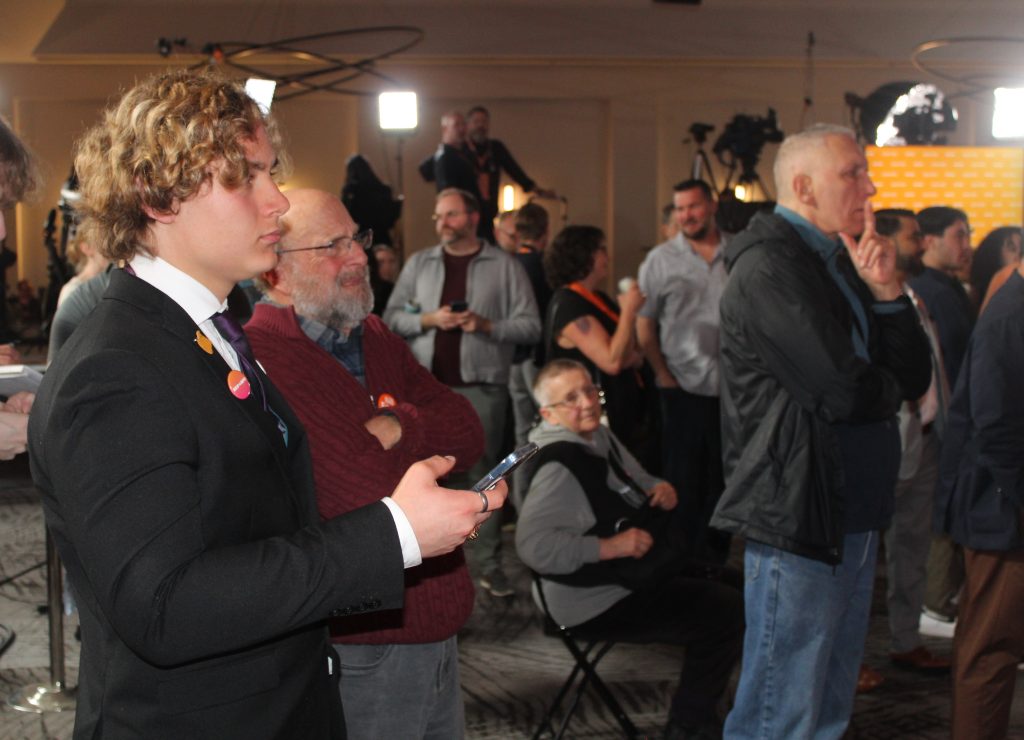
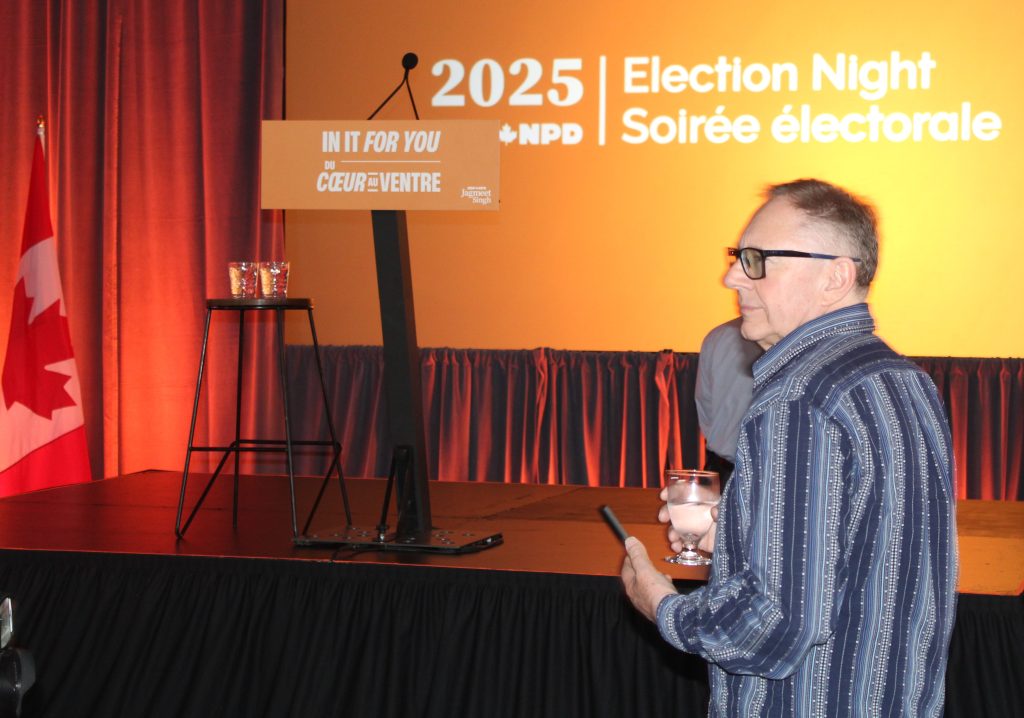
At an NDP election results party on Monday night in Burnaby, people cheered whenever a NDP candidate came ahead in the polls (like Lori Idlout in Nunavut). Some wore the bright NDP orange, and the mood was relatively cheerful, with people chatting and laughing.
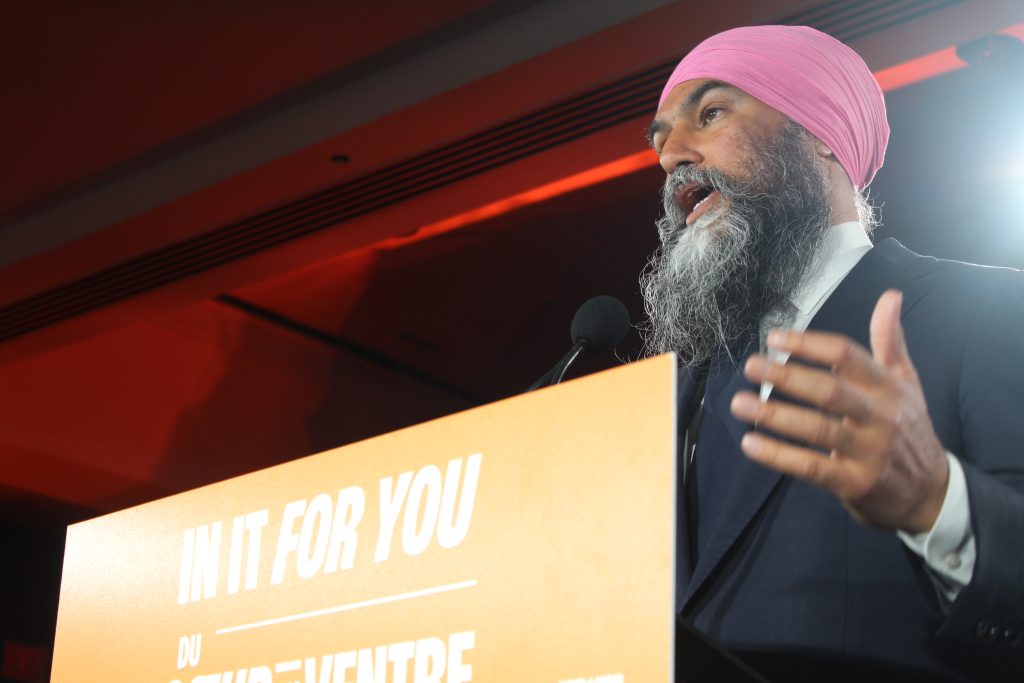
But across the country, the news for the New Democrats was bleak: the party went from 24 to seven seats and lost its official party status. Jagmeet Singh came in third in his Burnaby Central riding, and by the end of the night he announced he would be stepping down as leader of the NDP.
“Obviously, I know this night is a disappointing night for New Democrats,” said Singh in an emotional speech Monday night.
Local news that matters to you
No one covers the Tri-Cities like we do. But we need your help to keep our community journalism sustainable.
“We had really good candidates that lost tonight. I know how hard you worked. I spent time with you. You’re amazing. I’m so sorry you’re not able to represent your community. I know you’re going to continue to fight for them,” he added.
In Coquitlam, Bonita Zarrillo, the NDP incumbent in Port Moody-Coquitlam, spent the evening with her own campaign volunteers and supporters at a local restaurant.
Following the loss, Zarrillo said she was proud of the work she did representing Port Moody-Coquitlam residents, people with disabilities, seniors and people looking for housing.
“I was just proud to be able to stand up over and over again for people that are struggling with affordability in the Lower Mainland and in the Tri Cities, and to be able to be their voice,” she said.
After finishing a close second in 2019 and winning by a comfortable margin in 2021, Zarrillo finished a distant third Tuesday, garnering 15 percent of the vote as Liberal Zoe Royer won the riding.
“I was expecting that the community was going to want progressive choice here in Port Moody Coquitlam and reject the Pierre Poliieve narrative that’s been permeating on social media for years now,” Zarrillo said, when asked what she was expecting going into election day.
Zarrillo losing her seat is a hit to the party, said Kareem Hassib, an NDP organizer and third year urban studies student at the University of British Columbia.
“That’s a big blow for us and our BC caucus for the NDP.”
But he said the NDP wasn’t naive to what it was facing in this election.
“We’ve been looking at the data, we’ve been knocking on doors and hearing people’s responses first hand, we’ve been ringing people on the phone and talking to Canadians. And through that, we’ve sort of realized that, yeah, the party is going to take a hit from where we’ve been for the last few elections,” he said.
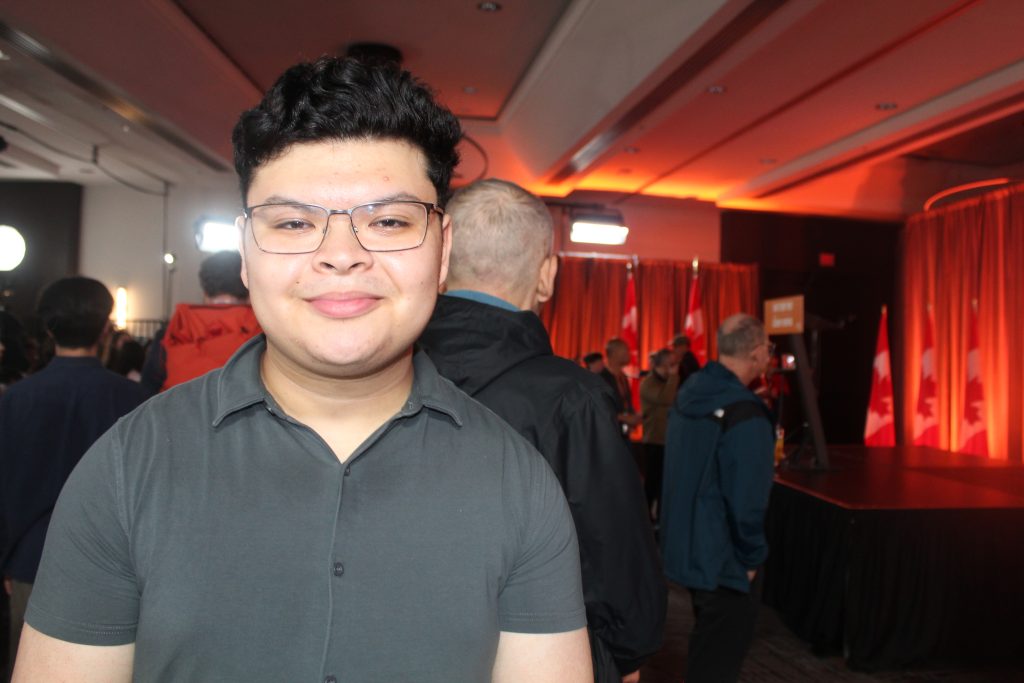
“I think that it was a bit of an uphill battle,” he said. “But given the circumstances that we were given, I think we put up a very hard and fast campaign.”
Hassib remained positive about the NDP’s influence with a Liberal minority, saying they’ll “have a smaller but still very loud and outspoken voice on holding Liberals to account on the progressive values.”
What happened?
The election of U.S. President Donald Trump and his subsequent tariffs and threats to Canadian sovereignty, a distaste for Conservative leader Pierre Poilievre on the centre left, and the possibility for a Liberal victory all led to a disastrous night for the NDP, said Richard Johnston, a professor of political science at the University of British Columbia.
“Nothing to do with the local candidate, really, other than her association with a party that was sideswiped by history,” he said.
He added that it’s one of the most competitive ridings in the entire country, and has always been a three way race between the NDP, LIberals, and Conservatives “for almost as long as the constituency has existed.”
Since the ‘60s, Canadian constituencies have had an urban-rural dimension, with urban voters generally voting left and rural voters often voting right, said Johnston. He said it’s because cities have more people with university education and greater diversity, which tends to help the Liberals.
Meanwhile, suburbs tend to have more diversity than cities but fewer people with university education, he explained, which makes these ridings competitive for both parties.
And since there tends to be more union workers in suburbs, and the NDP historically has been a party of economics (rather than education or ethnicity), it also has a foothold in these ridings.
“That’s kind of the secret sauce for the three way contestation,” Johnston said.
Where does the NDP go from here?
Jäger Rosenberg, who was running for the NDP in the West Vancouver – Sunshine Coast- Sea-to-Sky riding at just 18 years old, said that this is a moment for party reform.
“I think we do a renewal,” he said. “I think it might be time for us to restart the party so we can get momentum, get things going back. And I think we need to get back to our progressive roots.”
Rosenberg mentioned both Bonita Zarrillo and Laura Dupont, who ran in Coquitlam-Port Coquitlam, as progressives he’d like to see in NDP leadership, before it was known that they lost their ridings.
“She stands up every day, and she’s really, really connected — my sister lives in her riding —and I know people really like her on the ground,” Rosenberg said of Zarrillo.
Johnston said he thinks that the NDP needs to refocus on ‘bread and butter’ issues, like affordability.
“They probably might want to ask what should be the balance between sort of straight up economic issues and the broader, more culturally infused social justice agenda,” he said.
While he acknowledged some of the policies the NDP pushed forward in its supply and confidence agreement with the Liberals, like dental care and pharmacare, he said that strong unions are what are most important to the working class — which is what the NDP traditionally tried to represent.
“If they want to remain distinct from the Liberals, my inclination would be to say, put more emphasis on people paying a mortgage, put more emphasis on the affordability issues and actually have some real policies about it.”