Overnight shelters approach capacity; ‘We’re sending people back outside with nowhere to go’
There’s been enough space for homeless people in the Tri-Cities’ overnight shelters – but just barely.
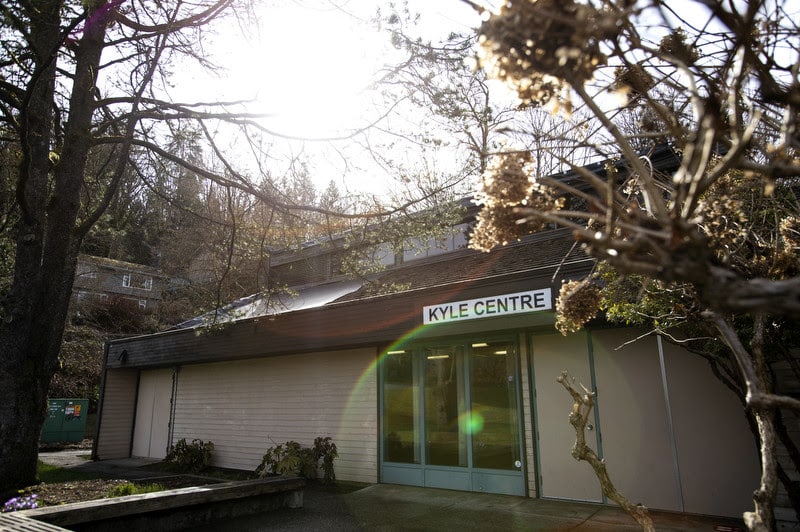
Between the emergency weather response shelter at Kyle Centre and Coquitlam’s community churches, there are a total of 40 beds available. With snow piling up on the streets, around 35 Tri-Cities residents have been seeking a warm place to spend each night.
“We’re very grateful that we haven’t had to turn anyone away as of yet,” said Lenore Mossing, director of programs for Progressive Housing Society.
Local news that matters to you
No one covers the Tri-Cities like we do. But we need your help to keep our community journalism sustainable.
Every evening, drivers head out in a 10-passenger van and an SUV head to spots at Lincoln SkyTrain, Kingsway Avenue and Christmas Way to pick up people who need shelter until the morning.
The situation is often desperate, Mossing reported.
“We see people come in, their clothes are soaked, they’re soaked, their hair is wet, they’re shivering,” she said.
While the shelter program is well established there’s still a concern that some folks might still be couch surfing or even sleeping rough, Mossing said.
Beyond the physical impacts, spending the night outside can also have serious mental health consequences, Mossing said.
The shelter supplies dinner, which is usually a hearty dish like chilli or pasta.
“Everybody feels better when they’ve had a nice hot meal,” Mossing said. “The coffee’s on all night.”
The shelters serve breakfast in the morning. After that, the shelter’s residents need to find a place to spend the day.
“Probably the most heartbreaking thing is that we’re only open until eight in the morning,” Mossing said. “We’re sending people back outside with nowhere to go.”
The biggest challenge is the temporary nature of the programs, according to Mossing.
“People are just surviving out there,” she said. “We want people to be able to move from survival mode to thrive, and it’s really difficult to do when each day you’re trying to figure out just how to make it until that 8:30 p.m. opening time.”
A year-round, 24-hour shelter would make it easier for homeless people to build relationships and get connected to services, she said.
With a permanent shelter, “We could move people from homelessness to housing,” Mossing said.
Progressive Housing Society operates Coquitlam’s cold/wet weather shelter system, which rotates between four churches. The program generally begins Dec. 1 and wraps up in March with each church hosting the shelter for about one month.
The Kyle Centre serves as a shelter during periods of extreme cold or persistent rain.
Author