Port Moody pauses development-related public art until broader policy completed
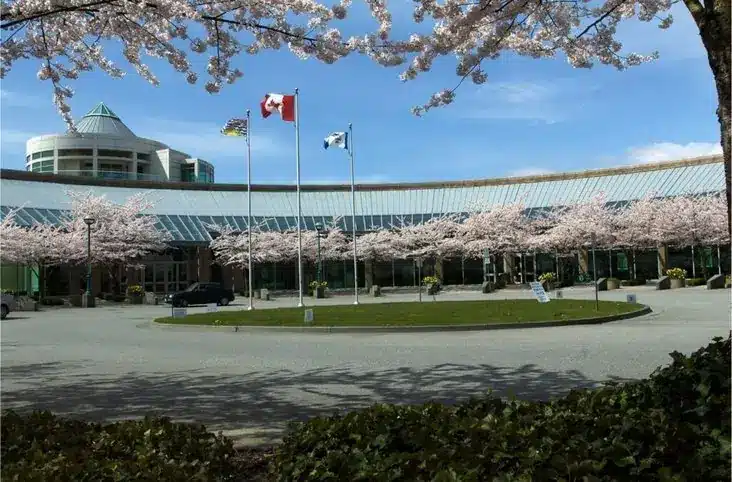
Port Moody has placed a moratorium on using developer dollars on public art pieces, opting to funnel funds to its reserves until a more strategic vision is in place.
Coun. Kyla Knowles introduced the motion, which passed unanimously, on Tuesday, Sept. 24, asking council to halt spending until the city’s Art in Public Places policy is updated.
Due to the anticipated development boom for the city, Knowles said she wants to ensure public art monies contributed to the city can be used for more than just static art pieces.
Local news that matters to you
No one covers the Tri-Cities like we do. But we need your help to keep our community journalism sustainable.
“I wish I had brought this forward immediately after the task force recommendations were delivered, because I feel like we’ve now missed out on those funds,” Knowles said. “I don’t want to miss any more going forward.”
One of the recommendations stemming from Port Moody’s Task Force on Arts & Business in late 2023 was to leverage developer funds for “long-term, permanent supply of arts spaces, initiatives and experiences and to invest in public realm improvements and building design.”
Knowles, who co-chaired the taskforce with Coun. Samantha Agtarap, said the intention is to diversify what can be funded through developer contributions.
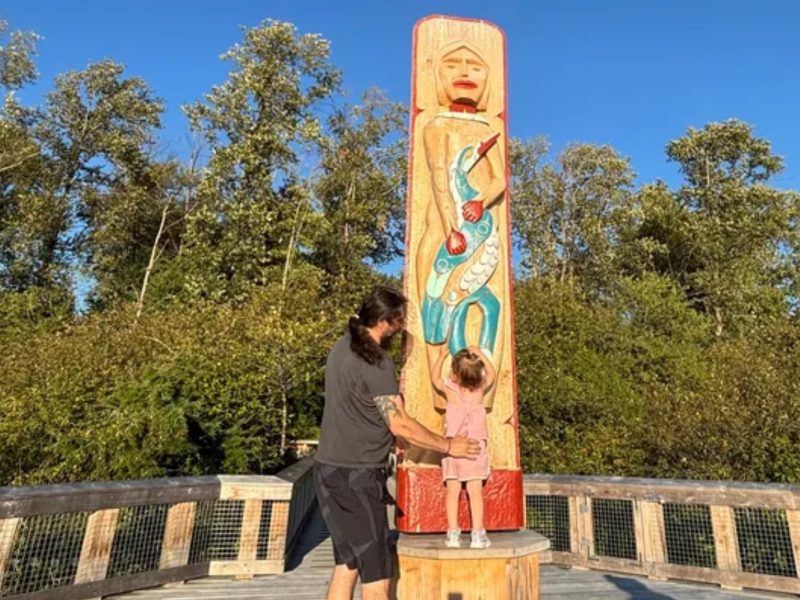
Developers commit around 0.5 percent of their total construction costs toward public art in the city, usually resulting in some form of static art piece, requiring regular maintenance and cleaning.
Money drawn from development could be used to support festivals, touring art shows, new programming, art spaces, and initiatives, according to Knowles.
She said she believes the officially defined purpose of Port Moody’s art reserve – to fund future acquisitions of artwork – needs to be “fundamentally reframed.”
“If we don’t act now . . . we will miss out on funding that could be used in this dynamic way in our community,” Knowles said. “We put it aside in reserve, and then we decide how we can use it.”
However, she said she was against “pulling the rug” out from under any in-stream projects, and the moratorium would only affect applications without a plan in place. Those which have a terms-sheet drafted with the city will be exempt.
Coun. Callan Morrison said he liked some of the static art pieces erected on the edge of development sites, but agreed there are a lot, adding the city had some rethinking to do on how it uses its art reserve.
He suggested they could even pool the public art dollars from multiple developments to fund a “marquee” piece.
Although supportive of the motion, Coun. Lurbiecki expressed some hesitation about the moratorium, describing it as a “solution looking for a problem.”
While she said she believed the task force’s recommendations were sound, she said there has still been no community engagement.
“My concern with updating this policy based solely on the task force is that missing piece,” Lurbiecki said. “We haven’t checked in with our community.”
Knowles countered that many residents in the arts community have been asking for a change on the way Port Moody uses its public arts fund, adding it aligns with council’s strategic plan
Mayor Meghan Lahti said she thought it was a “reasonable request,” due to the number of applications slated to appear before council in the near future. She moved to discuss the changes to the city’s strategic planning committee, which was passed unanimously.
Port Moody recently hired a new community art coordinator who is working on a new public art policy within the cultural services department.
City Manager Anna Mathewson said the updated policy will align with recommendations from the task force, as well the Art and Public Spaces Masterplan, including how financial contributions for art are allocated among reserves. “That work was already underway,” she said.
Author