Police warn of uptick in crypto scams
The money may be fake but the scam is real.
Coquitlam RCMP are reminding residents to be wary of cryptocurrency apps after receiving several reports of residents being scammed, including one account of a victim who lost “several hundred thousand dollars.”
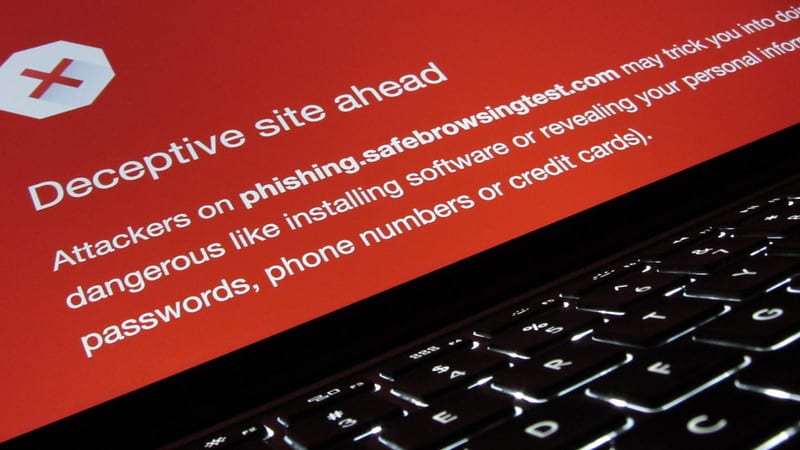
Using social media, texts, or emails, the scammers claim they’ve made a lot of money through cryptocurrency investments. Sometimes they send phishing texts that send the victim to the phony website. However, there are some cases where the scammers build trust, “forming personal relationships with victims over weeks or months before defrauding them,” according to a statement from Coquitlam RCMP.
Local news that matters to you
No one covers the Tri-Cities like we do. But we need your help to keep our community journalism sustainable.
After the victim deposits money in the crypto exchange, the app displays fake profits. At this point, the scammers often try to get the victims to up their investment.
When the victims try to cash out, the scammers ask for a “processing fee.”
In some cases, the victims pay the junk fee – losing both their initial investment and the added-on processing charge.
“These scammers rely on high-pressure sales tactics to create a false sense of urgency and fear of missing out, pushing people to make impulsive decisions without thinking them through,” stated Coquitlam RCMP media relation officer acting Sergeant George Han in a press release. “Do not rush, call someone and discuss about the investment before making any decisions.”
Police advise being cautious of any unexpected calls or messages and not downloading unknown software or apps.
Do not give anyone remote access to your computer.
Police recommend reporting scams to the Canadian Anti-Fraud Centre.
Anti-fraud fraudsters
Scammers have begun impersonating Canadian Anti-Fraud Centre representatives.
The scammers tend to say they’re investigating fraud or they’re working to get your money back from a previous scam. They then ask for personal and financial information.
The CAFC does not contact individuals to request money, the agency stated.
Author