Port Moody eyes grant program to support strata playgrounds nearing end of life
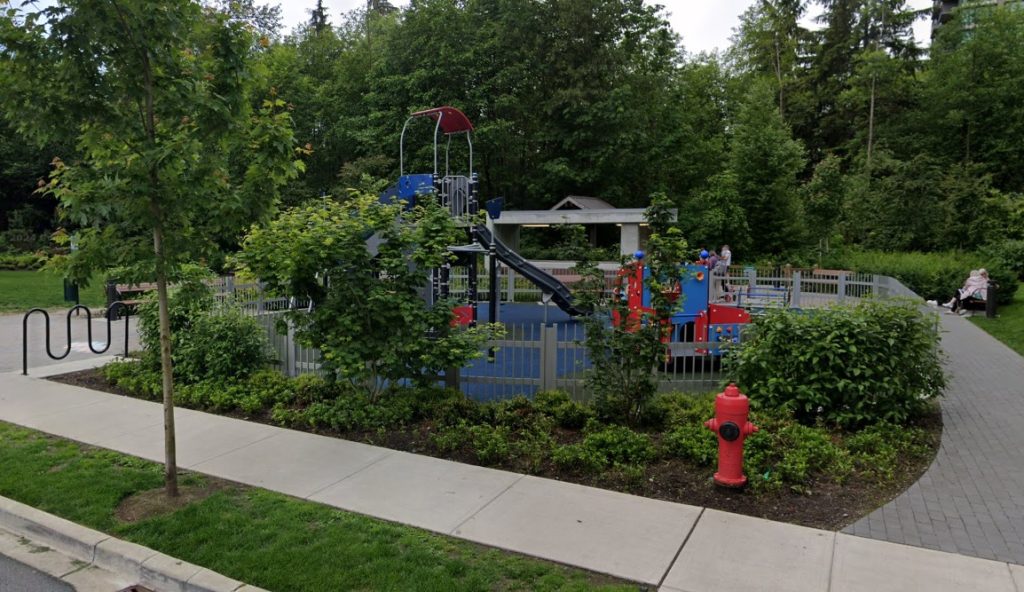
Port Moody is exploring a new grant program to help strata corporations refurbish publicly accessible playgrounds located on private property, in an effort to meet growing park needs as the city densifies.
Council unanimously endorsed a motion on July 22 directing staff to report back on the feasibility and criteria for such a program, which would support upgrades to play structures that have reached the end of their lifespan.
The motion was co-sponsored by Couns. Callan Morrison and Samantha Agtarap.
Local news that matters to you
No one covers the Tri-Cities like we do. But we need your help to keep our community journalism sustainable.
“It’s just about the fact that (infrastructure) gets old, weathered, and could be updated,” Morrison said. “The hope with this motion is that staff can report back, perhaps on a grant program . . . to incentivize refurbishment or repair of these play structures to keep them active, relevant and fun for kids.”
Playgrounds in strata complexes are often built as part of community benefit packages tied to development approvals. But because they’re privately owned, councils have no authority to require their replacement once they age out.
Morrison pointed to a 20-year-old playground in Newport Village as an example. While not in poor condition overall, he said it had some trip hazards and would benefit from modernization.
“This isn’t a criticism of stratas,” Morrison said, pointing to the stratas’ difficulties with juggling repairs and upgrades amid rising costs. “There are going to be some parks and playgrounds that were publicly provided as part of a development that stratas don’t feel like prioritizing the upkeep and maintenance to the level of replacement that might be needed.”
Agtarap said the idea is not for the city to fund full replacements but to help encourage stratas to invest when their playgrounds are approaching end of life.
“The goal is just really to provide that incentive to update and keep things current and accessible,” she said. “It’s not about paying for the entire park . . . but more for when it’s reached the end of life and it’s either going to be decommissioned or replaced.”
The motion aligns with multiple goals in the city’s strategic plan and parkland strategy, Agtarap said, which call for expanding and enhancing parkland and open spaces, and leveraging the city’s public space.”
“We’ve identified areas where we need more parks,” Agtarap added. “These little parkettes are not going to serve all the needs, but anytime we can create those opportunities is important.”
Coun. Kyla Knowles supported the initiative but raised concerns that some stratas might delay proactive upgrades if they expect city funding down the road. She said she wanted to know details about funding, grant distribution and eligibility.
“I love this idea . . . I’m a big fan of neighborhood parks,” she said. “But I would ask that when that report comes back, that it includes considerations of how this might just be more money than we’re willing to shell out.”
Coun. Haven Lurbiecki questioned whether the city should be stepping in at all, given that such playgrounds are usually negotiated as part of development approvals. “It’s perplexing,” she said, noting the city is now potentially helping to fund features that were once offered as community benefits.
Staff told council that playground access and maintenance often vary depending on the age of the development. Older playgrounds were often built without anticipating high public use, while newer developments – like Coronation Park – dedicate park spaces to the city outright.
“In key locations where the city needs more park assets, we are recommending that they actually become our assets,” said City Manager Kate Zanon. “We have kind of shifted how we are negotiating these over the past several years.”
Dilworth said she would like to see the conversation go even further.
“The motion speaks strictly to upgrading existing parks, but I wonder if we can extend this conversation to help (stratas) build new parkettes,” she said, noting that many older complexes have underused green spaces that could be transformed into more active or accessible spaces.
With densification on the rise and land at a premium in high-growth areas like Moody Centre, Morrison emphasized that “it would be way too expensive for the city to buy tiny parcels of land” to replace aging strata playgrounds.
Supporting shared-cost upgrades, he said, could offer help keep public play spaces viable in a growing city.
Staff are expected to report back within three to six months.
Author