RCMP can apply to dispose of thousands of items seized in Pickton case, court rules
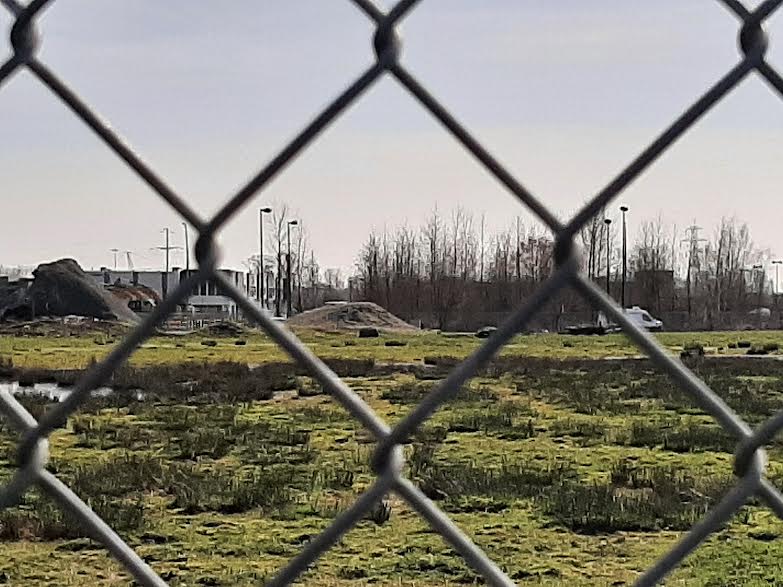
While the question isn’t completely settled, the RCMP can now lobby the courts for permission to dispose of about 15,000 items seized from murderer Robert Pickton.
The items include objects that belonged to victims as well as items used in the commission of Pickton’s crimes, according to a recent B.C. Supreme Court ruling.
Pickton died in June stemming from injuries he sustained after another prisoner attacked him with a broken handle. Pickton had been convicted of six counts of second-degree murder.
Local news that matters to you
No one covers the Tri-Cities like we do. But we need your help to keep our community journalism sustainable.
Following his 2007 conviction, all Pickton’s appeals were exhausted in July 2010. In August, 2010, B.C.’s Prosecution Service formally stayed 20 outstanding murder charges against Pickton.
Police are applying to dispose of thousands of items seized in 2002 and 2003 from the Pickton property at 953 Dominion Ave.
A “small portion” of those items were entered as exhibits at the trial, according to the B.C. Supreme Court judgment.
The court has authority to order the disposal of the Pickton items whether they were included in the trial evidence or not, concluded Justice Frits Verhoeven.
However, the justice also noted there could be debate regarding the many items that never made it to trial.
“There may be reason to doubt whether the court has inherent jurisdiction over seized items that are not made exhibits,” Verhoeven wrote.
As many of the seized items are “tainted by criminality,” they should not be returned to the owners of 953 Dominion Ave., according to the RCMP’s application.
Counsel for both Robert and his brother David Pickton took no position on the matter.
Pickton was initially charged with murdering 26 women. He was eventually convicted of killing Georgina Faith Papin, Sereena Abotsway, Mona Wilson, Andrea Joesbury, Brenda Ann Wolfe and Marnie Frey.
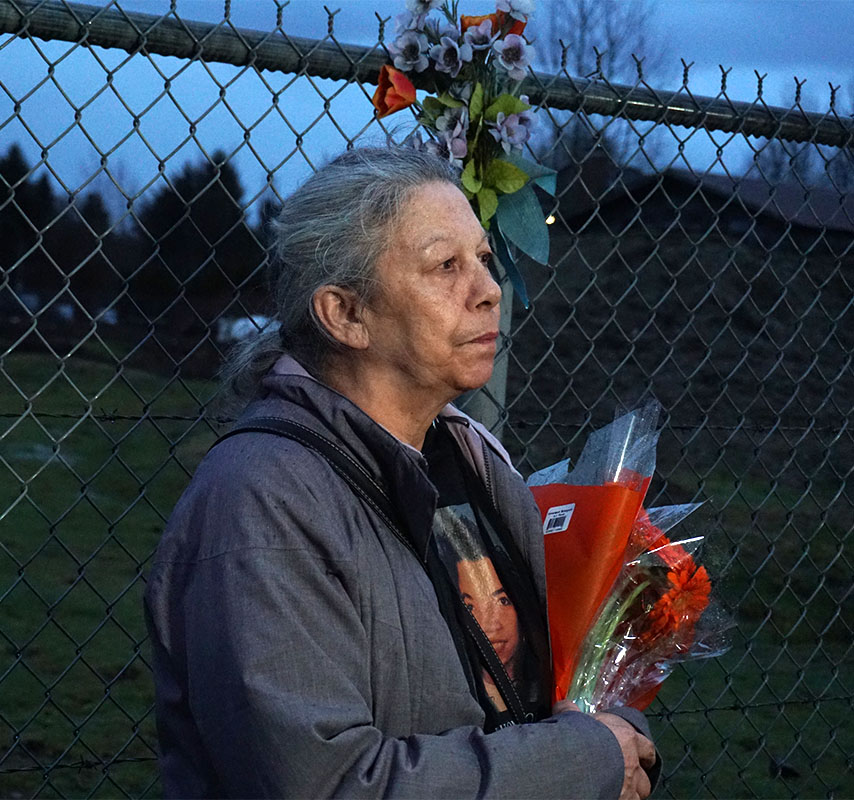
Families of the victims as well as lawyers and advocates for missing and murdered women strenuously objected to the RCMP’s proposal.
“For the families of those victims, justice has been elusive and they still hold hope that one day they will know what happened to their loved ones. Disposal of the exhibits will quash any remaining hope they have and solidify their perception that their daughters, mothers, sisters and aunties are less important than the space required to keep that evidence,” stated a letter written by Sue Brown and Sasha Reid.
Reid is a developmental psychologist who has studied serial killers. Brown is a director of advocacy and staff lawyer for the group Justice for Girls.
The letter contended the principle of due diligence means preserving the thousands of items.
“To date, no charges have been laid against possible co-conspirators. Adhering to the principles of due diligence and thoroughness in investigations compels police to exhaustively explore all possibilities, including the potential involvement of other suspects, before disposing of this crucial evidence,” the letter stated.
The letter was signed by individuals and groups including the Union of B.C. Indian Chiefs, the B.C. Civil Liberties Association, and Amnesty International Canada
An inquiry into the police investigations found “blatant failures,” and “recurring patterns of error,” some of which went uncorrected for several years.
“I have found that the missing and murdered women were forsaken twice: once by society at large and again by the police,” wrote Wally Oppal, who served as commissioner of the Missing Women Commission of Inquiry.
Author