B.C. Supreme Court rejects bid by Pickton victim’s family to preserve human remains as evidence
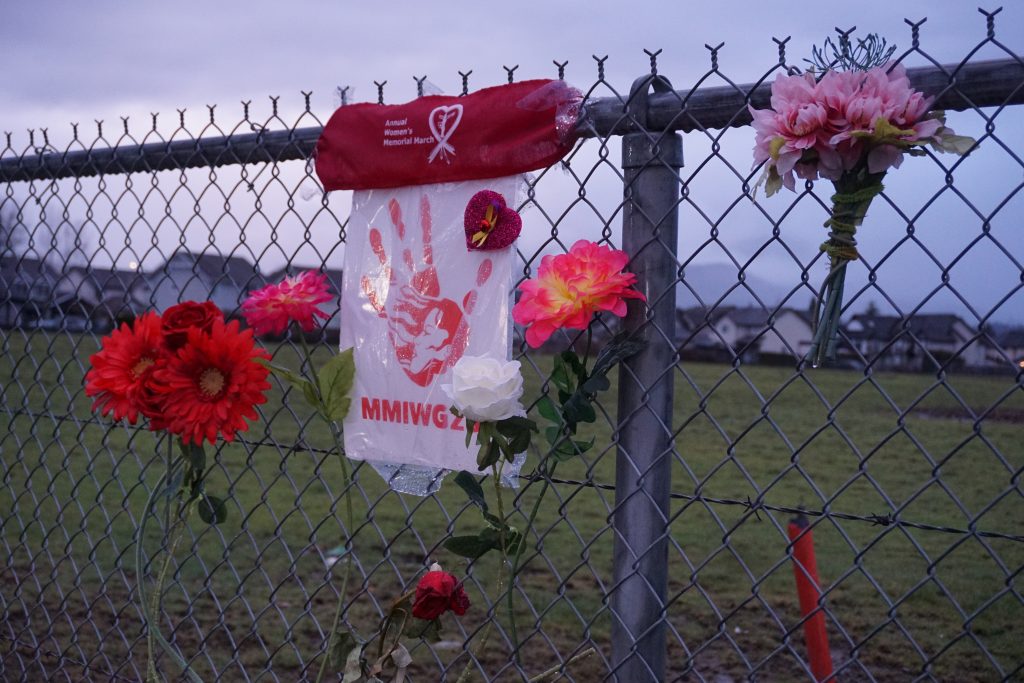
The B.C. Supreme Court has rejected a bid by the family of one of Robert Pickton’s victims to preserve human remains seized from the Port Coquitlam pig farm where Canada’s most infamous serial killer carried out his crimes.
Justice Alan Ross ruled on Oct 3 that plaintiff Sarah Jean de Vries – whose sister, Sarah, was among the murdered women – was not entitled to an order halting the RCMP from transferring human remains to the B.C. Coroners Service for testing and eventual disposition.
He decisively rejected the family’s application as both legally unfounded and ethically troubling.
Local news that matters to you
No one covers the Tri-Cities like we do. But we need your help to keep our community journalism sustainable.
“The position of the plaintiff’s counsel is that the human remains of an unrelated deceased should be retained for the purpose of introducing those human remains as evidence at a civil trial,” Ross wrote. “That concept not only offends (the Cremation, Interment and Funeral Services Act), it is morally offensive.”
The ruling marks the latest development in a series of civil lawsuits filed by nine victims’ families against Pickton’s brother, David, under the Occupiers Liability Act. They argue that as co-owner of the Dominion Avenue property where the killings occurred, David Pickton bore a duty to protect women who entered the farm from foreseeable harm.
Robert Pickton was convicted in 2007 of six counts of second-degree murder and sentenced to life in prison, though investigators believe he killed dozens more women, many from Vancouver’s Downtown Eastside. He died in custody in May 2024.
The core of de Vries’ application was a demand for transparency and preservation. Her counsel argued the coroner’s July 2025 order to seize, which compelled the RCMP to hand over human remains and other biological material from the farm, effectively bypassed a 2024 ruling by a previous judge stating that families be notified before seized items were dispersed or destroyed.
The family argued they learned “by accident” of the coroner’s order and were given no chance to object. They also alleged “a degree of collusion” between the RCMP and B.C. Coroners Service to sidestep the court’s earlier direction and risk eliminating evidence vital to their civil claim.
De Vries maintained that retaining the physical remains – not just DNA records or photographs – was necessary to prosecute her case against David Pickton.
RCMP and coroner push back
The RCMP and coroner strongly disputed that claim, with the former stating that all seized exhibits from the multi-year investigation into Pickton’s murders had been meticulously catalogued.
Each item was photographed, every document copied, and all DNA profiles preserved in databases accessible for forensic and legal purposes, they argued.
They emphasized that “dispersal or disposition” of the 15,000 items did not mean destruction, and said every reasonable effort was being made to handle the evidence in a culturally sensitive and respectful way.
Victim families, the RCMP noted, have been contacted by service workers and informed about the process of returning personal effects where identification has been possible.
For its part, the B.C Coroners Service stressed it was carrying out a statutory duty under the Coroners Act to identify human remains, answer the legal questions surrounding deaths, and repatriate remains to families when possible. Many families, the court heard, still do not know whether their loved ones’ remains were among the exhibits seized at the farm.
“The coroner’s notification or report may be the only way some survivors confirm their loved one is deceased,” the court stated, summarizing the coroner’s testimony.
Ruling
In weighing the legal test for whether evidence should be preserved, Ross found the request did not meet the required threshold.
He said the human remains themselves were not directly relevant to the civil lawsuit, which focuses on liability at the farm rather than the physical evidence of the murders.
Because the RCMP had already catalogued, photographed, and preserved DNA profiles from every item, Ross said the families would not need the remains to pursue their claims in court.
He also ruled that the broader public interest – ensuring the remains are handled according to law and treated with dignity – outweighed the plaintiffs’ request.
“There is no possible scenario wherein the human remains themselves will be necessary for the plaintiff to advance her claim,” Ross said. “The statutory scheme is designed to treat human remains with the dignity they deserve.”
Ongoing trauma
The ruling adds to the long and painful legal saga stemming from the Pickton murders.
The RCMP’s investigation into the pig farm resulted in one of the largest and most complex crime scenes in Canadian history. While Pickton was convicted of six murders, charges in 20 other cases were stayed, and investigators have acknowledged many more women may have been killed.
Public scrutiny of police handling of the case led to the 2012 Missing Women Commission of Inquiry, which found systemic failures in how authorities investigated disappearances of vulnerable women. Those issues were later revisited in the 2019 National Inquiry into Missing and Murdered Indigenous Women and Girls.
For families, the ongoing court battles represent both an effort to seek accountability from surviving parties and a struggle to keep evidence from slipping beyond reach.
Ross, however, said the B.C. Coroners Service must be allowed to proceed with its mandate to identify remains and provide answers to families of other missing women.
Author