Port Moody to treat natural assets like civic infrastructure; create inventory with $377 million valuation
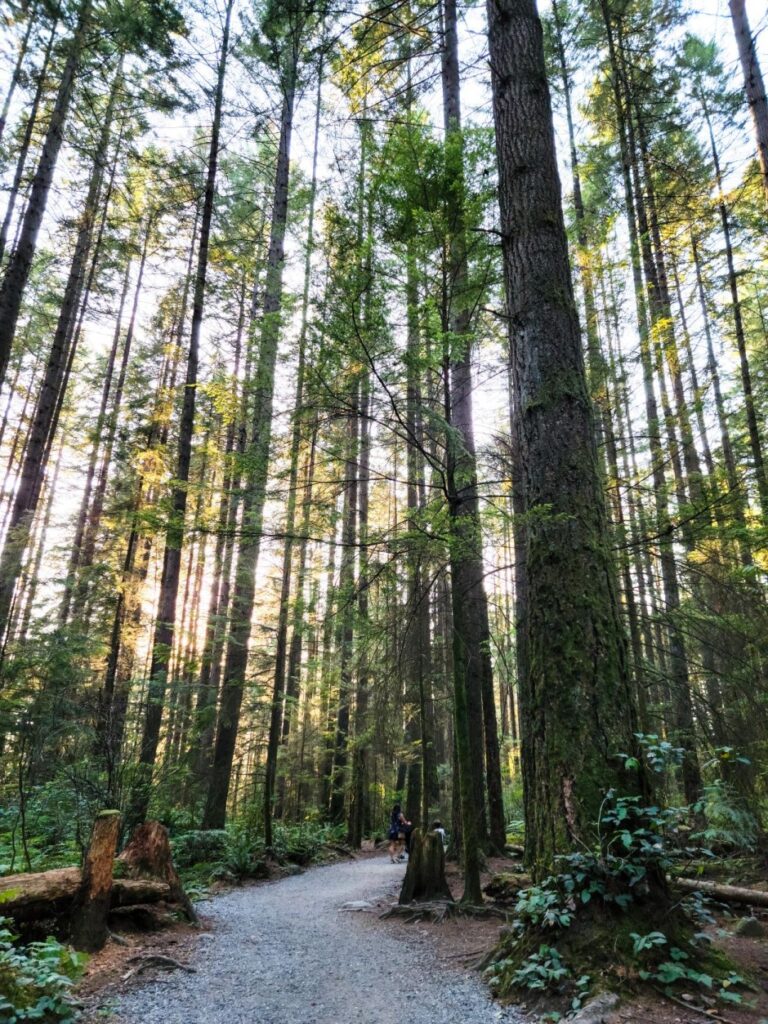
In the near future, Port Moody’s forests, wetlands and watercourses will not just be seen by the city as environmental areas in need of protection.
Instead, natural assets will be treated like other pieces of civic infrastructure, complete with financial values, inventories, and management of the services they provide.
“Traditionally, local governments, communities and industry have taken some of these services for granted,” said Jody Rechenmacher, a consultant with Urban Systems. “We need to start acknowledging these services . . . in our decision making.”
Local news that matters to you
No one covers the Tri-Cities like we do. But we need your help to keep our community journalism sustainable.
Urban Systems presented a draft of the Natural Asset Management (NAM) policy and strategy to the city on Feb. 20. Council unanimously voted to endorse both.
The policy and strategy have been in the works for over two years, and were completed through a working group involving all city departments, along with collaboration with SFU’s Action on Climate Team.
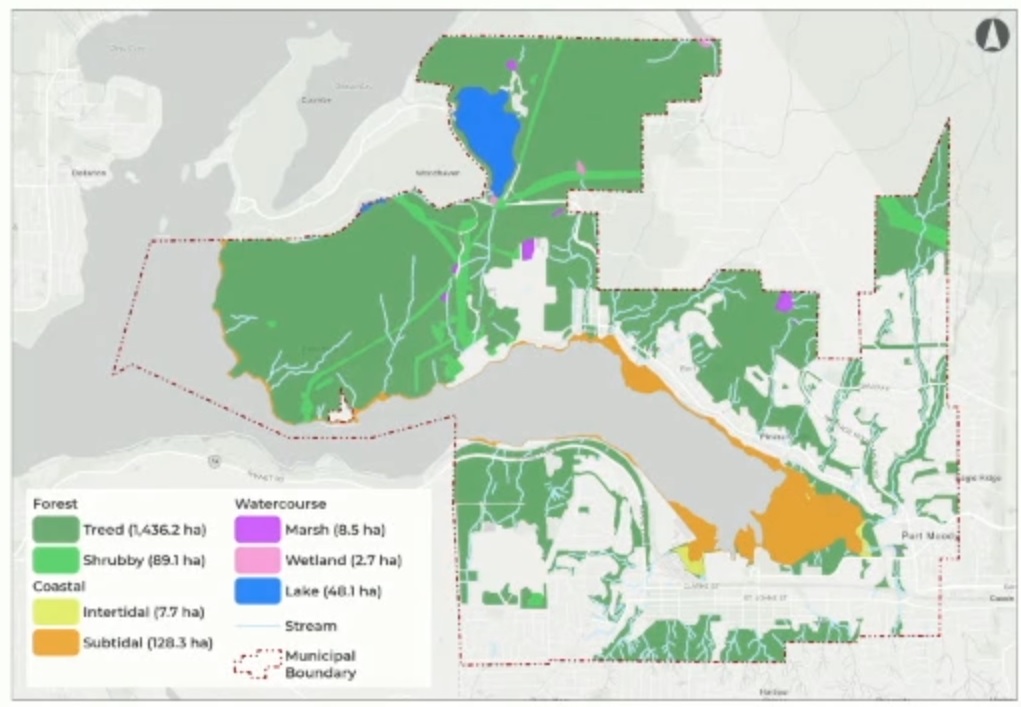
An inventory of Port Moody’s natural assets has been created, including trees and shrubs, open water, marshes, lakes and streams. Erosion prevention, carbon storage, rainwater runoff and control, and watercourse drainage were all cited as examples of what these natural assets provide.
Collectively, these services have been calculated to be worth approximately $377 million.
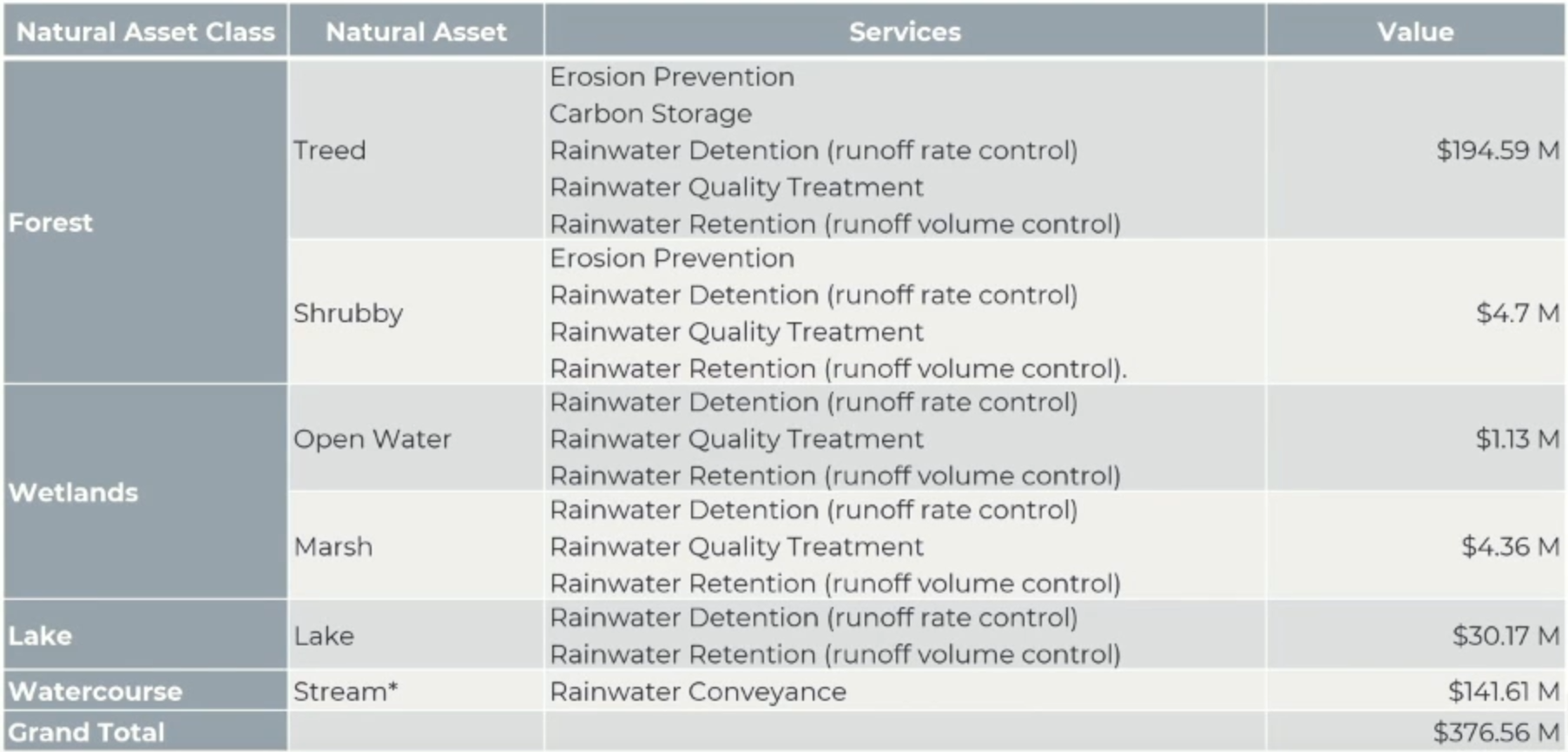
The intention of the NAM policy and strategy is to ensure that financial value is considered in terms of planning around land use, infrastructure, policy, and development.
Inclusion and implementation of the strategy should allow the city to better evaluate trade-offs between service, cost, and risk.
“We know there’s there’s challenges and competing priorities,” said Tyson Ganske, Port Moody’s deputy CFO. “We want to just bring natural assets into the fold as part of that discussion, and build general awareness around both the value and the services that they provide.”
Natural resources not only provide critical services to the community, city infrastructure often relies on these services to function properly, according to Rechenmacher.
While often managed separately as parks and natural areas, these natural assets are frequently undervalued with no dollar figure tied to their services.
The report states expensive engineered assets would need to be built as replacements if these natural assets were lost, coming with not only significant upfront construction costs, but also costs related to operations, maintenance, renewal and replacement.
Natural assets, on the other hand, are more cost effective and resilient and also often outperform human-made alternatives.
Asset management has historically only focused on engineered infrastructure, but a shift in municipal practices has occurred in recent years, according to the report.
It states that effective NAM practices have been shown to lower infrastructure costs, improve service, improve adaptation to climate change and reduce unfunded liabilities.
One of the biggest risks to continuation of services provided by these natural assets is future land development, along with climate change and associated extreme weather events, according to the report.
Coun. Amy Lubik noted that cities which have started implementing NAM practices have often changed how they consider certain developments.
For example, she said Maple Ridge decided not to develop a large swath of their marshland due to the amount of carbon sequestration it provided the city.
Rechenmacher said the strategy will apply the province’s asset management framework to Port Moody’s natural assets.
Planners primarily arrived at the $377 million valuation by calculating what it would cost the city to replace its natural asset services with engineered infrastructure.
Laura Bernier, another consultant with Urban Systems, said the replacement method attaches a financial component when a natural asset is considered for destruction.
“If a forest were to be redeveloped into land and housing, (it calculates) how much would be required from the city to replace that function (regarding) water storage or treatment,” Bernier said.
Even still, the “replacement method” still undervalues the natural asset’s services, as it does not take into account broader ecosystem complexities, nor the full life cycle costs of replacing engineered infrastructure.
Short term, medium term and long term goals have been set out in the NAM strategy, but staff said these priorities will need to be weighed against other city objectives such as its green infrastructure strategy, urban forest management strategy, and stormwater management plan.
Mayor Meghan Lahti and Lubik both said they would like staff to prioritize two medium-term items: identifying specific natural assets that are at risk of loss or damage, and integrating the natural assets into the development process.
“Climate change is really ramping up, and the impacts of climate change are being felt, with every changing season,” Lahti said. “I really hope that at least those two items get pushed up.”
Author