Looking for the key to gridlock: Brad West reflects on taking top job on TransLink Mayors’ Council
There could be some rapid changes coming to Port Coquitlam – but not necessarily rapid transit.
Port Coquitlam Mayor Brad West recently reflected on his election – by acclimation, again – to become the new chair of the TransLink Mayors’ Council.
While the job involves transit planning for the region, West added that Port Coquitlam “has been underserved by public transit.”
Local news that matters to you
No one covers the Tri-Cities like we do. But we need your help to keep our community journalism sustainable.
Discussing plans for Port Coquitlam, West explained that there’s a general idea to bring rapid transit to the city.
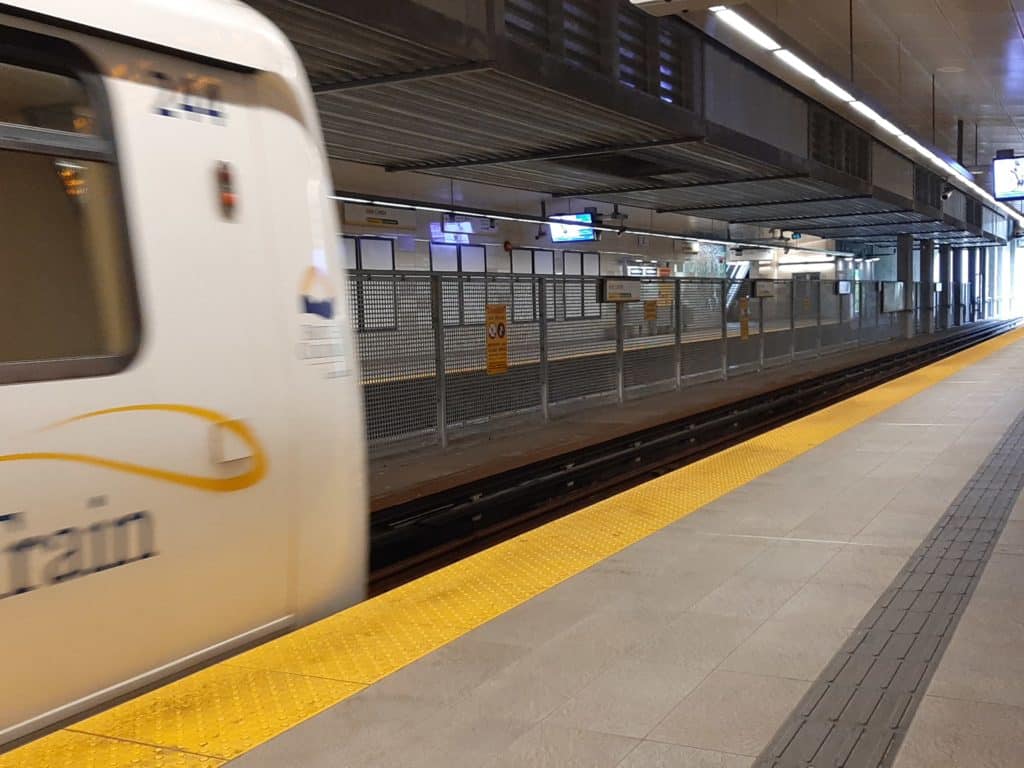
“It could mean SkyTrain,” West allowed, discussing a possible extension of the Evergreen Line to Port Coquitlam. However, before any firm decisions are made, there needs to be an “all-encompassing process” that examines, routes, technology and public engagement.
“I will be advocating to commence that process as early as possible to get the ball rolling,” West said. “I don’t believe we have a moment to lose in starting down that path.”
Besides doubling up on bus service levels, TransLink’s 10-year plan includes exploring “potential” SkyTrain extensions, including one in Port Coquitlam.
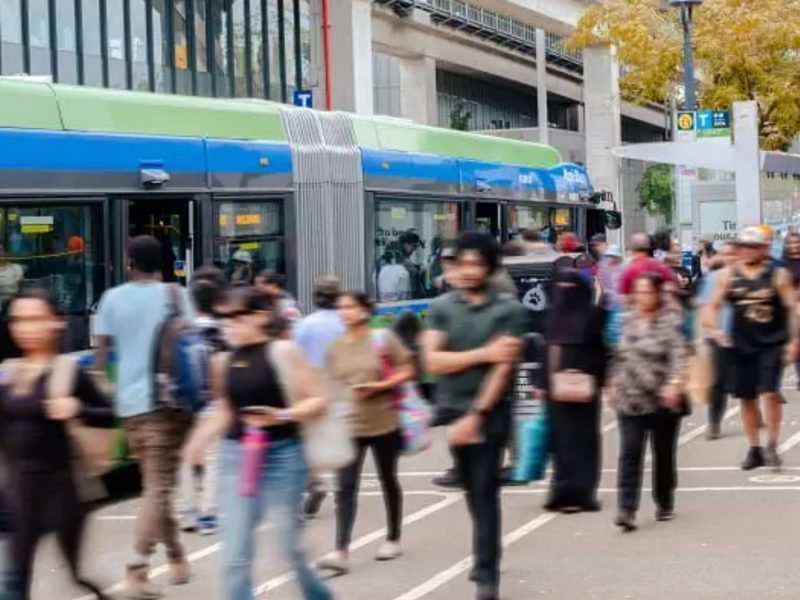
TransLink’s 2050 plan marks a “significant increase” in bus service in Port Coquitlam, adding some new routes and making other routes both more frequent and more direct.
“If we want people to view public transit as a realistic and viable alternative it needs to get them where they need to go quickly, efficiently, frequently and directly,” West said.
TransLink and property development
TransLink recently put out feelers to the development community to come up with a plan to create a new “significant neighbourhood” at the Coquitlam Centre park-and-ride lot located just east of Mariner Way and south of Barnet Highway.
The potential development is part of TransLink’s new focus on developing properties as way to fund transit improvements without relying on tax money.
The council has had some input on those development ideas, West said. Currently, an investment in SkyTrain or rapid transit leads to a spike in property values for whoever owns the site.
“The belief here is that if it’s the region’s taxpayers that are creating that value by investing their money to produce SkyTrain or rapid transit, that the region’s taxpayers should see some return on that investment,” West explained.
Besides capturing some of the newly-created wealth, the focus on development also allows TransLink to play a part in assuaging the region’s housing crisis.
“It also opens up the opportunity to do something that we absolutely need to do, which is ensure that there is a strong provision of below-market affordable rental housing in close proximity to rapid transit and frequent transit networks,” West said.
Public transit and the pandemic
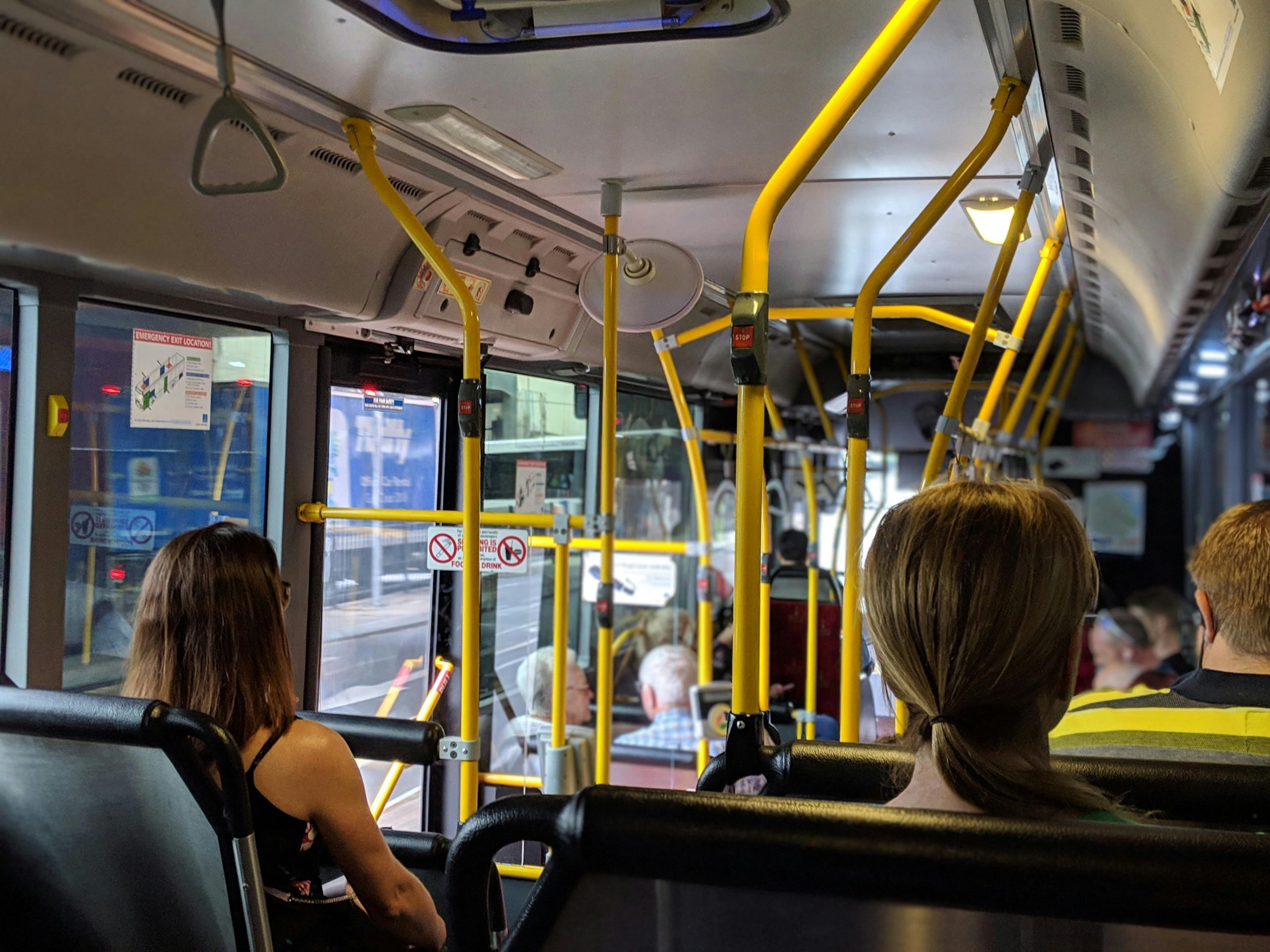
Two years ago, overall transit ridership fell down and stayed. Overall ridership dropped by 51 percent in 2020 and ticked up only slightly in 2021.
However, as of last May, bus ridership was at approximately 71 percent of pre-pandemic levels. For the month of September, ridership was at about 77 percent of pre-pandemic levels, according to TransLink CEO Kevin Quinn.
The rise can be attributed to fewer people working from home as well as high gas prices, according to a release Statistics Canada.
The road ahead
If the last four years were about developing the plan, the next four years are about putting the plan into action, according to West.
“The previous chair and mayors’ council spent an awful lot of time putting together the plan,” he said. “With that plan now in place we shift gears toward the implementation phase.”
In part, that means engaging with the provincial and federal governments to get enough money to support the plan, West explained.
As Metro Vancouver continues to grow, transportation improvements are “desperately needed,” West said.
“The stakes are quite significant, and that’s the case that I’ll be making to the provincial and federal government.”
Author